

 English
 français
 Deutsch
 español
 العربية
 中文
中文
Case Study Implementing AHF in Energy Industry
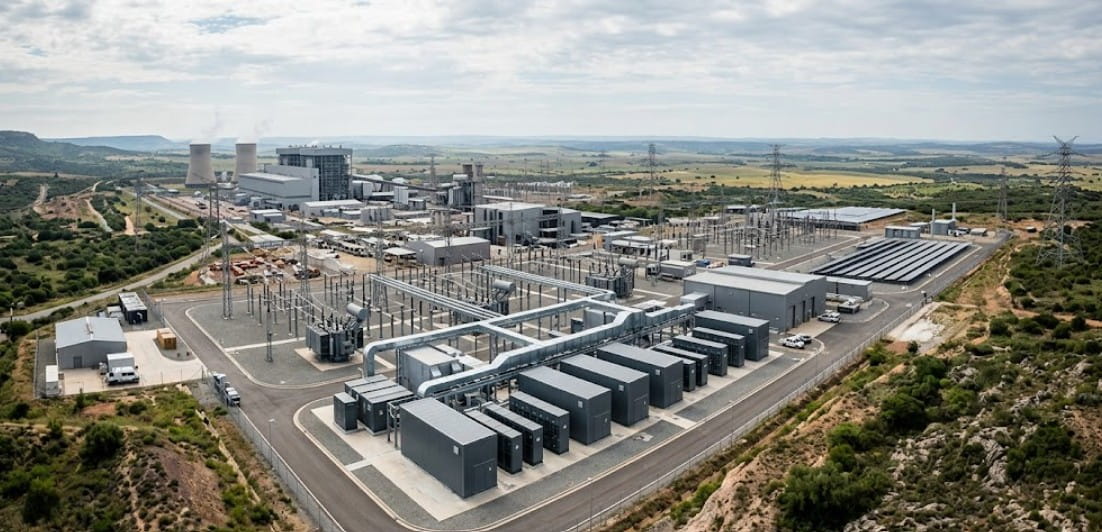
The energy sector relies heavily on power electronics to maintain operational efficiency and control. However, the widespread use of non-linear loads, such as large variable frequency drives and rectifiers, creates significant electrical noise. This noise, known as harmonic distortion, can lead to catastrophic equipment failure and expensive downtime. Implementing an Active Harmonic Filter (AHF) is a proven method to mitigate these risks and stabilize the electrical environment.
The Problem: Power Quality Degradation
A mid-sized oil and gas processing plant recently experienced recurring issues with its distribution network. The facility operated several high-capacity centrifugal pumps driven by sophisticated motor controllers. While these controllers offered precise flow regulation, they injected substantial harmonic currents back into the local grid.
Technicians observed that the Total Harmonic Distortion (THDi) frequently exceeded 30% during peak production hours. This distortion caused the plant's main transformers to run at dangerously high temperatures. Furthermore, sensitive control systems suffered from intermittent synchronization errors, leading to unexpected plant shutdowns and lost revenue.
The Solution: Active Harmonic Filter Deployment
To resolve these issues, the plant engineers opted for a centralized Active Harmonic Filter solution. Unlike traditional capacitor banks, an AHF functions as a controlled current source. It utilizes high-speed insulated-gate bipolar transistors (IGBTs) to generate a compensation current. This current is injected into the line to perfectly mirror and cancel the unwanted harmonic components.
The following table details the technical parameters of the selected AHF unit:
| Technical Feature | Specification Value |
| Rated Current | 300 Amperes (Modular) |
| Voltage Range | 380V to 415V AC |
| Harmonic Cancellation | 2nd to 50th Order |
| Switching Frequency | 20 kHz |
| Response Speed | Less than 100 Microseconds |
| Control Logic | Digital Signal Processing (DSP) |
Implementation and Quantitative Results
The installation was performed at the main distribution board to provide maximum coverage for all downstream loads. The AHF was configured to prioritize the 5th, 7th, and 11th harmonics, which accounted for the bulk of the distortion. Upon activation, the device immediately began correcting the current waveform in real-time.
The impact on the system’s Power Quality was measured using a high-precision analyzer. The results indicated a significant improvement in both current stability and thermal performance of the infrastructure.
| Parameter Measured | Before AHF | After AHF |
| Total Harmonic Distortion (THDi) | 32.5% | 3.8% |
| Total Harmonic Distortion (THDv) | 7.2% | 2.1% |
| Transformer Surface Temp | 92°C | 74°C |
| Current Imbalance | 8.0% | 1.5% |
Economic and Operational Impact
The reduction in harmonic levels had an immediate positive effect on the facility's bottom line. By lowering the operating temperature of the transformers, the plant extended the expected lifespan of its most expensive assets. The elimination of nuisance tripping on the protection relays also increased the overall plant availability.
Furthermore, the facility achieved full compliance with the strict harmonic limits set by the local utility provider. This allowed the company to avoid heavy non-compliance penalties and power factor surcharges. The modular nature of the Active Harmonic Filter also provides the flexibility to scale the system as the plant expands.
Conclusion: A Strategic Technical Investment
This case study demonstrates that addressing Power Quality is not just a maintenance task but a strategic necessity. The deployment of an AHF provides a dynamic, robust solution for the complex electrical environments found in the energy industry. It ensures that modern power electronics can coexist with sensitive control systems without compromising reliability.



 IPv6 network supported