
 English
 français
 Deutsch
 español
 العربية
 中文
中文
Why Data Centers Need Advanced Active Power Filters
The rapid expansion of Artificial Intelligence (AI) and Machine Learning (ML) is transforming the global economy. However, this revolution comes with a massive appetite for electricity. Modern AI data centers are no longer just server rooms; they are high-density power hubs that push the limits of electrical infrastructure.
As GPU clusters grow more powerful, they introduce complex power quality challenges. Specifically, the massive use of switching power supplies and Uninterruptible Power Supply (UPS) systems generates significant harmonic pollution. Without proper management, this pollution can lead to system failures, reduced efficiency, and shortened hardware lifespan.
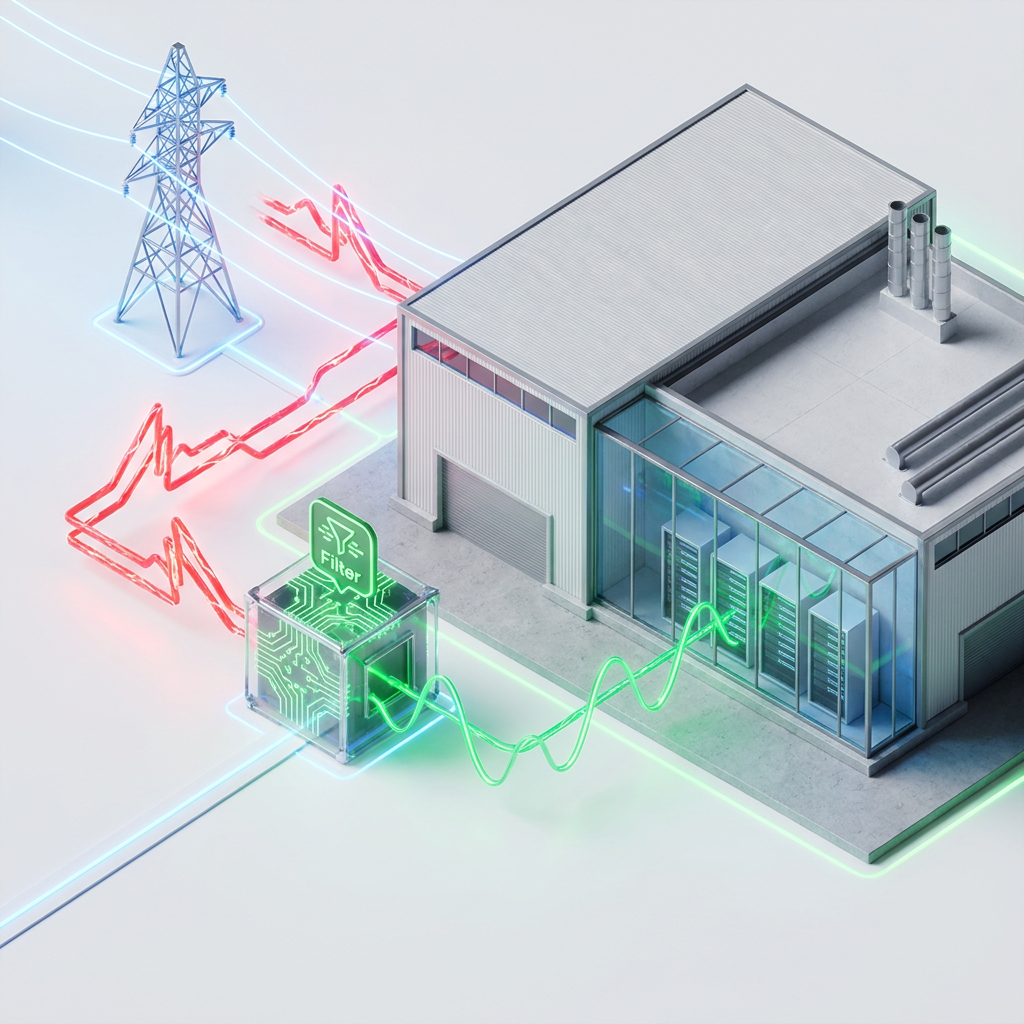
Figure 1: High-density AI infrastructure requires ultra-stable power delivery.
AI servers rely on high-performance power supply units (PSUs). While these units are efficient at converting AC to DC, they are non-linear loads. Non-linear loads draw current in sharp pulses rather than smooth sine waves. These pulses create harmonic currents—electrical 'noise' that distorts the entire power system.
In a large data center, thousands of these servers working together can cause Total Harmonic Distortion (THD) to skyrocket. High THD levels lead to:
• Voltage Sags and Swells: Sudden changes in power levels that can crash sensitive GPU clusters.
• Transformer Overheating: Harmonics cause eddy current losses, leading to excessive heat and potential fire risks.
• Neutral Wire Overload: Triple harmonics (3rd, 9th, 15th) add up in the neutral wire, risking insulation failure.
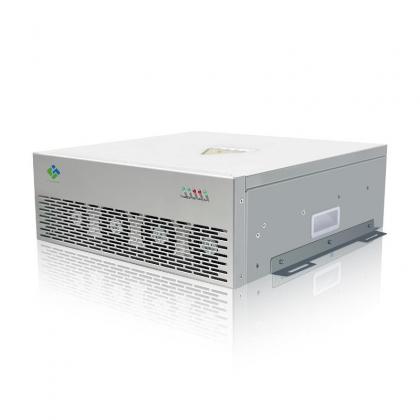
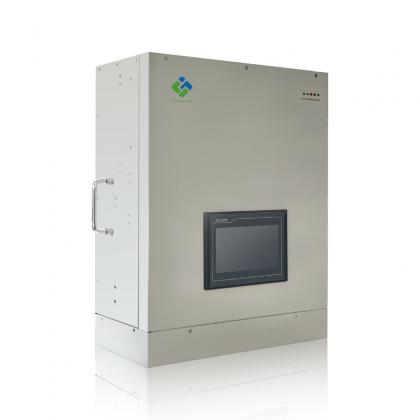
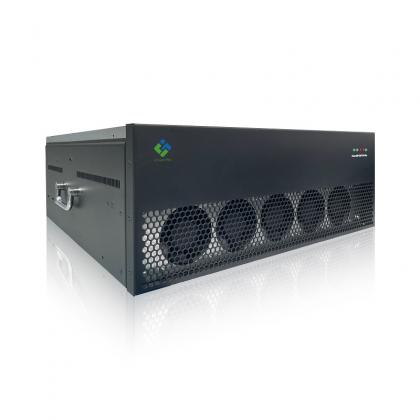
Traditional passive filters are ineffective in dynamic AI environments. AI workloads are highly variable; a GPU cluster might jump from idle to full load in milliseconds. Only an Active Power Filter (APF) can provide the necessary speed and precision.
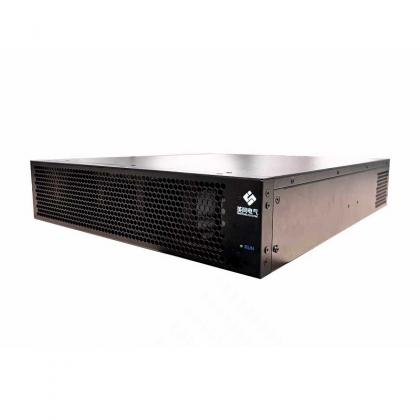
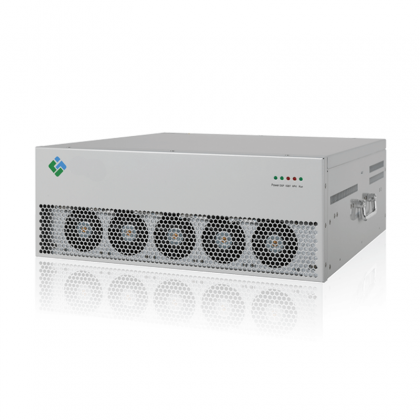
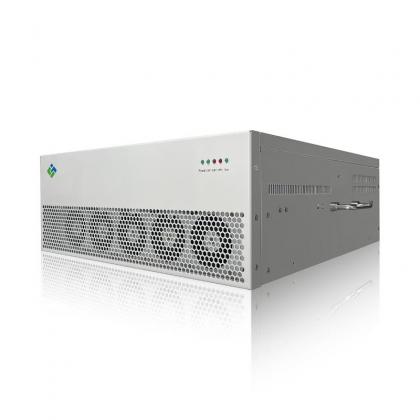
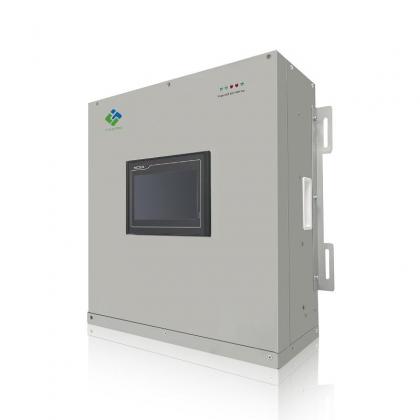
An APF acts as a real-time stabilizer. It uses high-speed Digital Signal Processors (DSPs) to detect harmonic components and injects an equal and opposite current to cancel them out. This process ensures that the grid 'sees' a perfect, clean sine wave at all times.
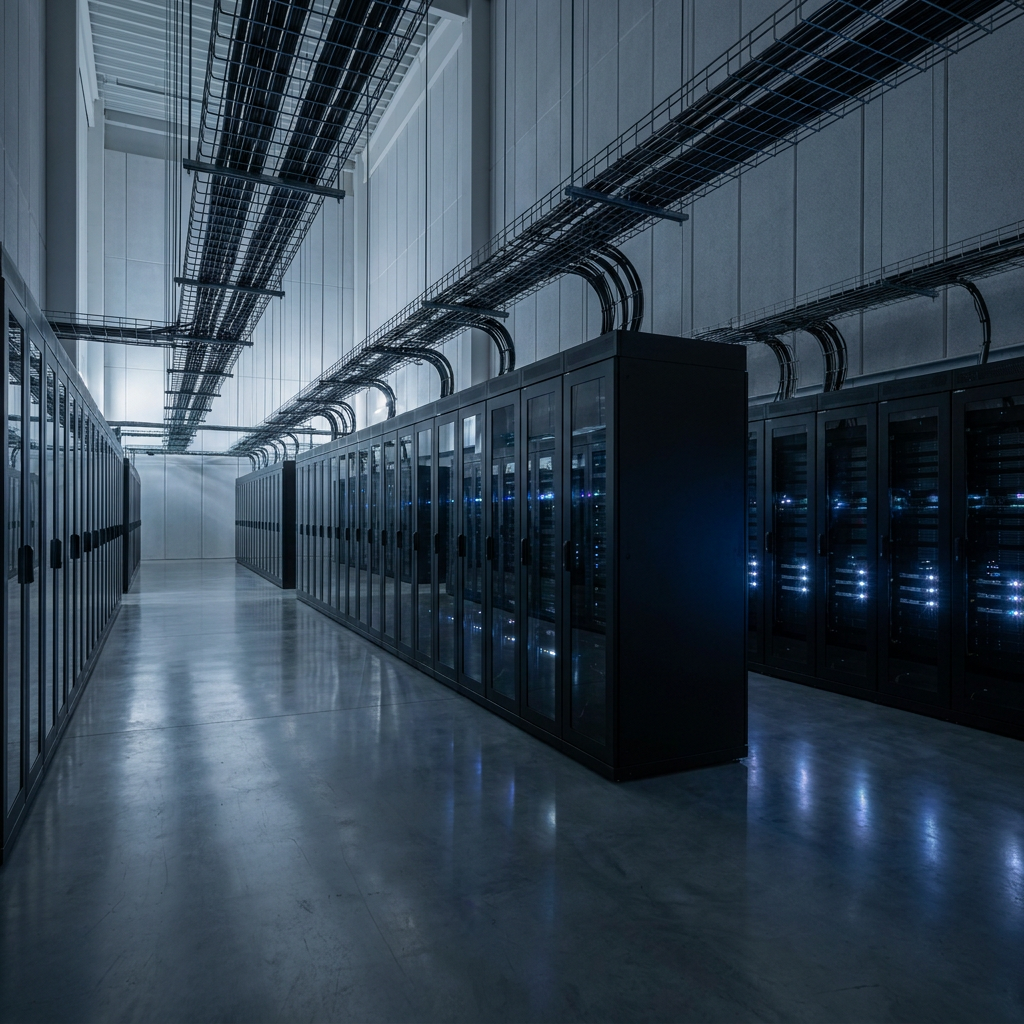
Efficiency is the primary metric for data center success. Power Usage Effectiveness (PUE) measures how much power actually reaches the servers versus how much is wasted in cooling and infrastructure. Harmonics are a major cause of energy waste.
By eliminating harmonic currents, an APF reduces line losses (I²R losses) and improves the power factor. This means less energy is wasted as heat in the distribution system. In a facility consuming megawatts of power, a 2-3% improvement in distribution efficiency translates to hundreds of thousands of dollars in annual energy savings.
The next generation of APFs is moving toward three-level inverter topologies and Silicon Carbide (SiC) semiconductors. These technologies allow for higher switching frequencies (up to 20-30 kHz) and lower switching losses.
For an AI data center, this means:
• Wider Bandwidth: The ability to cancel out high-order harmonics (up to the 50th order) generated by modern high-frequency PSUs.
• Higher Power Density: More compensation capacity in a smaller footprint, saving valuable rack space for servers.
• Enhanced Reliability: Reduced thermal stress on components ensures a longer service life in 24/7 mission-critical environments.
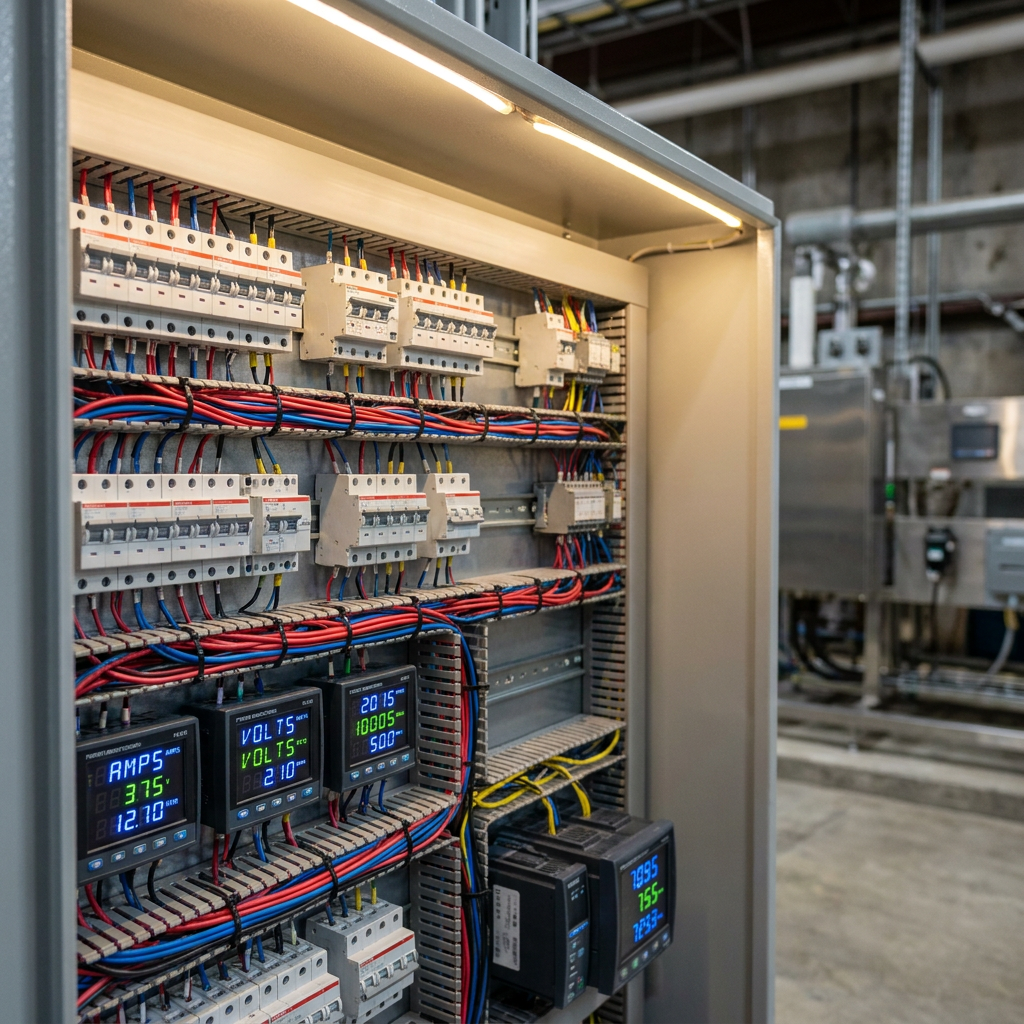
As AI hardware continues to evolve, the complexity of power systems will only increase. Regulatory bodies and utility companies are also tightening their grip on harmonic limits (IEEE 519-2022). Data center operators who ignore power quality today will face expensive retrofit costs and potential grid instability tomorrow.
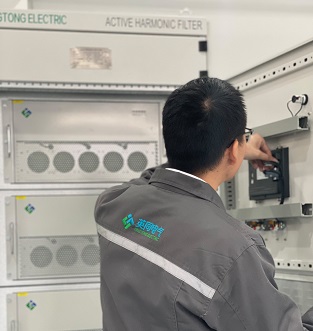
Implementing an Active Power Filter is not just a technical fix; it is a strategic investment in infrastructure resilience. It protects multi-million dollar GPU clusters, lowers operational costs, and ensures compliance with global green energy standards.
The AI era demands a new standard of electrical stability. Active Power Filters provide the real-time, dynamic compensation required to keep modern data centers running at peak performance. By cleaning the power grid from the inside out, APF technology serves as the invisible backbone of the digital future.
Ensure your infrastructure is ready for the next wave of computing. Choose precision, choose efficiency, and secure your power with advanced APF solutions.



 IPv6 network supported