
 English
 français
 Deutsch
 español
 العربية
 中文
中文

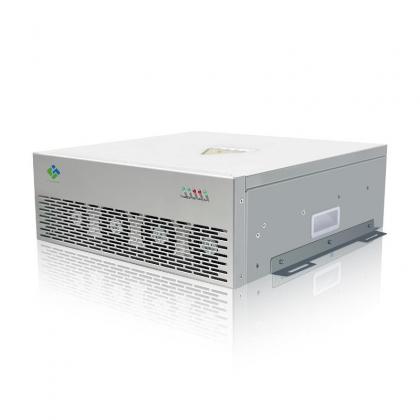
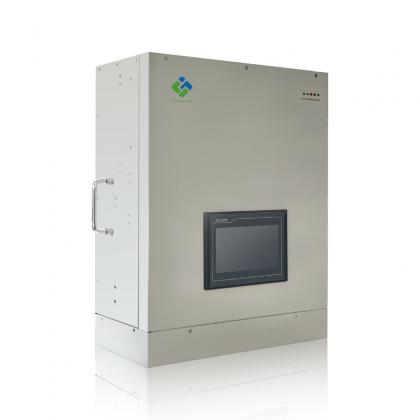
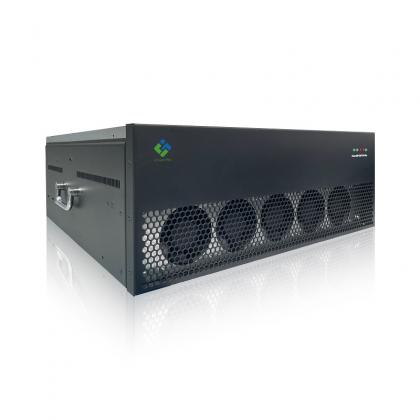
Modern electrical systems are becoming smarter and more complex. As engineering students, you know that power quality is vital for a stable grid. One major challenge is harmonic distortion. This creates power quality issues that can harm equipment. Traditional methods to detect these harmonics often struggle with fast changes. This is where Deep Learning and Artificial Intelligence (AI) come into play. By using advanced algorithms, we can now detect non-stationary harmonics in real-time. This technology is revolutionizing how an Active Power Filter (APF) operates. It helps to improve power delivery and mitigates harmonic problems.
In a perfect world, the electrical grid would provide a clean sine wave. However, our modern world uses many nonlinear loads. Devices like variable speed drives (VSDs), electric vehicle (EV) chargers, and renewable energy inverters change how power flows. These devices create harmonic currents. These currents are multiples of the fundamental frequency. They introduce order harmonic components into the system.
Sometimes, these harmonics are "stationary." This means they stay the same over time. But often, they are "non-stationary." They change rapidly based on the load. For example, when a large factory machine starts or stops, the harmonics shift in a split second. Traditional detection methods, like the Fast Fourier Transform (FFT), are too slow for these changes. They cannot provide the dynamic response needed for modern harmonic mitigation. This leads to increased energy losses and reduced system efficiency.
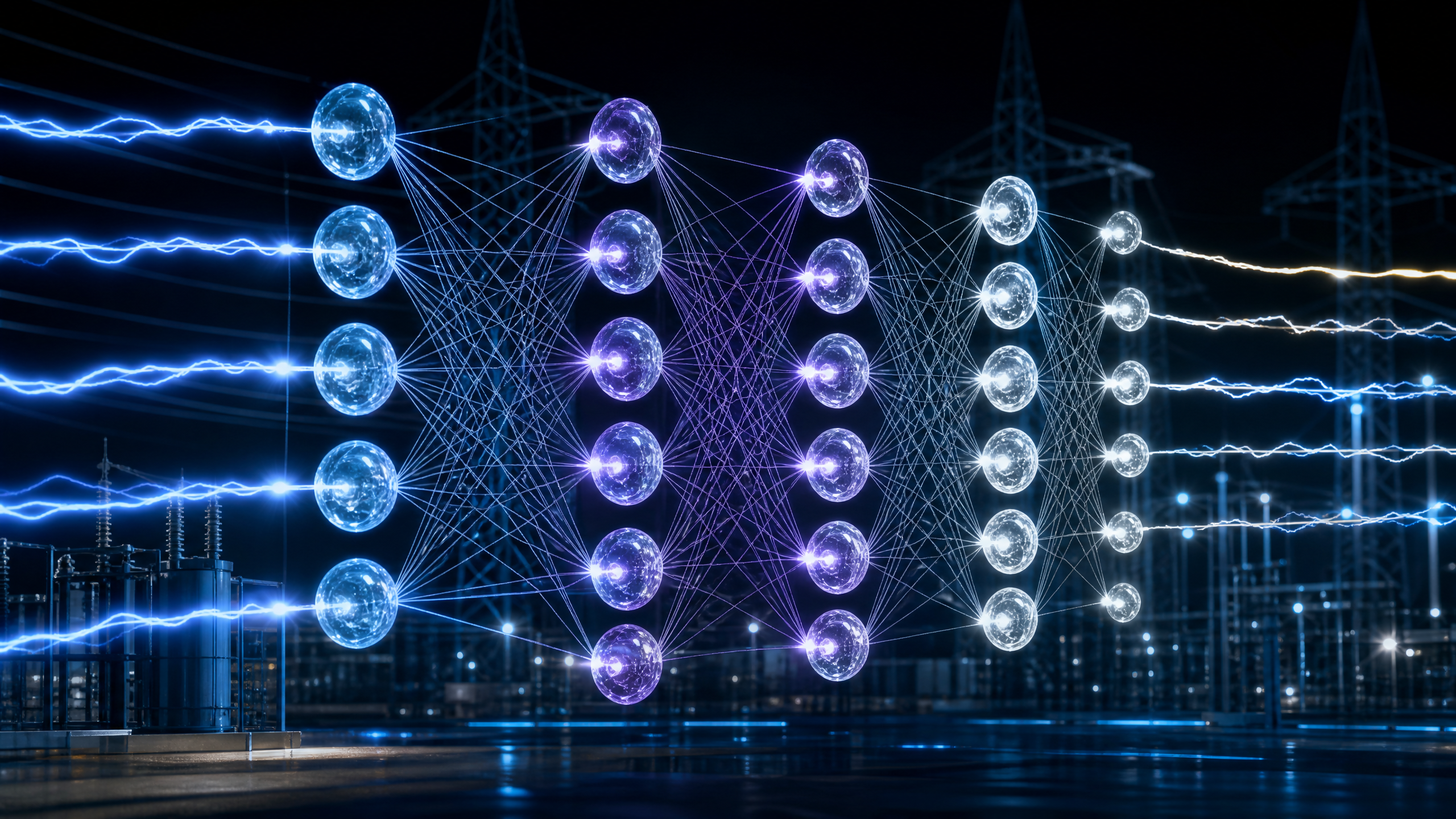
Deep Learning is a branch of machine learning. It uses neural networks to find patterns in data. In power electronics, we can train these networks to recognize harmonic patterns. Unlike traditional math-based methods, a trained AI can process information almost instantly. This allows the Active Power Filter to react to changes as they happen. It effectively eliminates harmonic content.
Engineers use several types of networks for harmonic detection:
1.Convolutional Neural Networks (CNNs): These are great at finding patterns in signal waveforms. They can filter out noise and identify specific harmonic orders.
2.Recurrent Neural Networks (RNNs): These are designed for time-series data. They can "remember" past signals to predict future harmonic changes.
3.Long Short-Term Memory (LSTM): This is a special type of RNN. It is very effective at handling long sequences of electrical data without losing accuracy.
By using these architectures, the APF control system becomes much more intelligent. It can distinguish between a temporary power surge and a permanent harmonic issue. This prevents false triggers and improves system reliability. It also helps to improve power delivery by maintaining a high power factor.
To use AI in an Active Power Filter, we need powerful hardware. Engineers often use Digital Signal Processors (DSPs) or Field Programmable Gate Arrays (FPGAs). These chips can run the AI model at very high speeds.
The process works in three main steps. First, sensors collect data from the electrical grid. Second, the AI model analyzes the data to identify current harmonics. Third, the control algorithm generates a compensation current. This current is injected back into the grid to cancel out the distortion. The result is a clean power supply that meets strict grid code standards like IEEE 519. This approach effectively mitigates harmonic distortion and improves overall power quality.
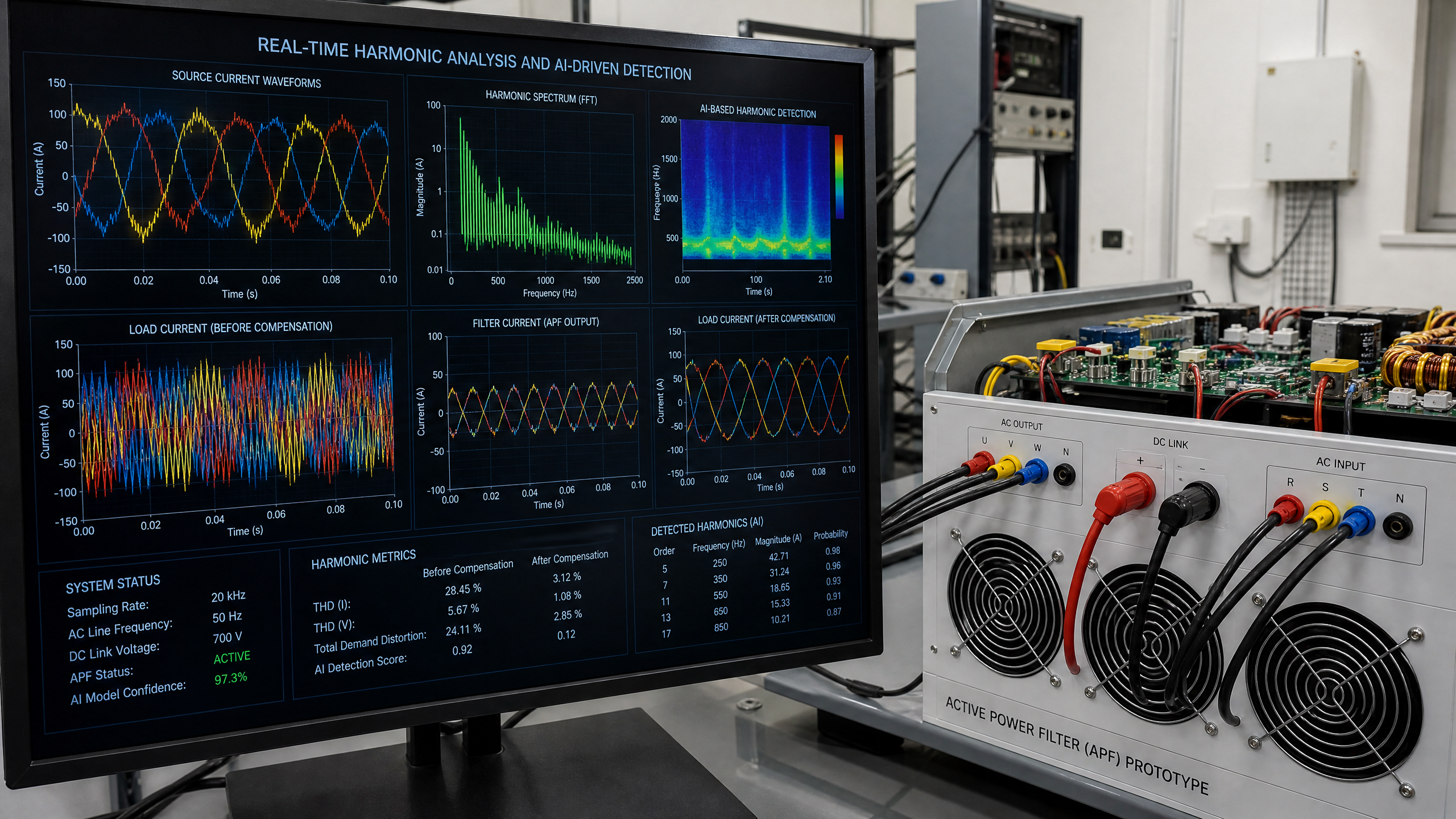
Using Deep Learning for harmonic detection offers many advantages. Here are the most important ones for your future engineering projects:
The integration of AI and power electronics is just beginning. As we move toward carbon neutrality, our reliance on sustainable energy will grow. Solar and wind power need advanced power quality solutions. Deep Learning will be at the heart of these systems. It will help to improve power delivery and reduce energy losses.
For students, this is an exciting time. Mastering both electrical engineering and data science will make you a leader in the industry. You will design the intelligent APFs of the future. These devices will ensure that our global power system design remains efficient and reliable for everyone. They will effectively mitigates harmonic problems across all electrical systems.



 IPv6 network supported