
 English
 français
 Deutsch
 español
 العربية
 中文
中文

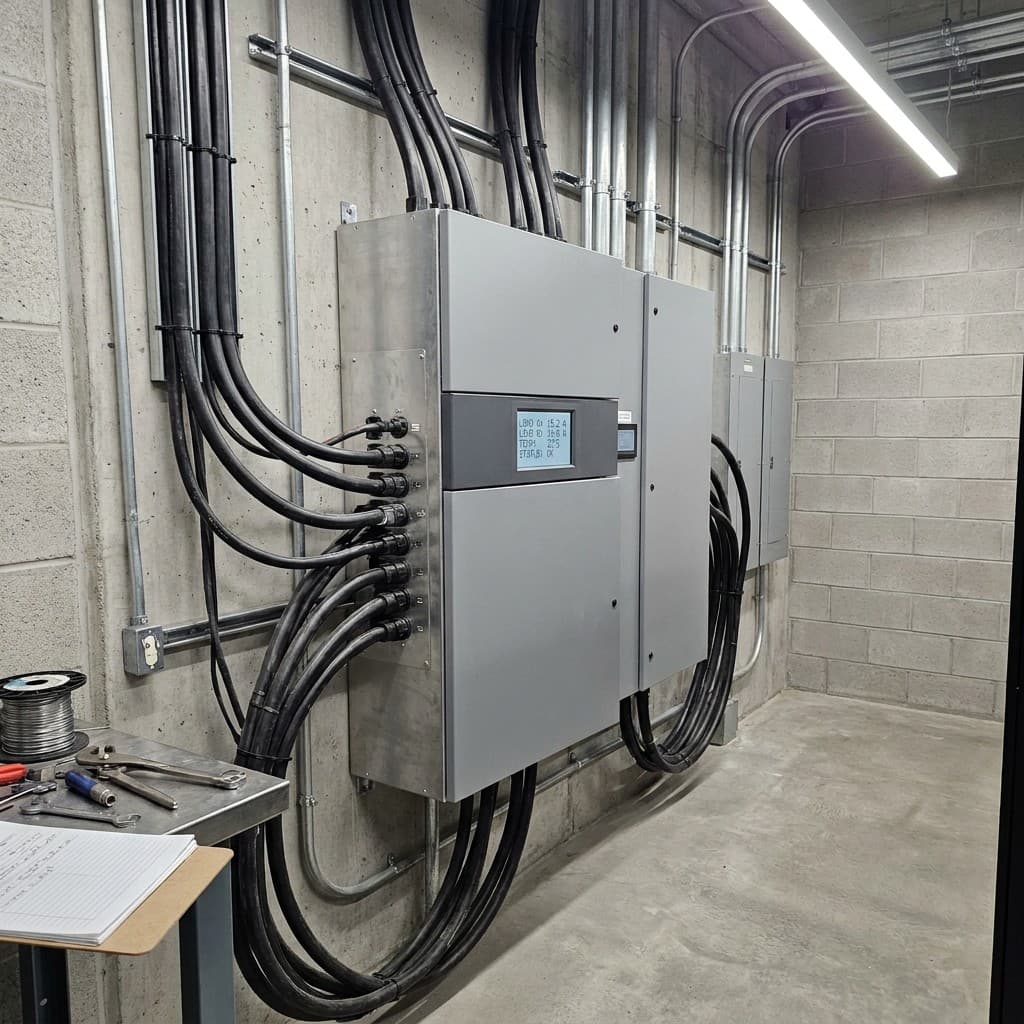
A stable power system is the backbone of every data center. Even a tiny glitch can cause massive data loss. Today, data centers face a new threat from within. This threat is poor power quality. It comes from the very equipment we use. An active power filter is now the primary tool for harmonic mitigation. It ensures that your facility stays online 24/7. Why Data Centers Have Poor Power Quality Modern servers use advanced power supplies. These are called non-linear loads. They are great for energy efficiency. However, they create a problem called harmonics distortion. This distortion creates noise in your electrical systems. High levels of noise cause equipment to overheat. They can also confuse sensitive electronics. This is why you need a reliable harmonic filter. Without one, your uptime is always at risk. How an Active Power Filter Works An active power filter is a smart solution. It uses high-speed power electronics to clean the grid. The device monitors the current in real time. It looks for any sign of harmonics distortion. When it finds noise, it acts immediately. It injects a "correction current." This current eliminates harmonic interference instantly. It is much more effective than a passive harmonic filter. The Advantage of Active Power Filters APF Many facilities still use old tech. They use passive filters. But these filters are not dynamic. They only target specific harmonic frequencies. If your load changes, they fail. Active power filters apf are different. They adapt to your needs. They can handle many harmonic frequencies at the same time. This makes them a very cost effective choice. They provide better protection with less hardware. Improving Your Power Factor Data centers often suffer from a poor power factor. This is usually caused by reactive power. When your power factor is low, you waste energy. You might also pay fines to the utility company. An active harmonic filters system can fix this. It compensates for reactive power automatically. This helps to improve power factor levels. A better power factor means a more efficient power system. It also saves you money every month. Managing Cooling and Variable Speed Drives Every data center needs a cooling system. These systems use variable speed drives. Sometimes they are called variable frequency drives. These drives are useful for saving energy. However, variable speed drives create a lot of noise. This noise can travel to your server racks. By using an active power filter, you block this noise. The power filter keeps the cooling noise away from your sensitive data. Solving the Problem of Voltage Harmonics We usually worry about current. But voltage harmonics are just as bad. They can distort the power wave. This causes ...
View More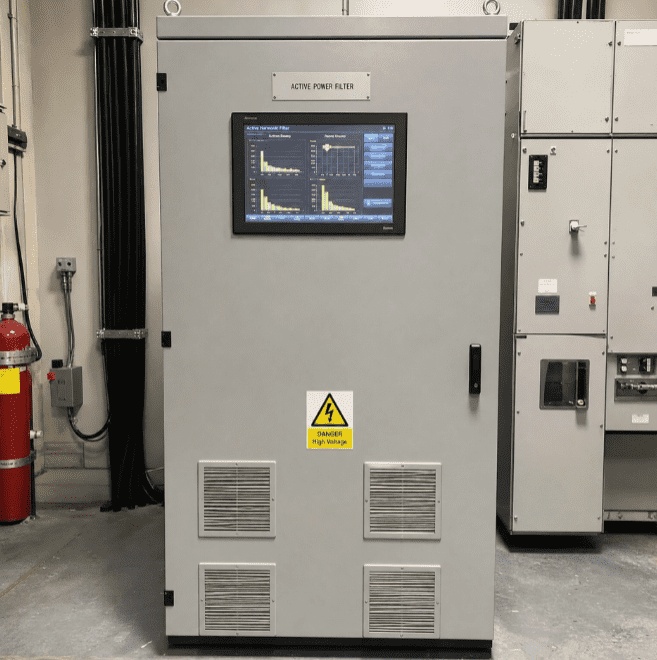
Most manufacturing factories rely on inverters and automated machines. These nonlinear loads generate large amounts of harmonics and damage the whole power system. Poor power quality lowers power factor, overheats cables and causes unexpected equipment shutdowns. Many factory owners choose the active power filter APF to order harmonic pollution and mitigate harmonic-related failures effectively. Common Power Quality Issues in Factories Harmonic problems are very common in industrial production workshops. Without effective filtering equipment, the entire power distribution line will face multiple hidden dangers. Excessive harmonics reduce the overall power factor of the power system Distorted current leads to transformer overheating and serious electric energy waste Unstable power supply triggers frequent circuit tripping and delays production Long-term harmonic interference shortens the service life of precision automation devices Project Overview (Real APF Application Case) This case focuses on a medium-sized metal processing factory located in East China. The factory covers 8,000 square meters and mainly uses punching machines, welding machines and variable-frequency drives. All production devices work under a 400V low-voltage power system. In the early stage, the factory suffered from severe harmonic pollution. The average power factor dropped to 0.82, far below the national standard value. The factory also received extra electricity penalty fees every month. The management finally decided to install an APF active power filter to solve all power quality problems. Original Problems Before APF Installation The factory’s technical team tested the internal grid and summarized three core problems. These issues directly restricted daily production and increased operating costs. 1. Severe Harmonic Distortion A large number of 3rd, 5th and 7th-order harmonics appeared in the power system. The total harmonic distortion rate exceeded 18%. Passive filter devices the factory used before could not mitigate harmonic fluctuations. 2. Low Power Factor Disordered reactive power and harmonics dragged down the power factor. The unstable data forced the factory to pay additional fines to the power supply bureau every month. 3. Frequent Equipment Failures Harmonic heat accumulation burned internal components of servo motors. The maintenance team spent extra time and money on repairing broken devices every week. APF Solution & Installation Plan According to on-site load data and harmonic distribution, the supplier customized a targeted APF solution for this metal processing plant. Device Selection: The factory adopted three-phase low-voltage APF active power filter with 200A compensation capacity Installation Position: Workers installed the APF device inside the main power distribution cabinet of the production workshop Working Mode: Set the APF to full-automatic mode. The device can detect grid conditions and adjust com...
View More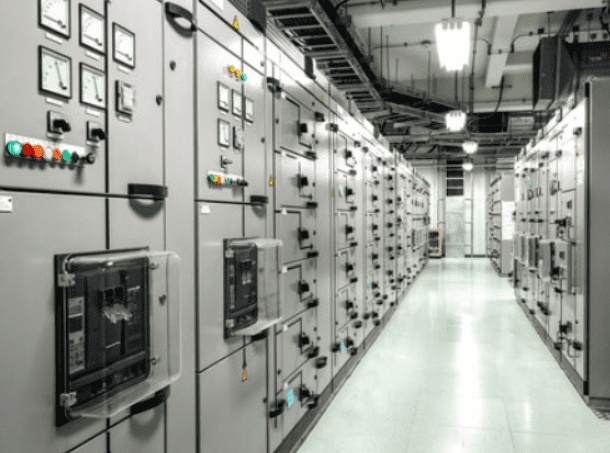
Introduction to Electrical Energy We depend on electric energy for our modern lives. Modern power systems transport this invisible energy everywhere safely. Engineers build these massive electrical networks carefully today. Old machines used this electricity in a simple way. Professionals call these basic machines linear loads. A classic light bulb demonstrates this basic idea perfectly. The Rise of Modern Technology Our modern society invents new technology at an amazing speed. People operate countless new electronic devices in their daily routines. Laptops and mobile smartphones represent common examples of this group. These modern tools process electrical power in a different way. They pull electricity from the wall in rapid, sudden pulses. Engineers classify these modern tools as complex nonlinear loads. Modern power supplies exhibit this rapid pulse behavior. They charge our device batteries with extreme speed and efficiency. However, they introduce severe technical risks. The Problem of Industrial Distortion These sudden electrical pulses ruin the perfectly smooth power wave. Scientists call this specific destructive problem harmonic distortion. Plant managers know that huge machines typically generate bad waves. Heavy industrial factories cause the most significant electrical trouble today. Factories run enormous electric motors steadily to manufacture our goods. Engineers install variable speed drives to control these massive motors. These motor drives alter the natural electrical power flow mechanically. This mechanical alteration produces extremely dirty and chaotic electrical waves. The dirty electrical waves travel rapidly across the factory floor. The Cost of Dirty Electricity This fast movement creates dangerous voltage harmonics inside the copper cables. The local public utility grid weakens significantly over time. This continuous grid weakness causes severe voltage distortion in every building. The main utility company cannot deliver clean electricity to anyone anymore. The electricity becomes completely unsafe for standard daily home use. All connected electrical systems experience immediate and severe physical damage. The bad electrical waves generate extreme and highly dangerous internal heat. Copper wires and main facility transformers become incredibly hot quickly. This extreme heat wastes valuable electricity every single operating minute. Introducing the Active Filter Factory owners pay enormous utility bills for this increased energy on bad power quality. Large global manufacturing companies lose massive amounts of money every month. The intense heat also destroys highly sensitive digital manufacturing machines. Factory managers report a massive daily volume of damaged equipment. Purchasing brand new replacement factory machines costs millions of corporate dollars. Facility managers attempt to protect their central computer servers first. They purchase an continuous power supply f...
View More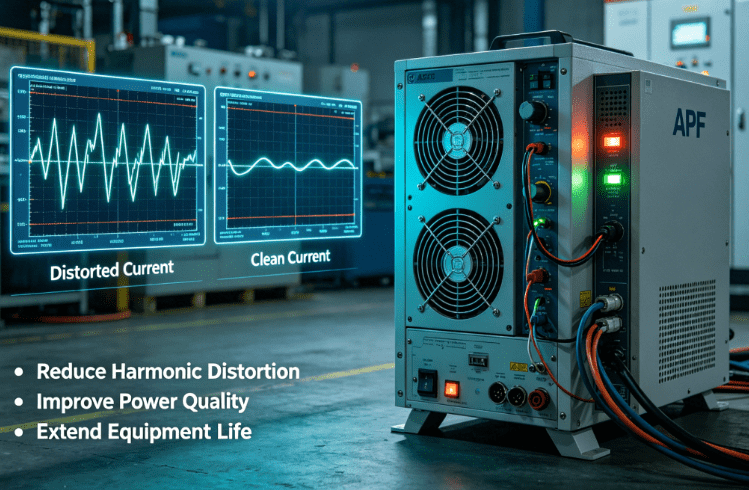
Taming VFD Harmonics in Automated Sorting Systems In the era of e-commerce, logistics centers have become the beating heart of global trade. Speed and reliability are the only metrics that matter. To handle thousands of parcels per hour, these facilities use automated sorting systems, long conveyor belts, and fast elevators. Thousands of Variable Frequency Drives (VFDs) power this equipment. While VFDs enable the agility required for modern logistics, they also inject significant harmonic distortion into the warehouse electrical system. The "Silent Killer" of Logistics Automation Harmonic distortion in a logistics hub is often a "silent killer." It doesn’t always cause immediate failure, but it degrades power system reliability over time. Because logistics centers often use many small VFDs across miles of conveyor lines, their nonlinear loads add. This can cause major power quality issues at the point of common coupling (PCC) of the main transformer. It may require solutions to reduce harmonics. The Nuisance Tripping Nightmare One of the most frustrating issues for maintenance managers is "nuisance tripping." This happens when circuit breakers or residual current devices (RCDs) trip for no apparent reason. Often, the culprit is individual harmonic current, which contributes to the overall harmonic content. These unwanted frequencies, often characterized by specific harmonic orders, create peaks in the current waveform. They confuse protective relays and can trigger sudden shutdowns. Entire sorting lines may stop during peak hours. AHF: The Smart Solution for Smart Warehousing Active Harmonic Filters (AHF) are a type of active filter. They respond fast to rapidly changing nonlinear loads in logistics centers. As sorting lines start and stop each day, the AHF adjusts compensation in real time to keep the power system stable. • Eliminating Nuisance Tripping: By smoothing the current waveform, AHFs reduce harmonics and cut electrical noise. This helps prevent false alarms and breaker trips. • Optimizing Energy Usage: Automated warehouses are massive energy consumers. AHFs improve power factor through correction. They help the facility draw only the power it needs from the utility. They also manage reactive power. • Reducing Maintenance Costs: Lower harmonic content means less heat in transformers and cables. This cuts fire risk and reduces how often parts need replacement. • Scalability for Future Growth: As you add more automated lanes and AGVs, the electrical system needs to be robust. AHFs provide the "power headroom" needed for facility expansion, ensuring continued power quality. Case Study: The 24/7 Logistics Hub A regional distribution center struggled with occasional PLC system failures. The PLC systems controlled the parcel sorting sequence. The issue was traced back to highactive harmonic levels from the hundreds of conveyor motors. After we installed a centrali...
View More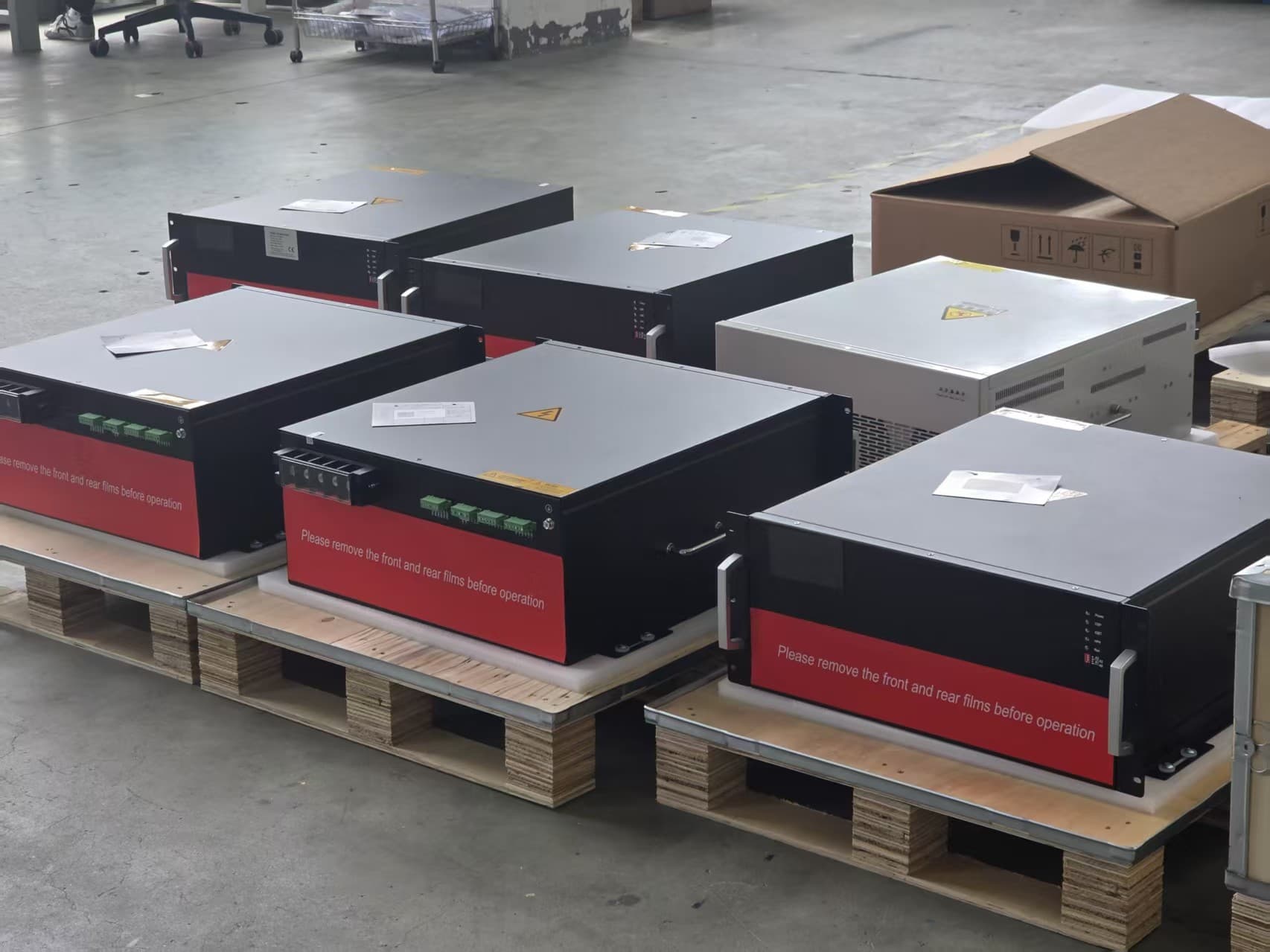
How Active Power Filters (APF) Protect Smart Factories The Fourth Industrial Revolution, or Industry 4.0, is transforming the way products are made. Factories are becoming 'smart,' utilizing high-precision robotics, automated assembly lines, and real-time data analytics. But this high-tech machinery has a weakness: it is extremely sensitive to power quality. In a modern automated factory, even a tiny electrical glitch can cause a massive production halt. The leading cause of these glitches is harmonic distortion. To maintain the precision and reliability demanded by Industry 4.0, manufacturers are increasingly relying on Active Power Filters (APF). Figure 1: High-precision robotics require ultra-clean power to maintain accuracy. The Hidden Threat to Automated Lines Industry 4.0 relies on hundreds of Variable Frequency Drives (VFDs), servo motors, and switching power supplies. While these devices provide incredible control and efficiency, they are non-linear loads. As we've discussed before, non-linear loads create 'noise' in the form of harmonic currents. This electrical noise travels through the factory grid, causing: • Loss of Precision: Harmonics interfere with the delicate sensors and control signals of industrial robots, causing them to jitter or miss precise points. • Sudden Production Halts: Sensitive PLC (Programmable Logic Controller) systems can crash or reset due to harmonic-induced voltage distortion. • Increased Energy Waste: Harmonics cause unnecessary heating in cables and motors, leading to wasted energy and higher bills. Enter the Active Power Filter (APF) An Active Power Filter (APF) is the ultimate defense for smart manufacturing. Unlike old-fashioned passive filters, an APF is an intelligent, dynamic system. It monitors the factory grid in real-time and 'cleans' it by injecting compensating currents to cancel out harmonics. It works like noise-canceling technology for your factory's electricity. It ensures that every machine, from the smallest sensor to the largest robotic welder, receives a perfect, clean sine wave. Why APF is Essential for Smart Manufacturing In the world of Industry 4.0, production speed and quality are everything. An APF provides several critical benefits: • Total Harmonic Mitigation: APFs can eliminate harmonics up to the 50th order, keeping Total Harmonic Distortion (THDi) below 5%, as required by standards like IEEE 519. • Zero Resonance Risk: Passive filters can actually amplify harmonics under certain conditions (resonance). APFs are active and pose no such risk, making them much safer for complex automated grids. • Dynamic Performance: As different robots on the line start and stop, the harmonic levels change instantly. APFs respond in less than 5 milliseconds to keep the power clean. • Space-Saving Design: Modern APFs are modular and compact, making them ...
View More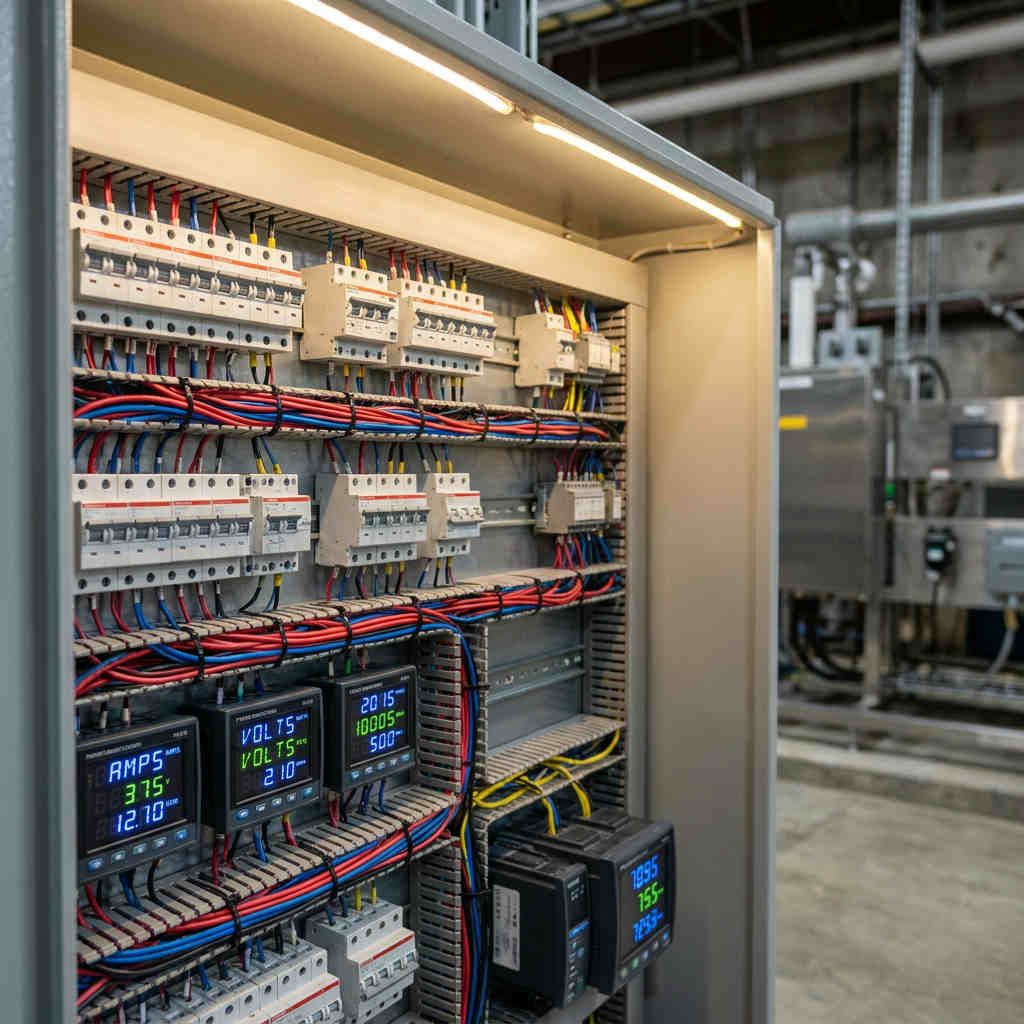
Why Data Centers Need Advanced Active Power Filters The rapid expansion of Artificial Intelligence (AI) and Machine Learning (ML) is transforming the global economy. However, this revolution comes with a massive appetite for electricity. Modern AI data centers are no longer just server rooms; they are high-density power hubs that push the limits of electrical infrastructure. As GPU clusters grow more powerful, they introduce complex power quality challenges. Specifically, the massive use of switching power supplies and Uninterruptible Power Supply (UPS) systems generates significant harmonic pollution. Without proper management, this pollution can lead to system failures, reduced efficiency, and shortened hardware lifespan. Figure 1: High-density AI infrastructure requires ultra-stable power delivery. The Silent Threat: Harmonics in High-Density Computing AI servers rely on high-performance power supply units (PSUs). While these units are efficient at converting AC to DC, they are non-linear loads. Non-linear loads draw current in sharp pulses rather than smooth sine waves. These pulses create harmonic currents—electrical 'noise' that distorts the entire power system. In a large data center, thousands of these servers working together can cause Total Harmonic Distortion (THD) to skyrocket. High THD levels lead to: • Voltage Sags and Swells: Sudden changes in power levels that can crash sensitive GPU clusters. • Transformer Overheating: Harmonics cause eddy current losses, leading to excessive heat and potential fire risks. • Neutral Wire Overload: Triple harmonics (3rd, 9th, 15th) add up in the neutral wire, risking insulation failure. Active Power Filter (APF): The AI Infrastructure Guardian Traditional passive filters are ineffective in dynamic AI environments. AI workloads are highly variable; a GPU cluster might jump from idle to full load in milliseconds. Only an Active Power Filter (APF) can provide the necessary speed and precision. An APF acts as a real-time stabilizer. It uses high-speed Digital Signal Processors (DSPs) to detect harmonic components and injects an equal and opposite current to cancel them out. This process ensures that the grid 'sees' a perfect, clean sine wave at all times. Improving Power Usage Effectiveness (PUE) Efficiency is the primary metric for data center success. Power Usage Effectiveness (PUE) measures how much power actually reaches the servers versus how much is wasted in cooling and infrastructure. Harmonics are a major cause of energy waste. By eliminating harmonic currents, an APF reduces line losses (I²R losses) and improves the power factor. This means less energy is wasted as heat in the distribution system. In a facility consuming megawatts of power, a 2-3% improvement in distribution efficiency translates to hundreds of thousands of dollars in annual energy savings. Technical Edge: Three-Level Topology and SiC Technology The next ge...
View MoreDeep Learning for Real-Time Harmonic Detection in APF Modern electrical systems are becoming smarter and more complex. As engineering students, you know that power quality is vital for a stable grid. One major challenge is harmonic distortion. This creates power quality issues that can harm equipment. Traditional methods to detect these harmonics often struggle with fast changes. This is where Deep Learning and Artificial Intelligence (AI) come into play. By using advanced algorithms, we can now detect non-stationary harmonics in real-time. This technology is revolutionizing how an Active Power Filter (APF) operates. It helps to improve power delivery and mitigates harmonic problems. The Challenge of Non-Stationary Harmonics In a perfect world, the electrical grid would provide a clean sine wave. However, our modern world uses many nonlinear loads. Devices like variable speed drives (VSDs), electric vehicle (EV) chargers, and renewable energy inverters change how power flows. These devices create harmonic currents. These currents are multiples of the fundamental frequency. They introduce order harmonic components into the system. Sometimes, these harmonics are "stationary." This means they stay the same over time. But often, they are "non-stationary." They change rapidly based on the load. For example, when a large factory machine starts or stops, the harmonics shift in a split second. Traditional detection methods, like the Fast Fourier Transform (FFT), are too slow for these changes. They cannot provide the dynamic response needed for modern harmonic mitigation. This leads to increased energy losses and reduced system efficiency. Why Deep Learning is the Solution for Power Electronics Deep Learning is a branch of machine learning. It uses neural networks to find patterns in data. In power electronics, we can train these networks to recognize harmonic patterns. Unlike traditional math-based methods, a trained AI can process information almost instantly. This allows the Active Power Filter to react to changes as they happen. It effectively eliminates harmonic content. Advanced Neural Network Architectures Engineers use several types of networks for harmonic detection: 1.Convolutional Neural Networks (CNNs): These are great at finding patterns in signal waveforms. They can filter out noise and identify specific harmonic orders. 2.Recurrent Neural Networks (RNNs): These are designed for time-series data. They can "remember" past signals to predict future harmonic changes. 3.Long Short-Term Memory (LSTM): This is a special type of RNN. It is very effective at handling long sequences of electrical data without losing accuracy. By using these architectures, the APF control system becomes much more intelligent. It can distinguish between a temporary power surge and a permanent harmonic issue. This prevents false triggers and improves system reliability. It also helps to improve power delivery by maintain...
View More
The AHF in Hospital Hospitals are places where reliable power distribution is needed to guarantee patient health and save lives. Continuity and reliability of power supply are extremely important. Automatic power restoration time of different healthcare venues is as follows: category 0 venues t≤15s; category 1 venues 0.5s≤t≤15s; and category 2 venues t≤0.5s. The Background The use of new medical equipment, such as X-ray machines, CT scanners, MRI scanners, and others is increasing in hospitals. Equipment loads contain a high volume of harmonic current, and can impact the hospital power distribution system thereby reducing power quality. Harmonic management is necessary to ensure the safety of hospital distribution systems. UPSs are increasingly common as hospitals pursue a reliable power supply. As most UPSs use 6-pulse or 12-pulse rectifiers, a high volume of harmonic current can flow into the grid and affect grid stability. The PQ Problem Harmonics affect lighting stability and interfere with precision medical instruments such as CT scanners, MRI scanners and ECGs, reducing examination accuracy and ultimately affecting physician diagnoses of patients’ conditions. In addition, high volumes of harmonic current also reduce the stability. The Performance There are some harmonic problems in Building 3 of Shanghai Tongren Hospital. In order to avoid the impact of harmonics on the normal work of the hospital, a 200A Active Harmonic Filter is installed to control the harmonics.After AHF installation, the field harmonic problem has been well improved, and the current distortion rate is reduced from about 12% to about 2%. The Picture Click here to view more applications.
View More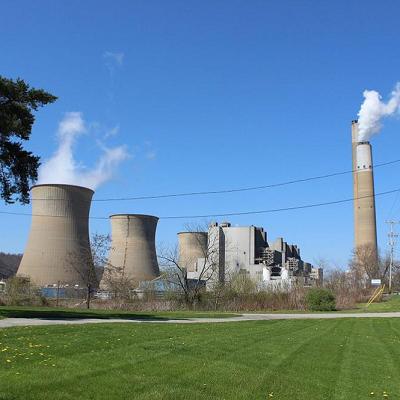
YTPQC-APF in combustion power generation YTPQC-APF, Active Power Filter reduced harmonic levels results in improved electrical network reliability and reduced operating costs. Nuisance tripping of protective devices and nuisance clearing of fuses due to harmonic heating effects is greatly reduced.Overheating of motors, transformers, switch-gear and cables is also reduced which increases their life expectancy and reduces maintenance costs. For new installations, over-sizing of distribution equipment to reduce harmonic susceptibility can be reconsidered. The Background With the rapid economic development and the rapid expansion of urban scale, urban household garbage has increased day by day, and waste incineration and power generation has also gradually began to be widely used.The main power equipment for waste incineration power generation includes incinerator, bucket, exhaust system and various water pumps, which will produce a large number of harmonic and reactive power in the process of use, which need to be treated. The PQ Problem A waste incineration power plant was established in 2004 and mainly operating products include waste treatment, power generation and heating.In the process of production and power generation, the equipment produced a large number of reactive harmonics and 5th and 7th order harmonics, resulting in the decline of electric power quality, the urgent need of treatment. The Solution YTPQC-APF The site load mainly includes carding machine, needle acupuncture machine, non-woven oven, coil machine, etc., which will produce a large number of harmonics in the production process, resulting in the field capacitance compensation cabinet can not work normally.In order to ensure the normal operation of the field capacitors cabinet, the 300A active power filter cabinet is installed on site for harmonic mitigation. The main data before installation of APF, THDi is 16.4%, the main harmonics are 5th,7th order, Power factor is 0.85. The Technical Performance For dealing with the reactive power and harmonics at site, install an YTPQC-APF-450A Active Power Filter at site. After installation of APF, THDi reduce to 1.9%, Power Factor increase to 1. The compensation effect is good, which completely solves the reactive and harmonic problems at site. Harmonics Before YTPQC-APF Harmonics after YTPQC-APF Current waveform before YTPQC-APF Current waveform after YTPQC-APF The Photos Click here to view more applications.
View More


 IPv6 network supported