

 English
 français
 Deutsch
 español
 العربية
 中文
中文
In power systems, reactive power compensation is key to keeping grids stable and using electricity efficiently. Many businesses use traditional capacitor banks for compensation, only to find they don’t work well in real operation. This article explains simply why standard capacitor banks often fail to compensate reactive power properly.
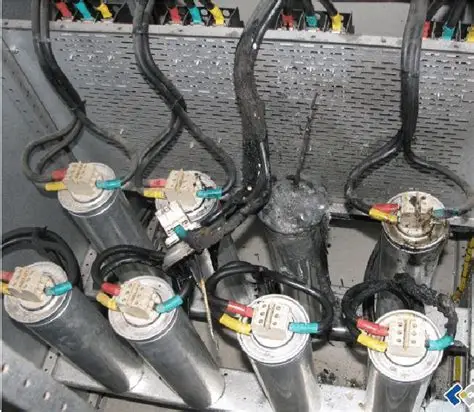
A capacitor bank works by providing capacitive reactive power to balance the inductive reactive power from motors, transformers, and other industrial loads. This should improve power factor and reduce energy waste. But this only works well in simple, stable power systems. In modern environments, they often fall short.
Most industrial equipment today — such as inverters, welders, and electric furnaces — changes its power use quickly. Reactive power can shift in milliseconds.
Traditional capacitor banks are switched on and off in steps, usually using contactors. Their response is slow, often taking hundreds of milliseconds or even seconds. They can only adjust in fixed steps, not smoothly.
By the time the capacitor bank switches, the load has already changed. This leads to:
· Under-compensation: not enough reactive power support
· Over-compensation: too much capacitive power, which raises voltage
Either way, the power factor remains unstable.
Modern loads create harmonics — unwanted high-frequency currents in the grid. Capacitors have lower impedance at higher frequencies, so they attract harmonic currents.
When capacitors mix with system inductance, they can form a resonant circuit. This amplifies harmonics, which:
· Makes capacitors overheat and wear out quickly
· Can damage capacitors, fuses, and even transformers
· Stops capacitors from compensating reactive power at all
In many harmonic-heavy sites, capacitor banks are basically useless.
The reactive power output of a capacitor depends heavily on voltage: Q = U² / Xc.When grid voltage drops, compensation drops sharply. When voltage rises too high, capacitors risk insulation damage and failure.
In weak grids or industrial sites with frequent voltage changes, capacitors cannot provide reliable compensation.
Capacitor banks can only supply capacitive reactive power. They cannot absorb reactive power or adjust smoothly. Modern grids and loads often need both inductive and capacitive support, especially dynamic loads and renewable energy systems.
For most industrial and commercial sites, SVG (Static Var Generator) and APF (Active Power Filter) perform far better:
· Respond within milliseconds
· Adjust smoothly, not in steps
· Work well even with harmonics
· Can generate or absorb reactive power as needed
· Stabilize voltage and improve power factor reliably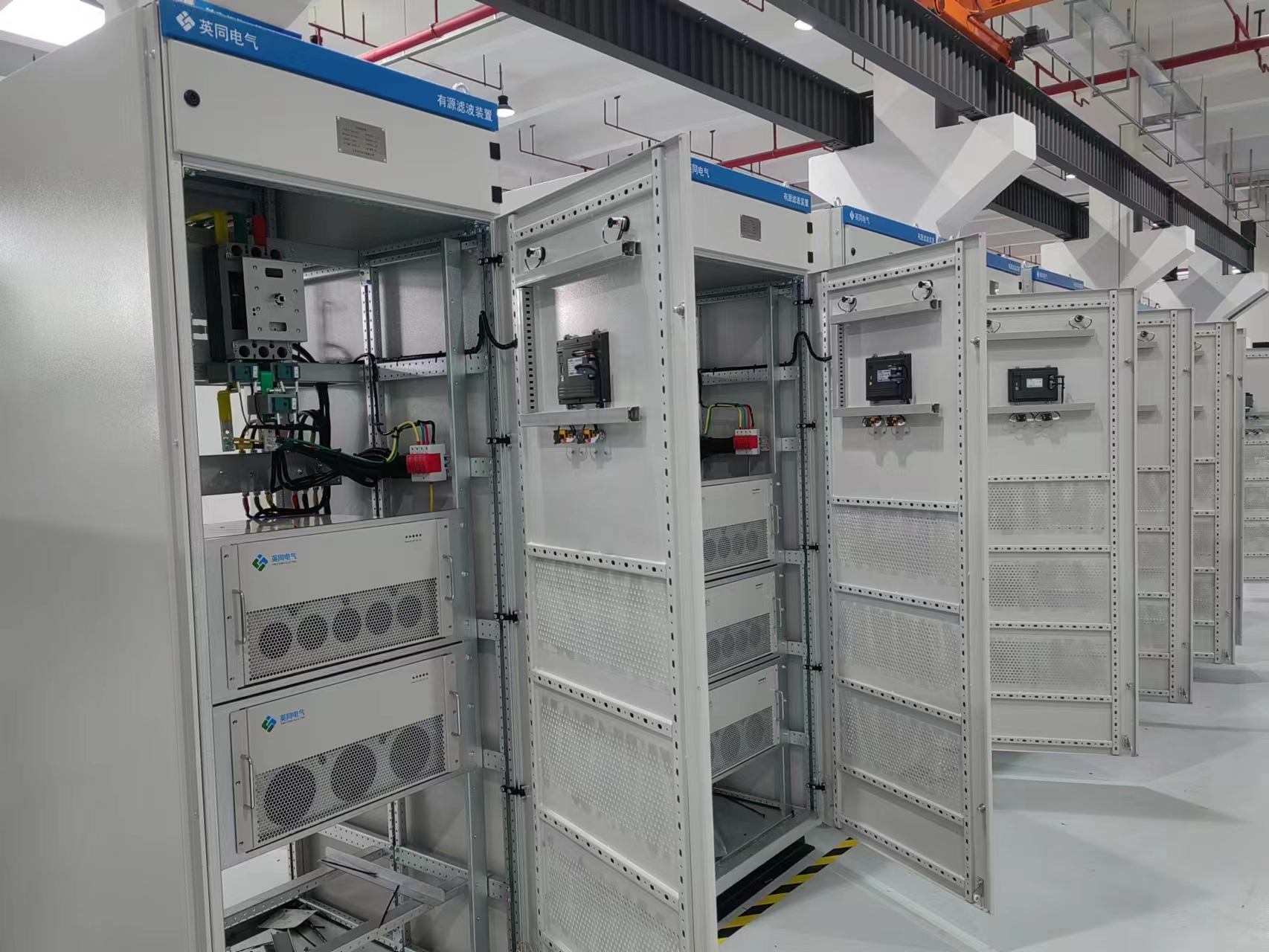
Traditional capacitor banks are low-cost, but they only work well in simple, stable systems with no harmonics and slow load changes.
In most modern industrial environments, they fail to compensate reactive power properly. Worse, they can cause overheating, resonance, and equipment damage. Upgrading to dynamic compensation equipment like SVG not only works better but also reduces long-term risks and costs.



 IPv6 network supported