

 English
 français
 Deutsch
 español
 العربية
 中文
中文
Logistics Industry Power Quality Success Story
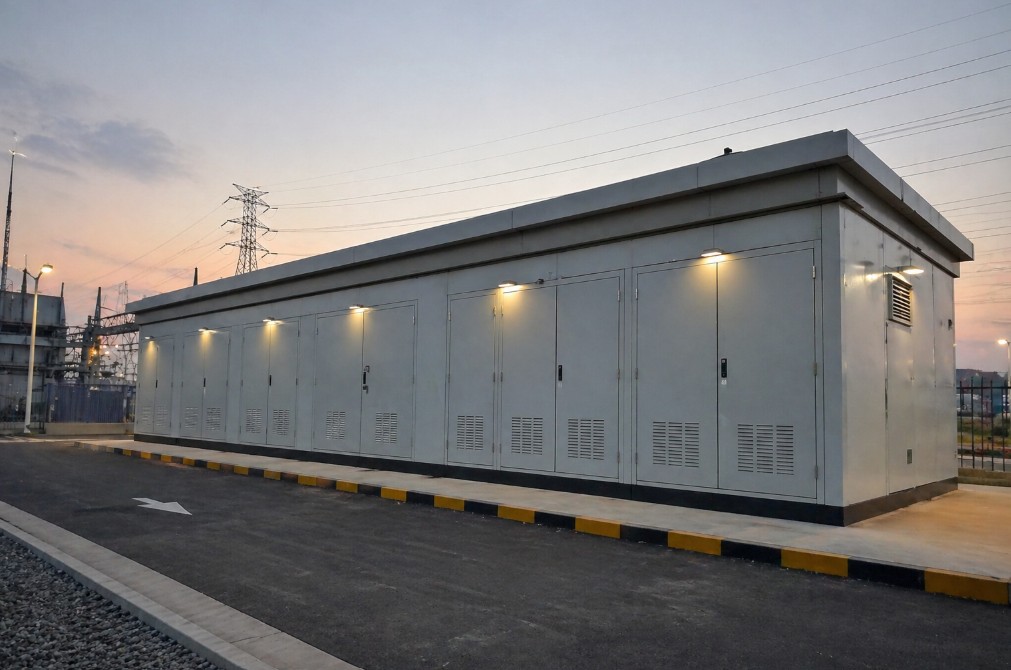
In the modern logistics industry, operational continuity depends heavily on reliable electrical systems. Automated warehouses, conveyor systems, cold storage units, barcode scanners, data centers, and electric forklifts all require stable and uninterrupted power. Even a brief voltage fluctuation can disrupt sorting lines, delay shipments, and create significant financial losses.
This power quality success story highlights how one large-scale logistics distribution center improved operational efficiency, reduced downtime, and protected sensitive equipment by implementing a professional power quality solution.
The logistics industry operates in a highly time-sensitive environment. Distribution centers often run 24/7, especially during peak seasons such as holidays and major sales events. Any electrical disturbance can affect:
Automated sorting systems
Warehouse management servers
Refrigeration systems
Security monitoring devices
Charging stations for electric forklifts
Lighting and emergency backup systems
Poor power quality often appears in the form of voltage sag, harmonics, transient surges, power factor issues, and unstable frequency. These problems not only reduce equipment lifespan but also increase maintenance costs and energy waste.
For logistics companies, power quality is not simply an engineering issue—it is a business performance issue.
A regional logistics hub operating over 80,000 square meters faced repeated power interruptions in its automated warehouse. The facility handled over 50,000 packages daily and relied on:
Automated conveyor belts
Smart sorting machines
Cold chain storage systems
ERP and warehouse management servers
Electric forklift charging stations
The customer reported frequent system alarms, unexpected equipment shutdowns, and high maintenance costs.
After investigation, engineers found the major causes were:
Voltage fluctuations from unstable grid supply
Harmonic distortion caused by variable frequency drives (VFDs)
Low power factor due to heavy inductive loads
Surge damage during peak load switching periods
These issues directly affected warehouse efficiency and delivery reliability.
To solve these problems, a complete power quality management system was installed, including:
Automatic Voltage Regulators (AVR)
Surge Protection Devices (SPD)
Intelligent Power Monitoring System
These solutions worked together to stabilize voltage, reduce harmonics, improve power factor, and provide real-time monitoring for preventive maintenance.
| Power Quality Problem | Installed Solution | Operational Benefit |
|---|---|---|
| Harmonic distortion | Active Power Filter (APF) | Reduced overheating and equipment faults |
| Low power factor | Static Var Generator (SVG) | Lower electricity costs and improved efficiency |
| Voltage instability | Automatic Voltage Regulator (AVR) | Stable operation of sensitive systems |
| Surge and transient damage | Surge Protection Device (SPD) | Protection for servers and automation equipment |
| Lack of visibility | Intelligent Monitoring System | Faster fault diagnosis and predictive maintenance |
The project was completed in three stages to avoid interruption to daily logistics operations.
Power Quality Audit
        ↓
Load Analysis & Harmonic Testing
        ↓
Customized Solution Design
        ↓
Equipment Installation
        ↓
System Integration & Testing
        ↓
Real-Time Monitoring Activation
        ↓
Performance Optimization
This phased approach ensured smooth integration without disrupting warehouse productivity.
Within three months of deployment, the logistics center reported measurable improvements.
Unexpected shutdowns decreased by 78%, significantly improving package handling efficiency and delivery schedules.
The facility’s power factor increased from 0.76 to 0.98, helping reduce utility penalties and optimize energy usage.
Frequent replacement of motor drives and control boards dropped sharply, reducing annual maintenance expenses by nearly 35%.
By reducing harmonics and reactive power loss, total electricity consumption decreased by approximately 12%.
The warehouse achieved stronger system stability during peak seasons, especially during high-volume holiday operations.
This success story proved that investing in power quality solutions delivers both technical and financial returns.
Many logistics operators focus primarily on automation equipment but overlook the electrical foundation that supports it. Without stable power quality, even advanced warehouse systems cannot perform reliably.
The key lessons include:
Preventive power management is more cost-effective than reactive repairs
Harmonic control is essential for facilities using VFD-heavy equipment
Real-time monitoring helps avoid major shutdowns
Power factor correction reduces long-term operating costs
Stable voltage protects critical digital infrastructure
As logistics centers continue to adopt AI, robotics, and smart warehousing technologies, power quality management will become even more important.
This logistics industry power quality success story demonstrates how electrical stability directly impacts business performance. By addressing harmonics, voltage fluctuations, surge risks, and poor power factor, the customer transformed operational reliability and reduced hidden costs.
For modern warehouses and distribution centers, power quality is not an optional upgrade—it is a strategic investment.
Companies that prioritize power quality today will gain stronger efficiency, lower operational risk, and better long-term competitiveness in the rapidly evolving logistics industry.



 IPv6 network supported