

 English
 français
 Deutsch
 español
 العربية
 中文
中文
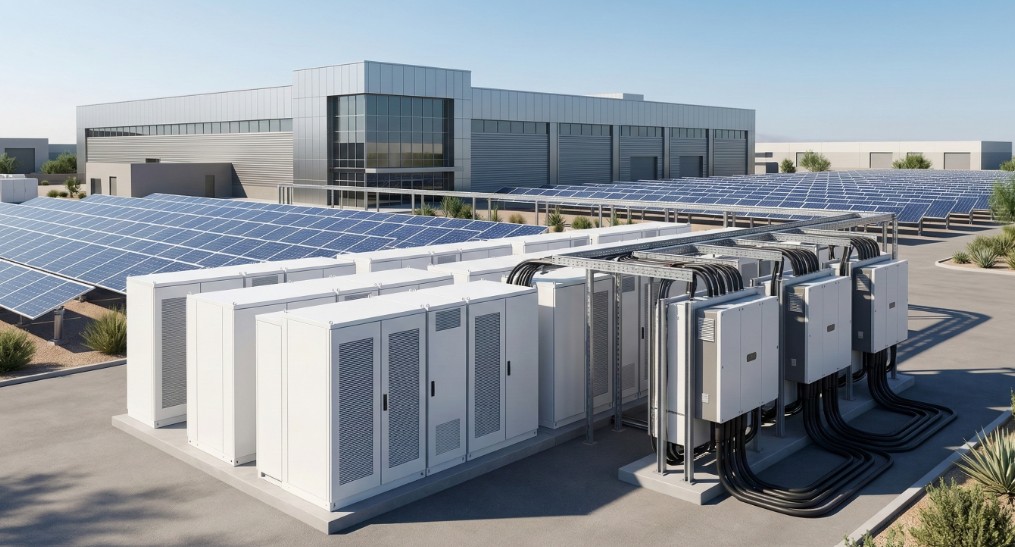
Modern commercial facilities face rising electricity costs and unstable power grids. Integrating solar power systems with robust energy storage solutions has become a technical necessity. This case study examines a specific industrial application where commercial energy storage optimizes energy efficiency and reduces peak demand charges.
The project involved a manufacturing facility utilizing a 500kW rooftop solar array. To maximize the utility of the generated solar power, we implemented a commercial energy storage system. This system utilizes high-density lithium iron phosphate batteries to ensure safety and longevity.
The integration focuses on DC-coupled architecture for higher round-trip efficiency. By storing excess solar energy during the day, the facility uses it during evening production cycles. This reduces the reliance on the local utility grid during expensive peak hours.
The primary goal was to address the facility's high "peak demand" intervals. These short periods of high energy usage significantly inflate the monthly utility bill. Our storage solution uses an automated Energy Management System (EMS) to monitor real-time load.
The EMS triggers the discharge of the commercial energy storage system when demand exceeds a set threshold. This process, known as peak shaving, flattens the consumption profile. Consequently, the facility avoids high demand penalties while maintaining full production capacity.
After six months of operation, the data shows a significant shift in energy consumption patterns. The facility achieved a 40% reduction in grid-supplied electricity during peak tariff periods. Furthermore, the commercial energy storage system provided reliable backup during two minor grid outages.
The total cost of ownership is offset by the reduction in demand charges and energy arbitrage. Solar power systems without storage often waste up to 20% of generated energy through clipping. With storage, nearly 98% of the harvested energy is utilized effectively by the facility.
Maintenance for these systems is streamlined through remote monitoring tools. Technicians can check state-of-charge and cell temperature via a secure cloud portal. This proactive approach prevents hardware failure and extends the operational life of the battery cells.
Scalability is a core feature of this commercial energy storage design. As the facility expands its production lines, the storage capacity can be increased modularly. Adding more battery racks does not require a complete redesign of the existing solar power systems.
This case study proves that commercial energy storage is essential for modern solar power systems. It transforms intermittent solar energy into a controllable and reliable industrial asset. Businesses can achieve faster payback periods and better energy independence through these advanced technical configurations.
The synergy between solar power systems and storage technology is the foundation of smart manufacturing. By implementing peak shaving and maximizing self-consumption, companies secure a competitive advantage. This technical approach ensures long-term sustainability and operational resilience in a volatile energy market.



 IPv6 network supported