Walking into a steel melting shop, you feel the raw power. Arc furnaces roar, induction furnaces hum at high frequencies, and the electricity demand is staggering. But behind this impressive industrial might lies a hidden cost – poor power quality that drains profits and threatens equipment. The Real Trouble: Reactive Power and Start-Up Mayhem Electric arc furnaces and medium-frequency induc...
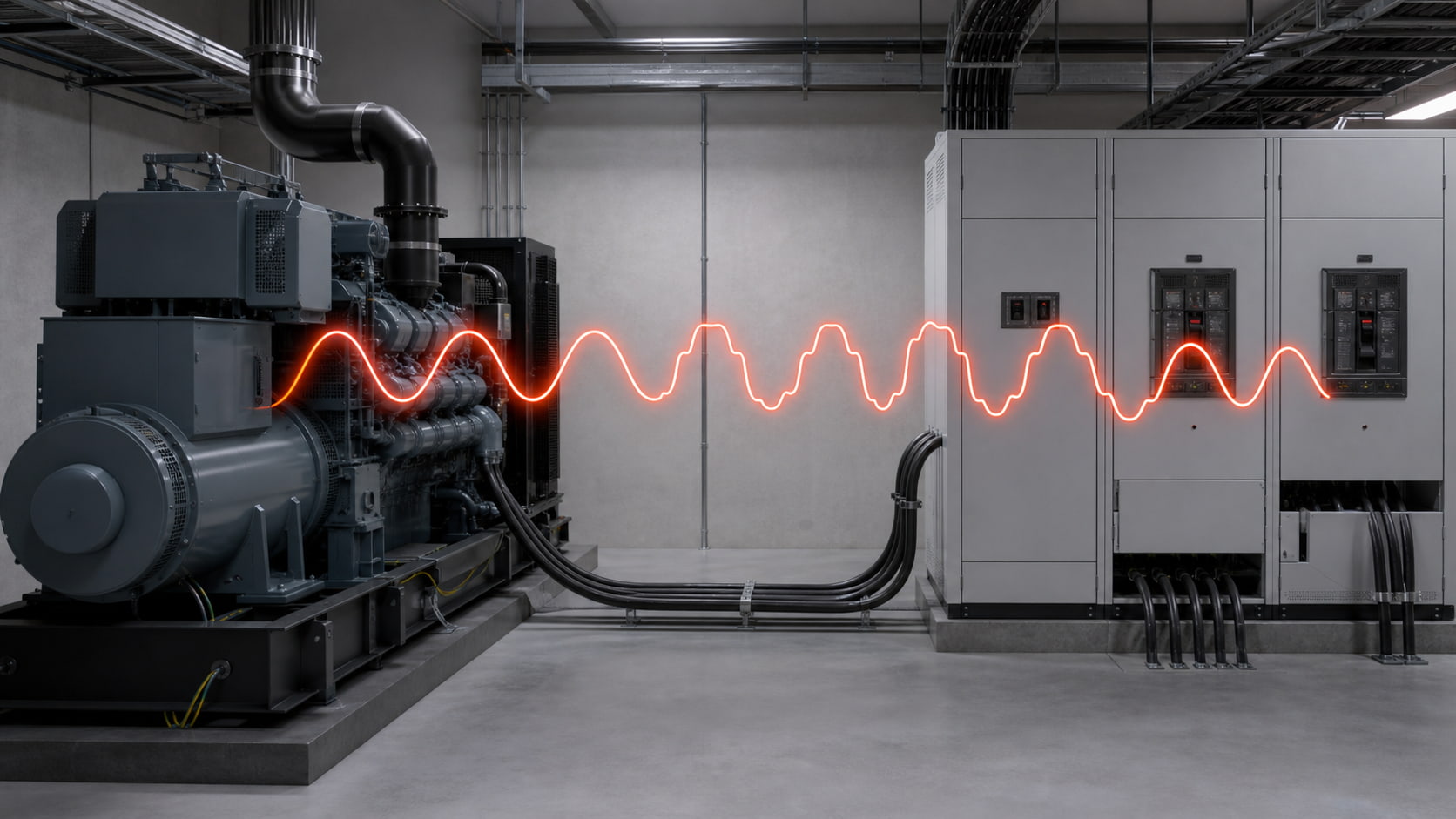
A facility can operate normally on utility power and develop power quality problems after transferring to a standby generator. Drives trip, UPS systems report input faults and lights flicker—even though the load has not changed. Nonlinear loads are usually already generating harmonic current. The generator provides a weaker source, allowing the same current distortion to create greater volta...
Why a Solar Plant Needs Active Compensation A Static Var Generator (SVG) is an active, IGBT-based power-electronics compensator that stabilises voltage, supplies or absorbs reactive power and filters harmonic current at the point of common coupling (PCC) of a solar plant. It turns unstable PV output into grid-compliant power for EPC contractors, electrical engineers, procurement teams and power-qu...
When Power Quality Equipment Must Also Be Quiet A Static Var Generator is normally evaluated by reactive power capacity, response time, power factor control and harmonic compensation. In many installations, the equipment room adds another requirement: the solution must also control noise, dust exposure and maintenance demands. YT Electric’s Fanless Static Var Generator uses natural he...
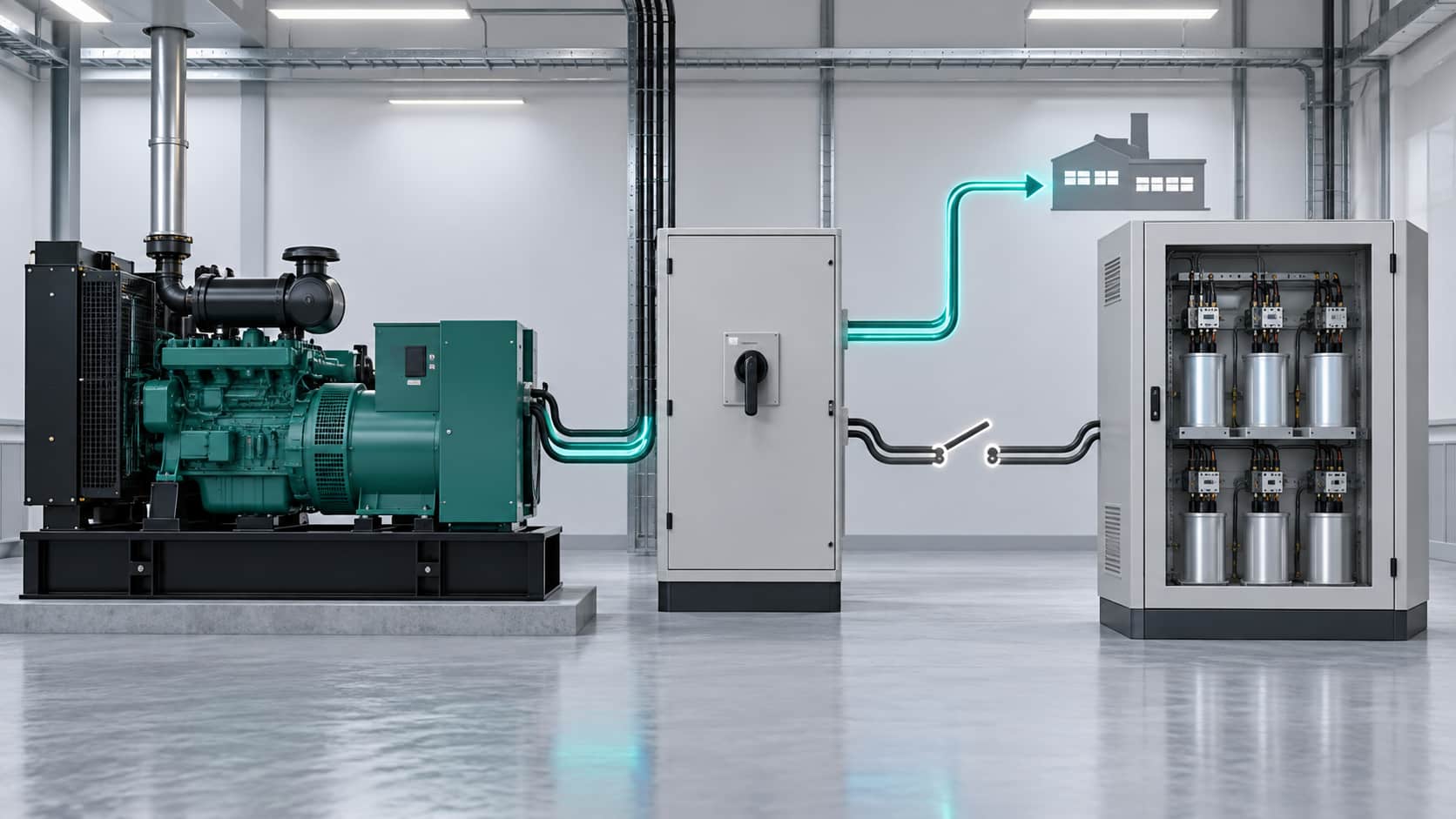
Quick Answer An APFC panel is not simply permitted or forbidden on generator power. Compatibility depends on generator capacity, the power factor of the load that stays online, the size of each load step, harmonic distortion, available short-circuit capacity, governor and excitation response, the generator manufacturer’s limits, and the logic inside the APFC controller. On many standby syste...


 English
 français
 Deutsch
 español
 العربية
 中文
中文



 IPv6 network supported