

 English
 français
 Deutsch
 español
 العربية
 中文
中文
The Role of Energy Storage Systems in Off-Grid Power Systems
As the need for reliable and sustainable electricity increases worldwide, off-grid power systems are becoming vital. They are important for remote areas, islands, industrial sites, and places with limited access to the grid. Off-grid systems let communities and businesses work without support from national grids. This reduces the need for diesel generators and increases energy independence.
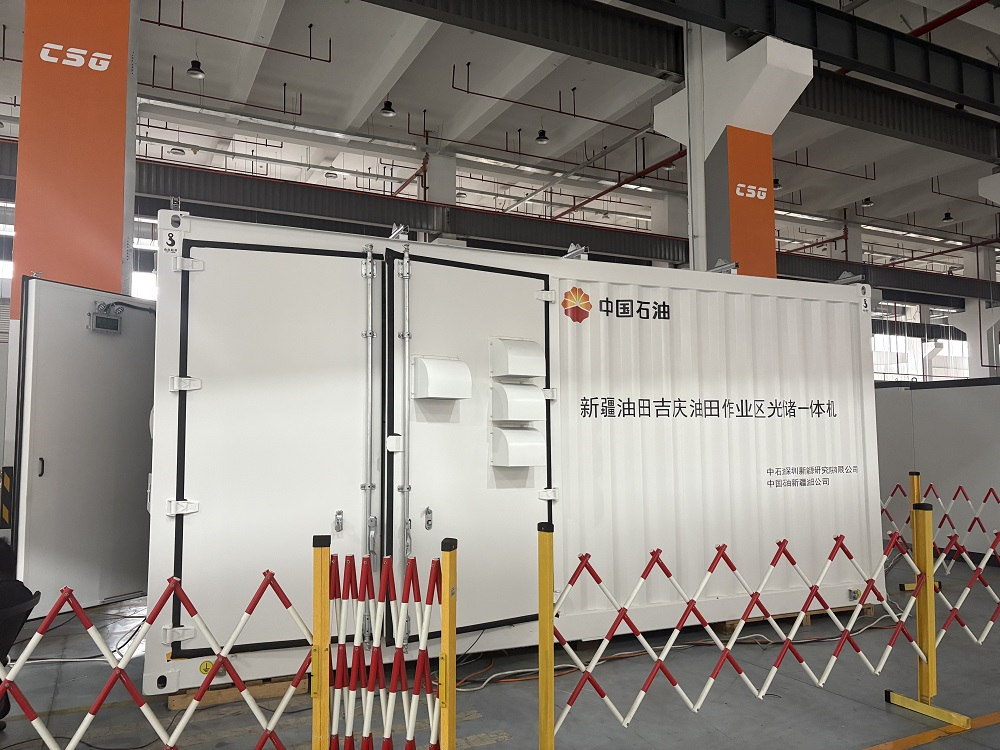
To get steady power without the grid, we need an Energy Storage System (ESS). ESS makes off-grid systems more reliable, efficient, cost-effective, and better at using renewable energy.
A main challenge of off-grid systems is that energy from solar or wind often fluctuates. Solar production stops at night and decreases during cloudy weather, while wind output can vary suddenly. Without a stabilizing mechanism, these fluctuations can lead to power interruptions or poor power quality.
An ESS stores surplus energy during periods of high generation and releases it when energy production is low. This ensures a consistent power supply and eliminates the risk of blackouts. High-quality ESS solutions can deliver instant response power, maintaining voltage and frequency stability even when loads change suddenly.
In places like telecom stations, remote mines, hospitals, or emergency centers, continuous power is essential. ESS ensures reliable operation and keeps power running.
Off-grid systems traditionally relied heavily on diesel generators because of their ability to produce electricity on demand. However, diesel power is expensive, polluting, and susceptible to supply chain disruptions. As the world moves to clean energy, solar panels (PV) and wind turbines are now popular for off-grid setups.
Yet renewable energy alone cannot support stable off-grid operation because of differences. This is where ESS plays a crucial enabling role.
By storing extra renewable energy, ESS helps the system run with more renewable sources. This greatly cuts down or even removes the need for diesel fuel. In advanced hybrid systems, energy storage systems work smartly with solar, wind, and backup generators. This helps to use more renewable energy and ensures reliability.
In some modern off-grid microgrids, renewable energy penetration can reach over 80% thanks to ESS. This not only helps reduce working costs but also advances carbon-neutral goals and supports sustainable development.
Fuel costs make up a large part of off-grid system expenses. This is especially true in remote areas where transporting fuel is expensive and difficult. A well-designed ESS drastically reduces generator runtime by supplying stored renewable energy during low-production periods.
Studies show that integrating an ESS into a hybrid off-grid system can reduce diesel consumption by 40–70%. Over time, these savings far exceed the initial investment in storage equipment.
Beyond fuel savings, ESS also reduces generator maintenance costs. Diesel generators often require frequent servicing when used as the primary energy source. By handling most of the load management and peak shaving tasks, ESS reduces generator start-stop cycles. This helps to extend equipment life and lower repair costs.
Off-grid systems often face power quality problems. These include voltage drops, changes in frequency, and harmonic distortion. These issues are worse when loads change suddenly. Sensitive equipment used in mining operations, industrial sites, or communication facilities requires stable electrical parameters.
Modern ESS solutions, particularly those equipped with advanced power conversion systems, can actively regulate voltage and frequency, absorbing disturbances and ensuring smooth operation. Some ESS solutions also incorporate power quality functionalities such as reactive power compensation and harmonic filtering.
This improvement in power quality makes off-grid systems more reliable. It also makes them better for complex industrial loads. This helps businesses keep productivity high in remote areas.
Off-grid loads typically show significant variation throughout the day. Peak hours may need more power than renewable sources can give. Off-peak hours create extra energy that goes to waste.
ESS efficiently balances these variations by charging during low-load periods and discharging during peak demand. This avoids the need for oversized generators or renewable systems, reducing capital investment while improving working efficiency.
Peak shaving also helps operators maintain generator operation within optimal load ranges when they require backup generation, which improves fuel efficiency and system stability.
One of the major advantages of modern ESS solutions is their parts and ability to grow. An off-grid system may begin with minimal storage capacity and gradually expand as demand grows. You can easily integrate additional battery modules without redesigning the system.
This ability to grow is particularly beneficial for:
l Expanding rural microgrids
l Remote telecom towers with increasing data requirements
l Industrial sites experiencing load growth
l Disaster relief operations requiring rapid deployment
Such flexibility ensures that off-grid users can adjust their power supply capacity quickly and economically.
We drastically reduce carbon emissions, air pollution, and noise pollution.
ESS helps local economies by reducing energy costs. It also improves reliability for small businesses. Additionally, it enables power supply in areas that did not have power before. Stable electricity boosts healthcare, education, agriculture, and communication networks, improving overall quality of life.
Energy Storage Systems play a central and life-changing role in modern off-grid power systems. ESS keeps power stable, uses more renewable energy, lowers fuel costs, and improves electricity quality. It helps off-grid communities get reliable and efficient power. As technology improves, ESS will become even more important worldwide.



 IPv6 network supported