Active Harmonic Filters (AHF): A Simple Guide to Cleaner Electricity Electricity is part of our daily life. It powers factories, schools, hospitals, shopping centers, and homes. Today, many devices such as computers, chargers, elevators, solar systems, and electric vehicles use advanced electronics. While these devices are useful, they can also make electricity “messy” and harder to co...
The Ultimate Solution for Power Quality ---SVG & AHF Reliable power quality is key for efficient work in today's factories and businesses. Two main issues often come up: harmonic distortion and wasted reactive power. Here are two advanced technologies can solve these problems: Active Harmonic Filter (AHF) and Static Var Generator (SVG). They help reduce risks and make power systems work better...
Why Your Traditional Capacitor Bank Fails to CompensateReactive Power In power systems, reactive power compensation is key to keeping grids stable and using electricity efficiently. Many businesses use traditional capacitor banks for compensation, only to find they don’t work well in real operation. This article explains simply why standard capacitor banks often fail to compensate reactive p...
Solar Inverter Harmonics in South Africa Solar inverter harmonics South Africa is now a bigger issue on industrial and commercial sites. Many facilities have added rooftop PV to reduce grid dependence and control electricity bills. But solar inverters also add harmonic current to electrical networks. When that happens, the site may see overheating, unstable power factor, nuisance trips, and weak p...
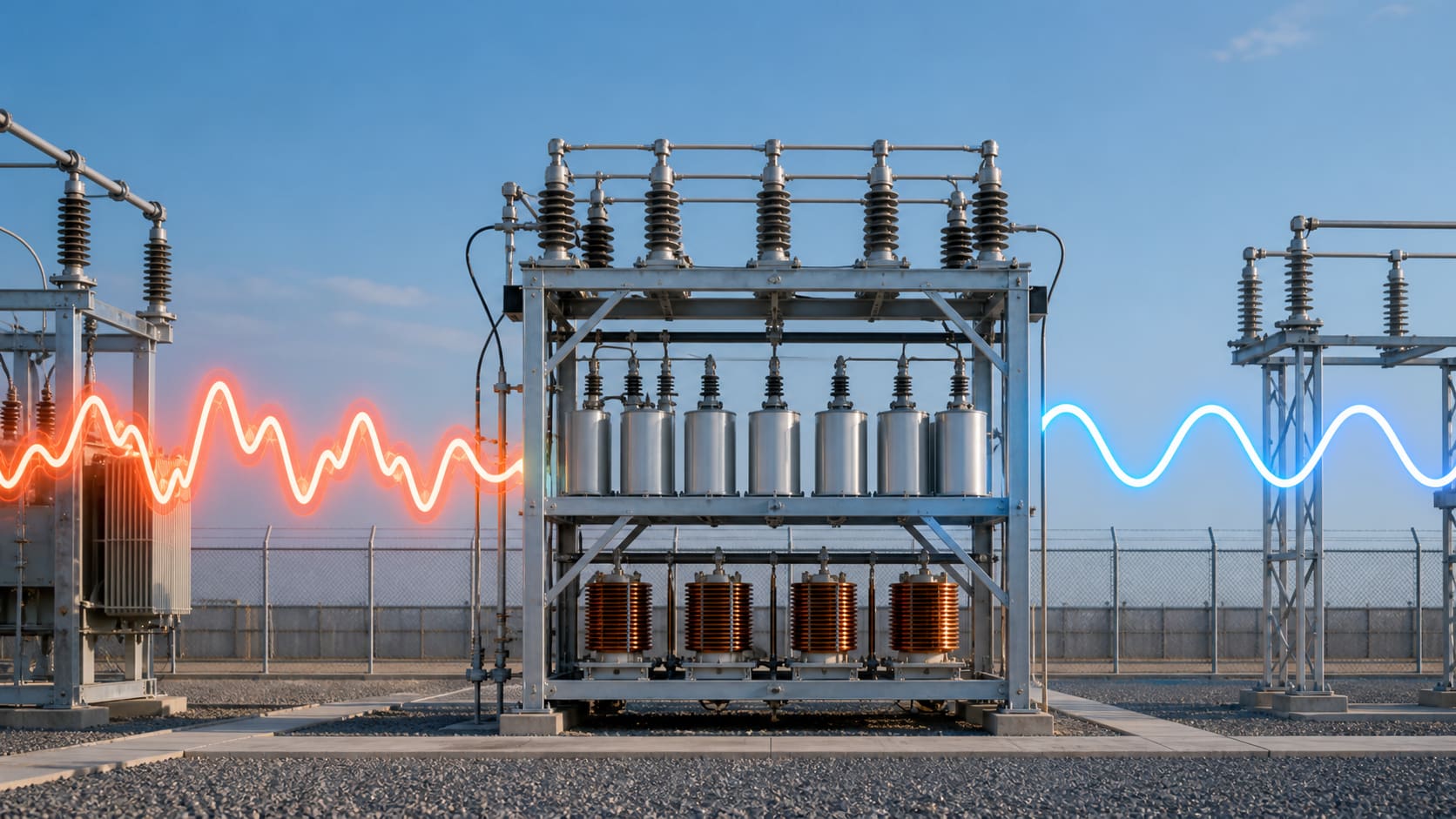
Medium Voltage Harmonic Filters: A Complete Selection Guide Medium voltage harmonic filters help industrial facilities, renewable energy plants, utilities, and infrastructure projects control harmonic distortion in their electrical systems. Harmonics can reduce power quality, increase equipment losses, create overheating, and interfere with normal system operation. A correctly designed harmonic fi...
Installing a capacitor bank should improve power factor, reduce reactive power demand and release capacity in transformers and cables. However, some facilities find that their power factor remains below the utility target even after the capacitor bank has been commissioned. This does not necessarily mean the capacitor bank is defective. The cause may be incorrect sizing, changing loads, harmonic d...
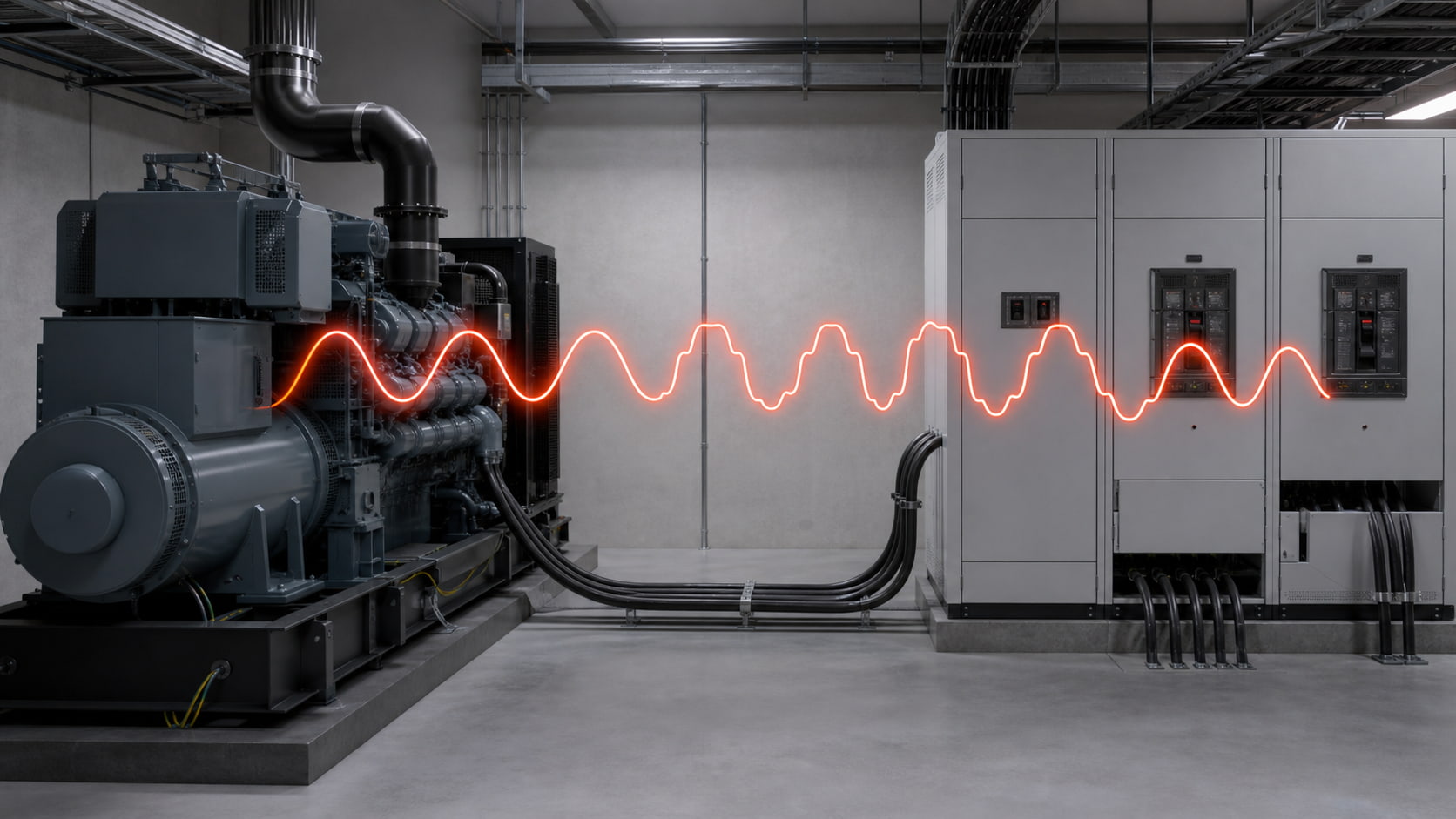
A facility can operate normally on utility power and develop power quality problems after transferring to a standby generator. Drives trip, UPS systems report input faults and lights flicker—even though the load has not changed. Nonlinear loads are usually already generating harmonic current. The generator provides a weaker source, allowing the same current distortion to create greater volta...
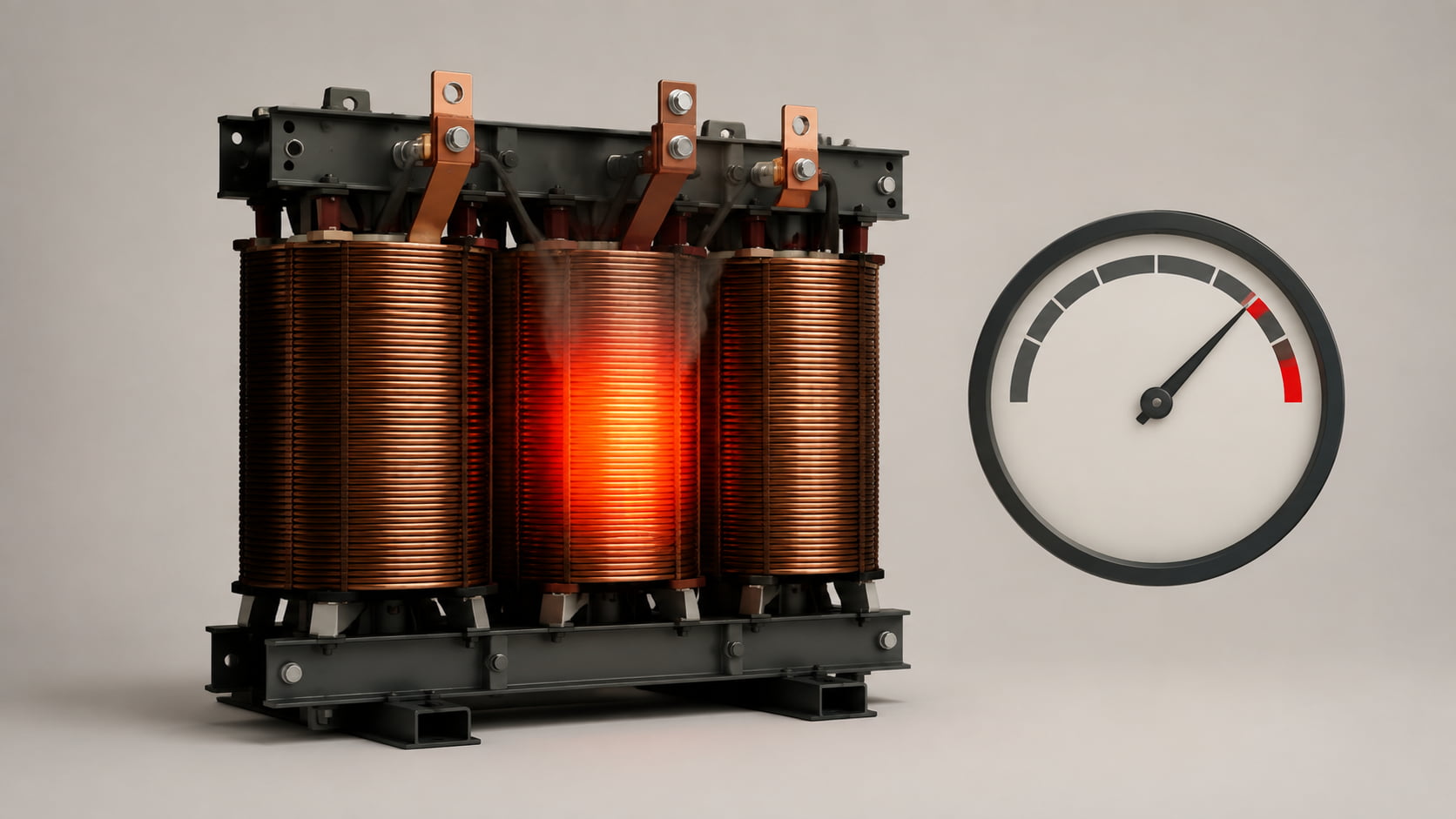
Transformer Overheating Explained: Why It Happens Below Rated Load A transformer can run unusually hot even when the connected load appears safely below its nameplate rating. Current may seem acceptable while winding or enclosure temperatures continue rising. This often happens because loading is assessed only in kilowatts or average amperes. Harmonics, imbalance, poor power factor and inad...


 English
 français
 Deutsch
 español
 العربية
 中文
中文



 IPv6 network supported