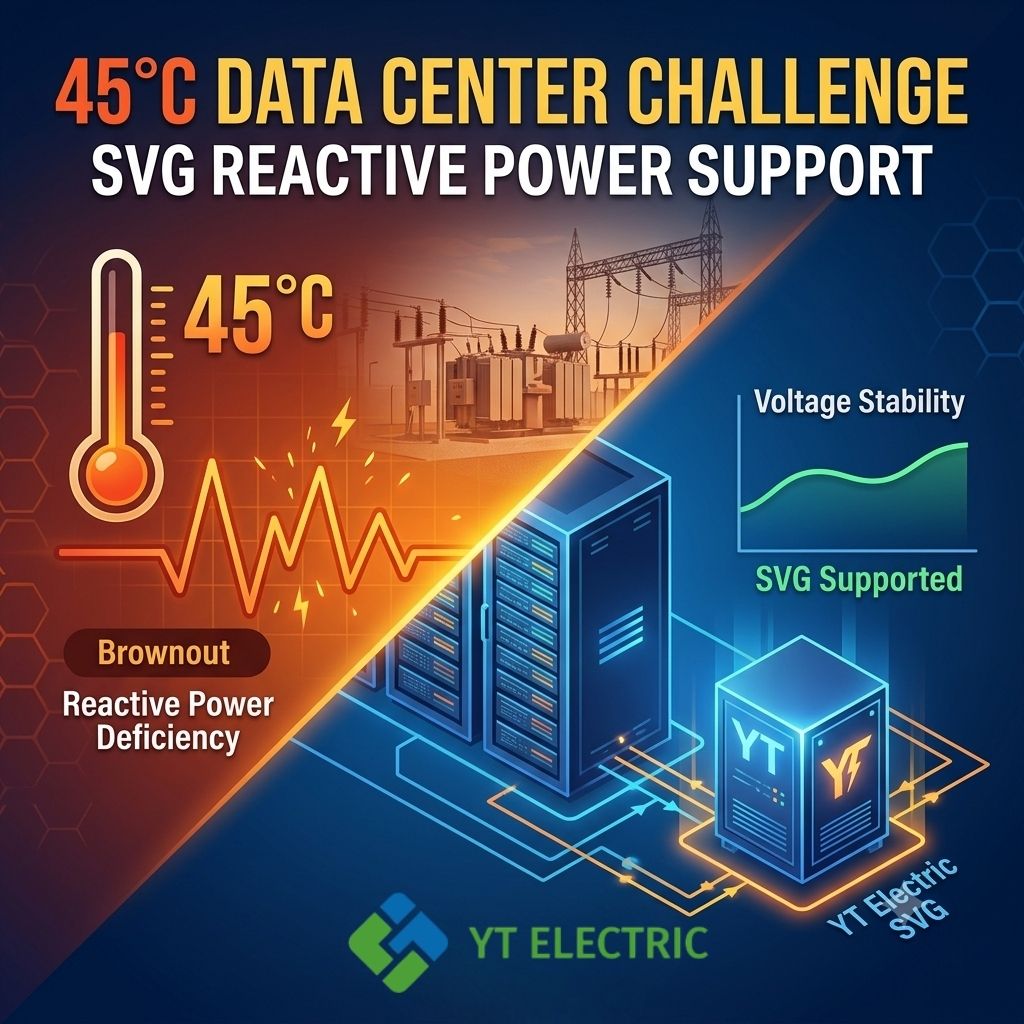
Introduction: The 2026 Grid Emergency Meets AI Infrastructure In July 2026, the eastern United States is experiencing a punishing heatwave. The PJM Interconnection—the largest US regional grid—is forecasting demand to exceed 166,000 MW, dangerously close to its all-time historical record. Utilities are considering the unthinkable: cutting AI data centers off the grid to preserve...
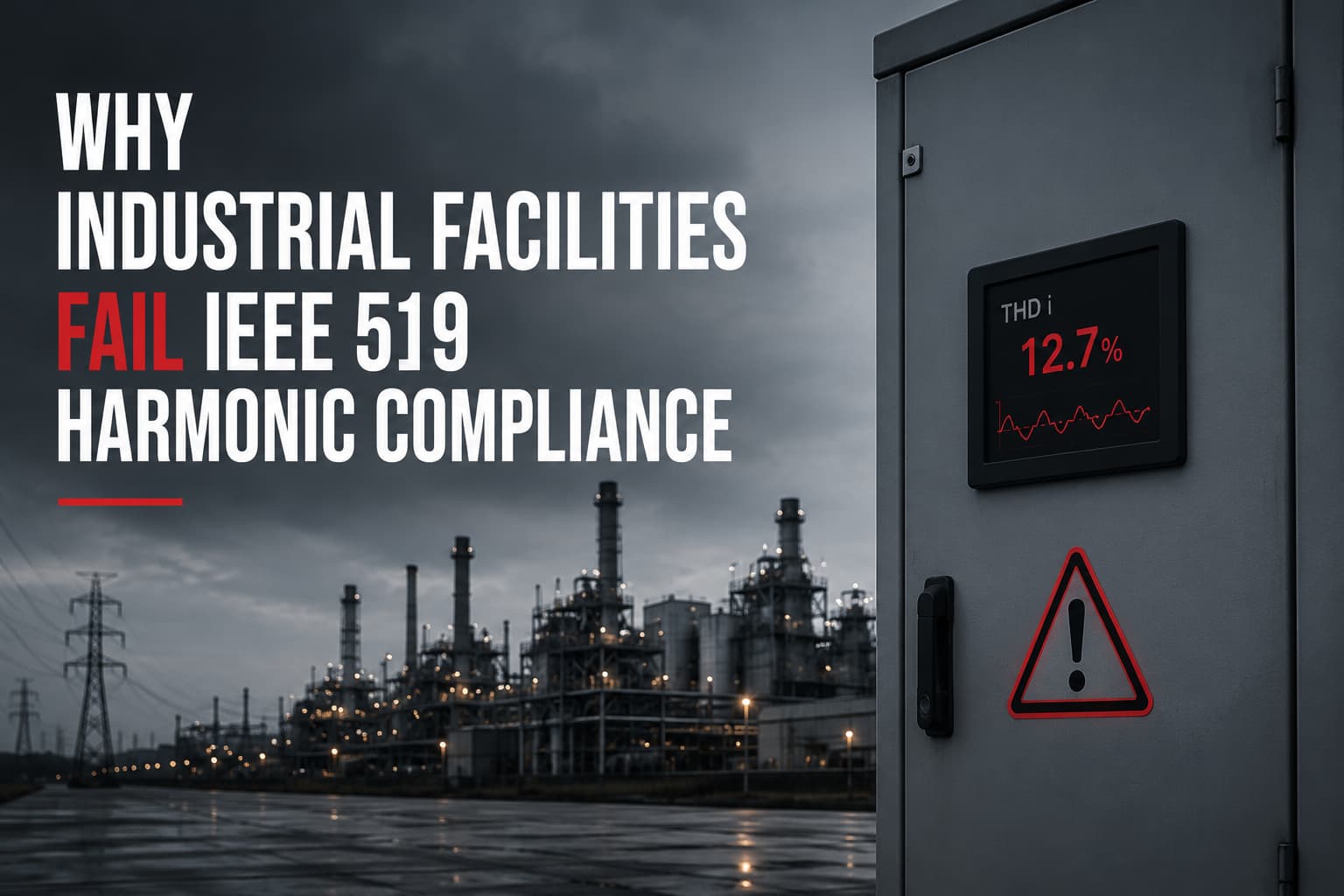
Why Industrial Facilities Fail IEEE 519 Harmonic Compliance Introduction As industrial facilities become increasingly dependent on variable frequency drives (VFDs), automated production lines, switch-mode power supplies, and renewable energy systems, maintaining good power quality has become more challenging than ever. While these technologies improve efficiency and reduce energy con...
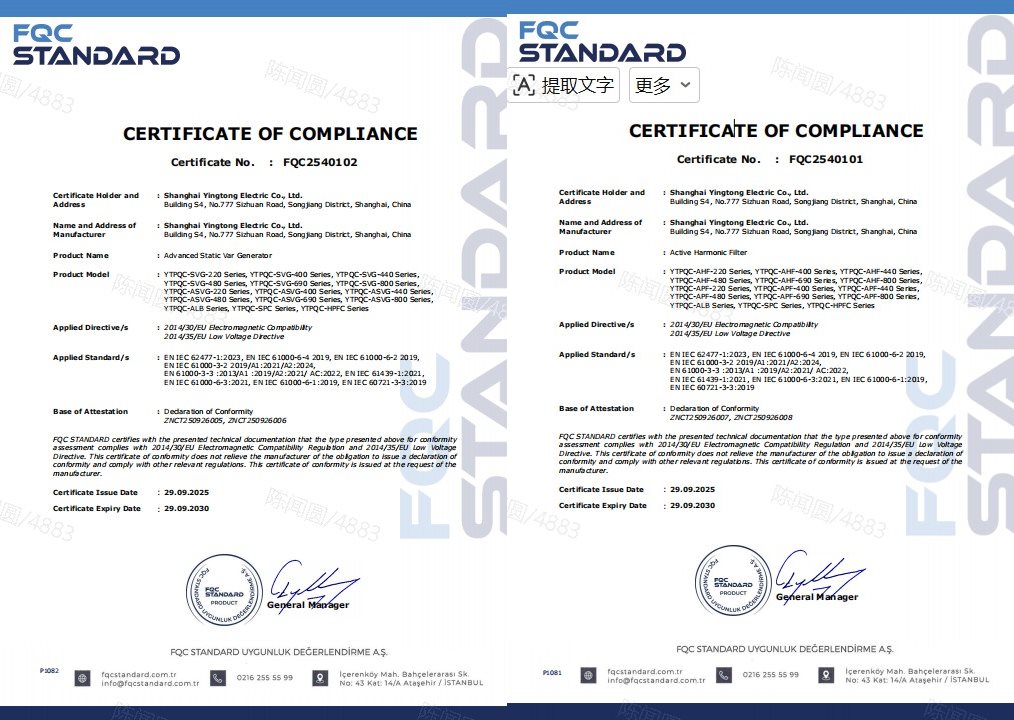
FQC Certification: Values, Test Scope and Certification Standards Understand FQC Certifications and how it verifies Products and Standard Tests. Your procurement team is shortlisting AHF and SVG vendors for your plant's power quality solution upgrade. Suppliers have submit quotes with nearly identical specifications on paper. Only one submits a signed, dated third-party attest...
The Ultimate Guide to Power Quality Control: Top 10 Solutions for a Stable, Efficient Electrical System Introduction: Why Power Quality Matters More Than Ever Imagine your manufacturing plant suddenly shuts down—not because of a major failure, but because of a momentary voltage sag lasting just 50 milliseconds. Motors stall, production lines halt, and you lose tho...
Power Quality in Steel Mills — A Silent Threat to Production Steel manufacturing is one of the most energy-intensive industries in the world. Within a typical steel mill, you will find a diverse range of electrical loads: water pumps circulating cooling systems, medium-frequency induction furnaces for melting, overhead cranes for material handling, LED lighting for workspaces, rolling mills,...
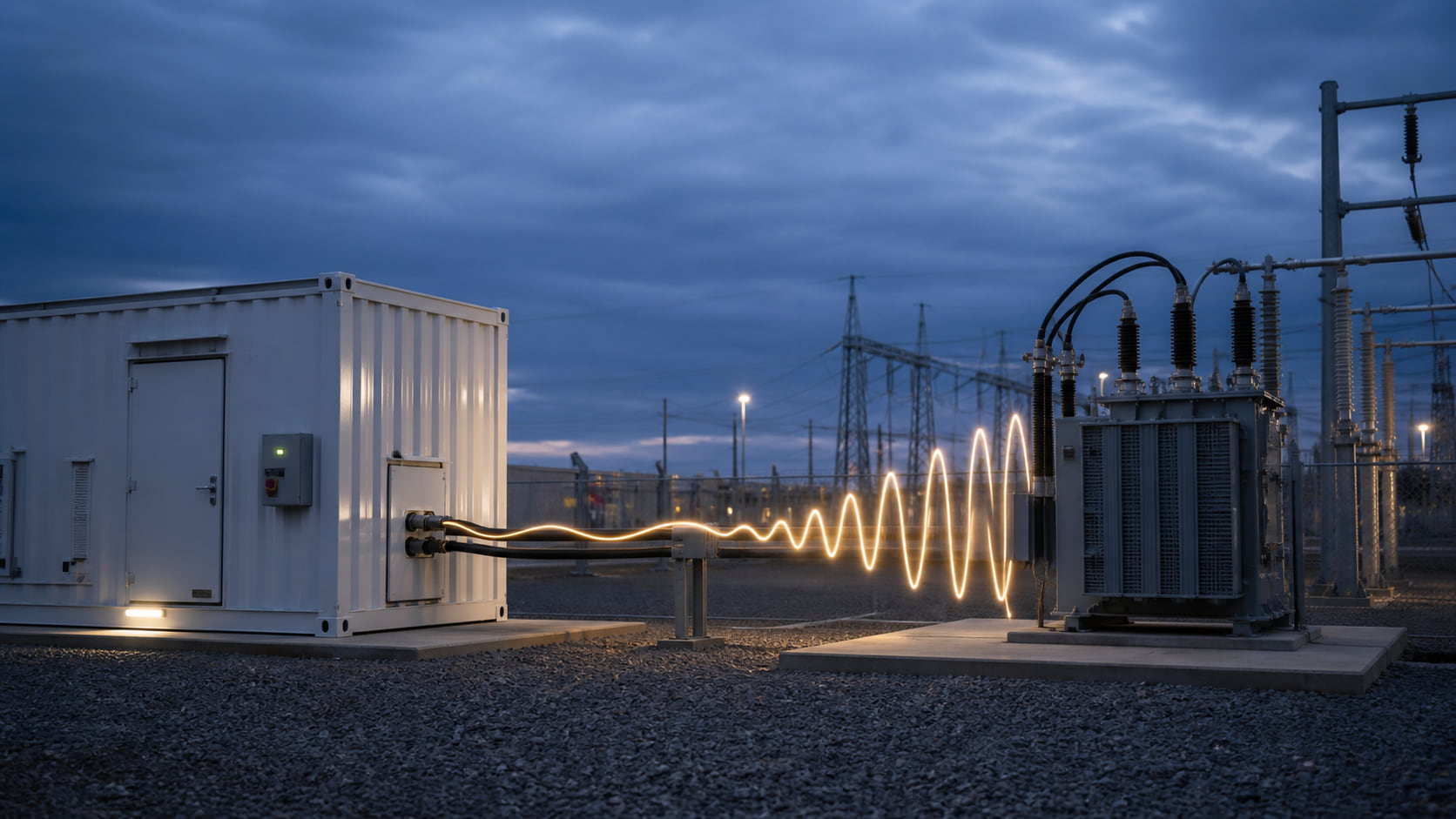
A battery energy storage system can satisfy the harmonic limits at its point of common coupling and still introduce a resonant frequency into the electrical network. This is not a contradiction.Grid compliance confirms that voltage and current distortion remain within defined limits under the conditions assessed. Harmonic resonance describes how the complete electrical system responds at different...
A robotic welding cell can run perfectly for hours and still expose a serious weakness in the factory power system when several lines start together. The symptom may be a hot neutral conductor, a nuisance trip, a voltage complaint from a servo drive, or a transformer that operates above its expected temperature. In many cases, the root cause is not a single defective machine. It is three-phase loa...
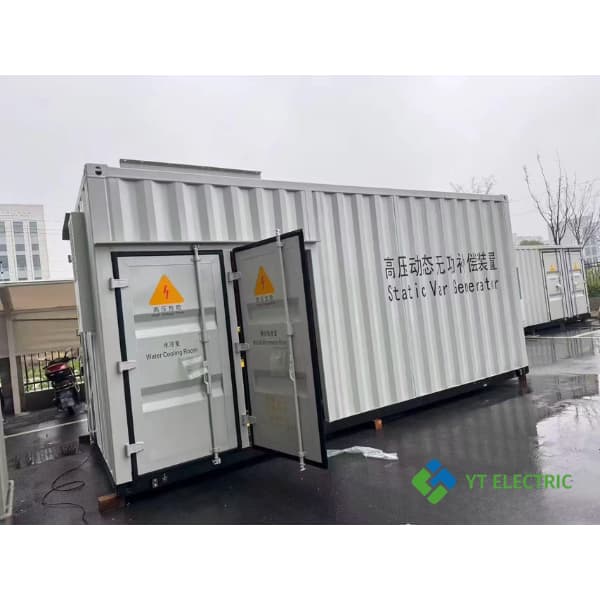
When a PV plant reaches MW scale, inverter control stops being the same thing as grid code compliance. Compliance is judged at the point of common coupling (PCC), where the utility measures voltage and current quality — not at the inverter terminals. A plant with well-behaved inverters can still fail its connection test for that reason, and a medium-voltage STATCOM is usually the device that...


 English
 français
 Deutsch
 español
 العربية
 中文
中文



 IPv6 network supported