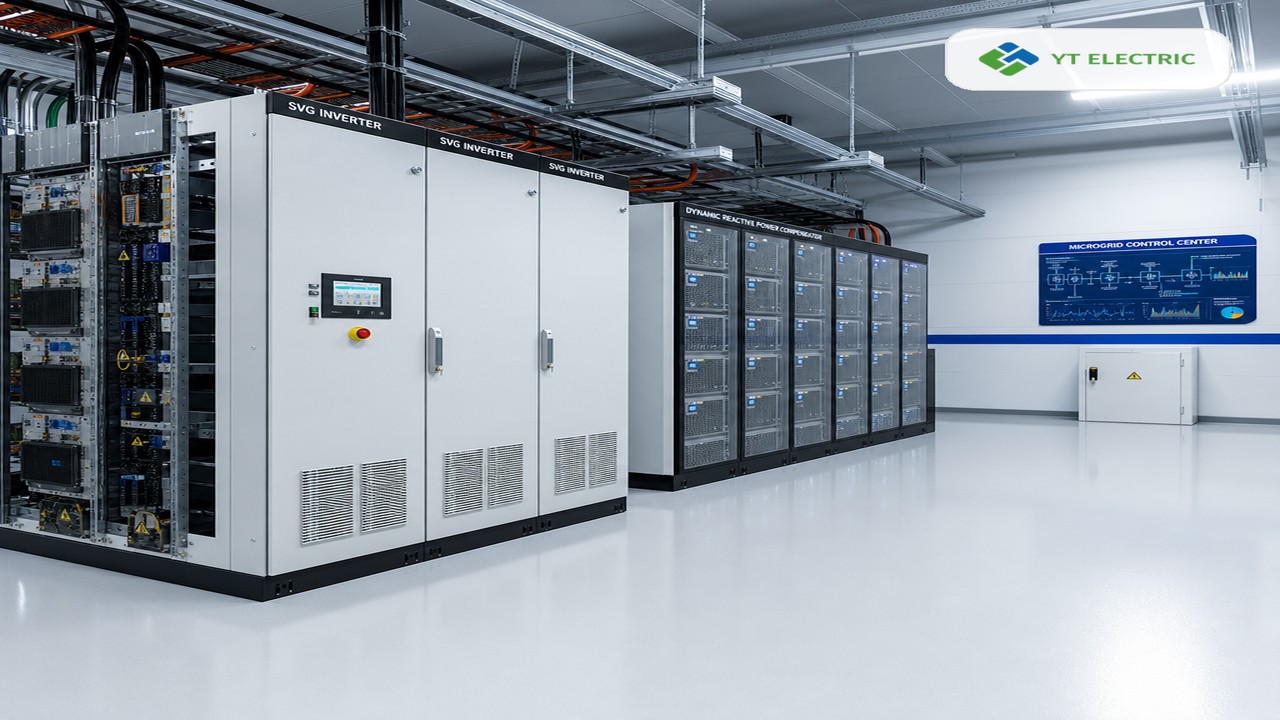
Ultra-Fast Sub-Cycle Reactive Power Compensation in Inverter-Dominated Renewable Microgrids & BESS Facilities Quick Engineering Answer: Inverter-dominated renewable microgrids and Battery Energy Storage System (BESS) installations suffer from low physical rotational inertia and rapid solar irradiance ramping ($> 50\%\text{ MW/s}$), causing severe voltage flicker, transient reactive imbalanc...
what are the effects of harmonics on electrical systems In the intricate realm of electrical engineering, harmonics emerge as a subtle yet influential phenomenon that can significantly impact the efficiency, reliability, and safety of electrical systems. These unwanted frequencies, riding alongside the fundamental power waveform, can wreak havoc on various components and overall system perf...
What is the active power compensator? Active Power Compensator (APC) is an advanced power electronic device used to manage and optimize the flow of active power in electrical power systems. It helps to enhance power quality, improve voltage stability, and increase the overall efficiency of the power distribution network. APCs are particularly useful in applications where there are significant fluc...
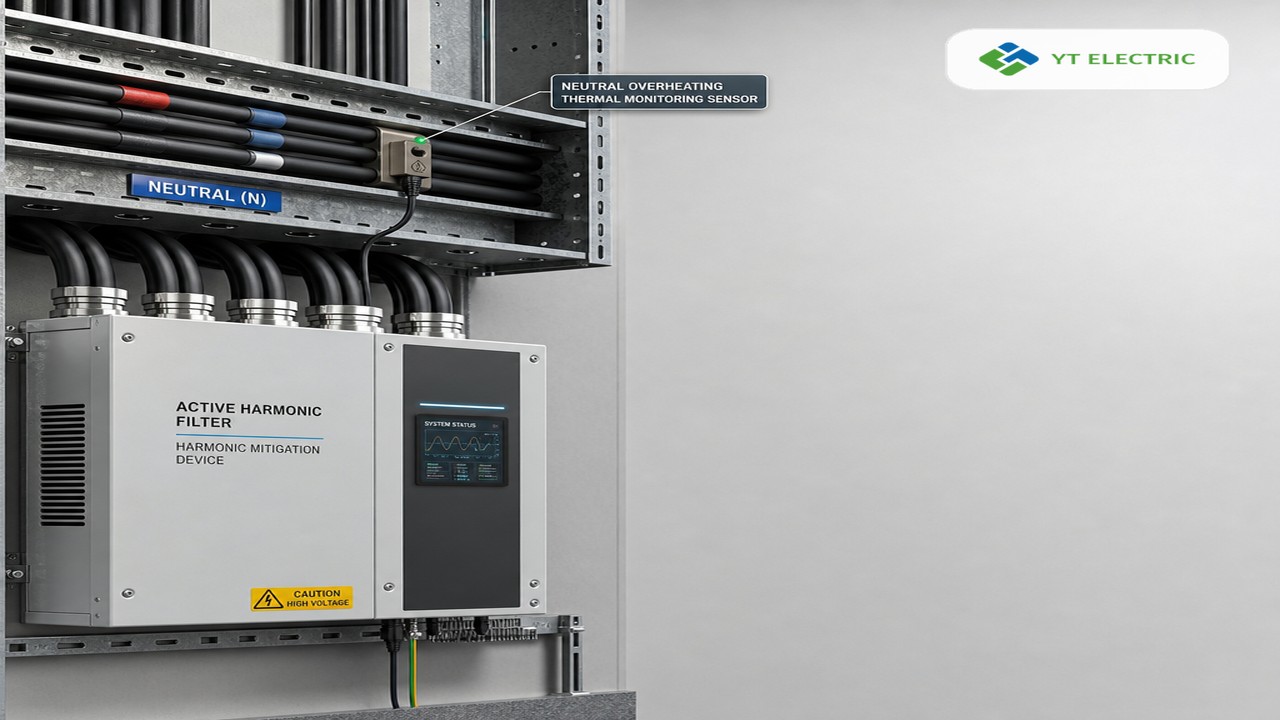
Mitigating Multi-Frequency Triplen Harmonics and Thermal Aging in Industrial Transformer Neutral Bushings Quick Engineering Answer: In industrial distribution substations supplying non-linear rectifiers, commercial lighting, and data center IT loads, circulating zero-sequence triplen harmonic currents (150 Hz, 450 Hz, 750 Hz) concentrate in the secondary neutral bushing of Dyn11 transformers. Due ...
Understanding the IEEE 519–2014 Standard for Harmonics The IEEE 519-2014 standard establishes criteria for voltage and current harmonics distortion in electrical system design. It provides detailed explanations of the existing voltage and current waveforms throughout the system and sets waveform distortion goals for system designers. The standard undergoes periodic updates to stay align...
Overview As regulatory authorities impose ever-stricter requirements for power quality, utilities increasingly want to know which customer is imposing harmonics and flicker on the utility power system. As a result, we are often asked if we can determine the “direction” of harmonic power flow, and what can be done about flicker. Harmonic Power Flow Harmonics, like fundamental frequencie...
What's effect of Static var generator on power factor? Effects of a Static Var Generator (SVG) on Power Factor A Static Var Generator (SVG), also known as a Static Synchronous Compensator (STATCOM), is a device used to provide dynamic reactive power compensation in electrical power systems. It plays a crucial role in improving the power factor, which is a measure of how effectively electrical powe...
CT position of SVG and and capacitor banks SVG (Static Var Generators) and capacitor bank can work together in a power system to provide a comprehensive solution for reactive power compensation and power quality improvement. Here’s how they can complement each other: Combined Use of SVG and Capacitor Banks 1. Complementary Functions Capacitor Banks: Provide bulk reactive power compensation. ...


 English
 français
 Deutsch
 español
 العربية
 中文




 IPv6 network supported