The determination of the appropriate compensation capacity is an absolutely crucial aspect in projects where the installation of reactive power compensation devices, such as capacitor banks, Static Var Generator (SVG), or Hybrid reactive power compensation devices, is imperative. For new projects: In new projects that are currently in the design stage, the required compensation capacity (kVAr) can...
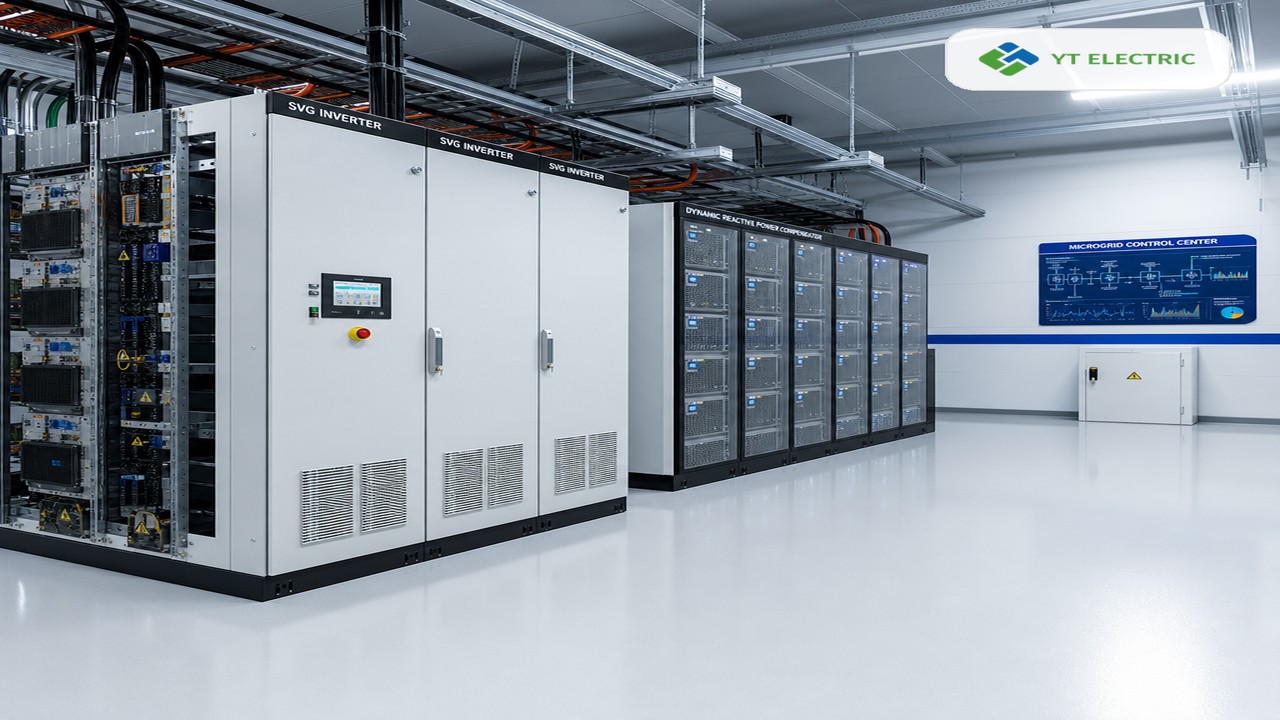
Grid Code Revolution: How Modern Inverter-Based Microgrids Force the Shift from Passive Capacitors to Fast Static Var Generators (SVG) Quick Engineering Answer: Modern international grid codes (such as IEEE 2800-2022, IEEE 1547-2018, and European EN 50549) require inverter-based microgrids, solar farms, and battery energy storage systems (BESS) to provide dynamic voltage regulation, zero-crossing ...
Introduction To Capacitors And Reactors Reactance includes inductive reactance and capacitive reactance, and reactor includes inductive reactance (inductor) and capacitive reactance (capacitor). Inductance has the function of blocking AC and blocking DC, that is, in the AC circuit, the characteristics of inductive reactance are used to pass low-frequency DC and block high-frequency AC. The capacit...
Ultra-Fast Sub-Cycle Reactive Power Compensation in Inverter-Dominated Renewable Microgrids & BESS Facilities Quick Engineering Answer: Inverter-dominated renewable microgrids and Battery Energy Storage System (BESS) installations suffer from low physical rotational inertia and rapid solar irradiance ramping ($> 50\%\text{ MW/s}$), causing severe voltage flicker, transient reactive imbalanc...
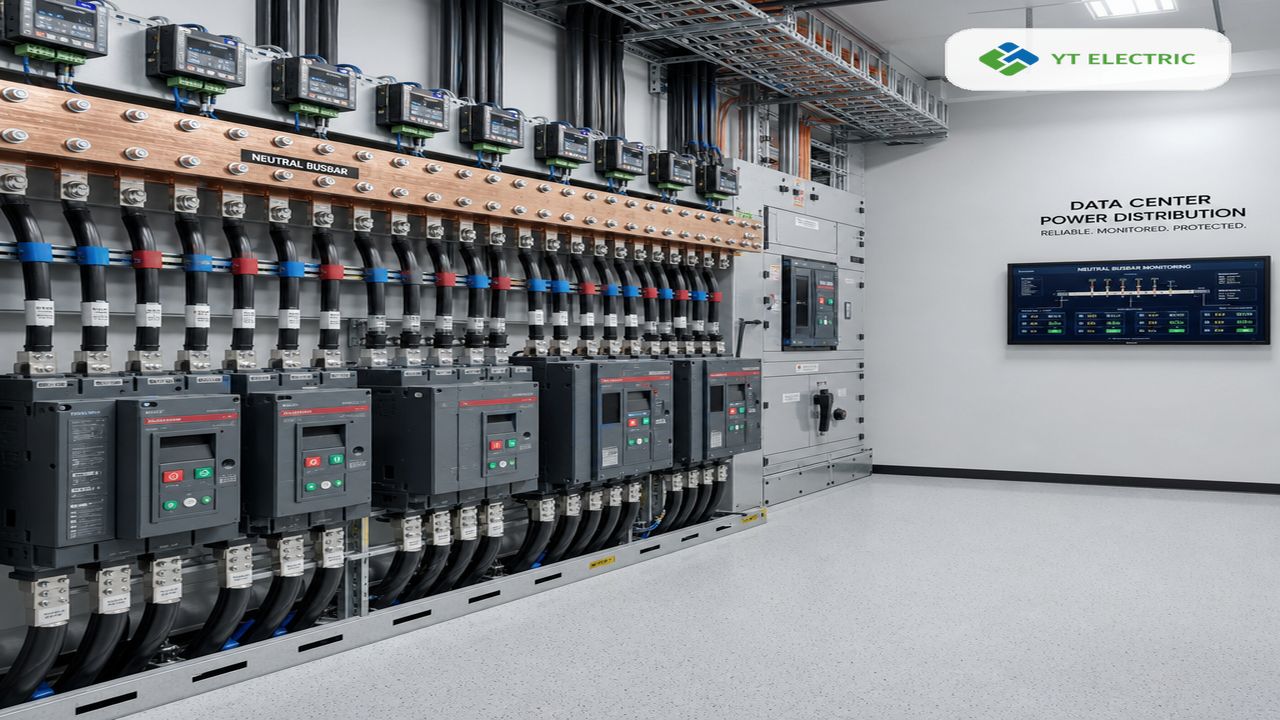
What Causes Excessive Neutral Line Current in Modern Commercial and Industrial Power Distribution Systems? Quick Engineering Answer: Excessive neutral line current in three-phase four-wire (3P4W) distribution systems is caused by two distinct physical mechanisms: (1) Linear Phase Load Unbalance ($I_N = I_A + I_B + I_C$), where unequal single-phase fundamental currents create a vector return curren...
What is the active power compensator? Active Power Compensator (APC) is an advanced power electronic device used to manage and optimize the flow of active power in electrical power systems. It helps to enhance power quality, improve voltage stability, and increase the overall efficiency of the power distribution network. APCs are particularly useful in applications where there are significant fluc...
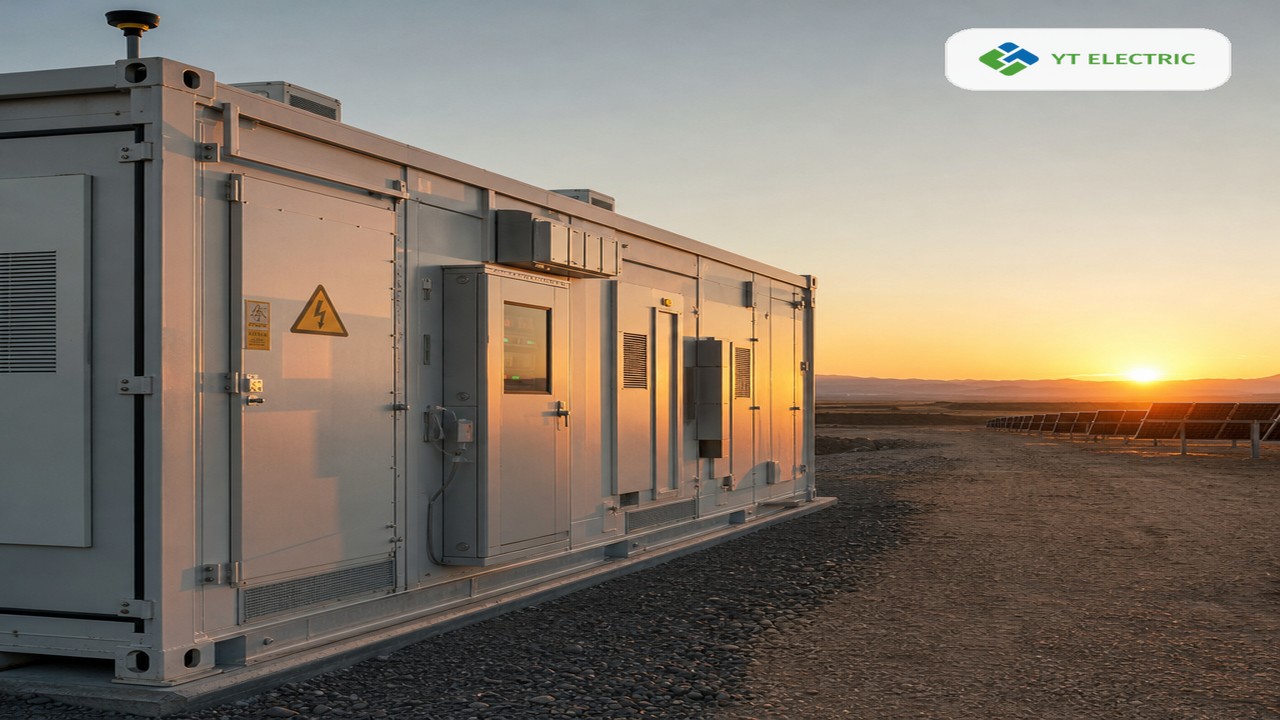
Why Dynamic Reactive Power Compensation is Mandatory on Utility-Scale Solar PV Farms: Grid Interconnection Engineering Guide Quick Engineering Answer: Dynamic reactive power compensation is mandatory on utility-scale solar photovoltaic (PV) farms to satisfy stringent utility grid interconnection codes (such as IEEE 2800, IEEE 1547, and ENTSO-E). Intermittent cloud cover creates rapid active power ...
kVAr and Amps in power quality Reactive Power (kVAR) Reactive power, measured in kilovolt-amperes reactive (kVAR), is the component of alternating current (AC) power that does not perform any actual work but is necessary for maintaining the voltage levels required for the active (real) power to do useful work. It is associated with the energy storage in inductive and capacitive elements of the pow...


 English
 français
 Deutsch
 español
 العربية
 中文




 IPv6 network supported