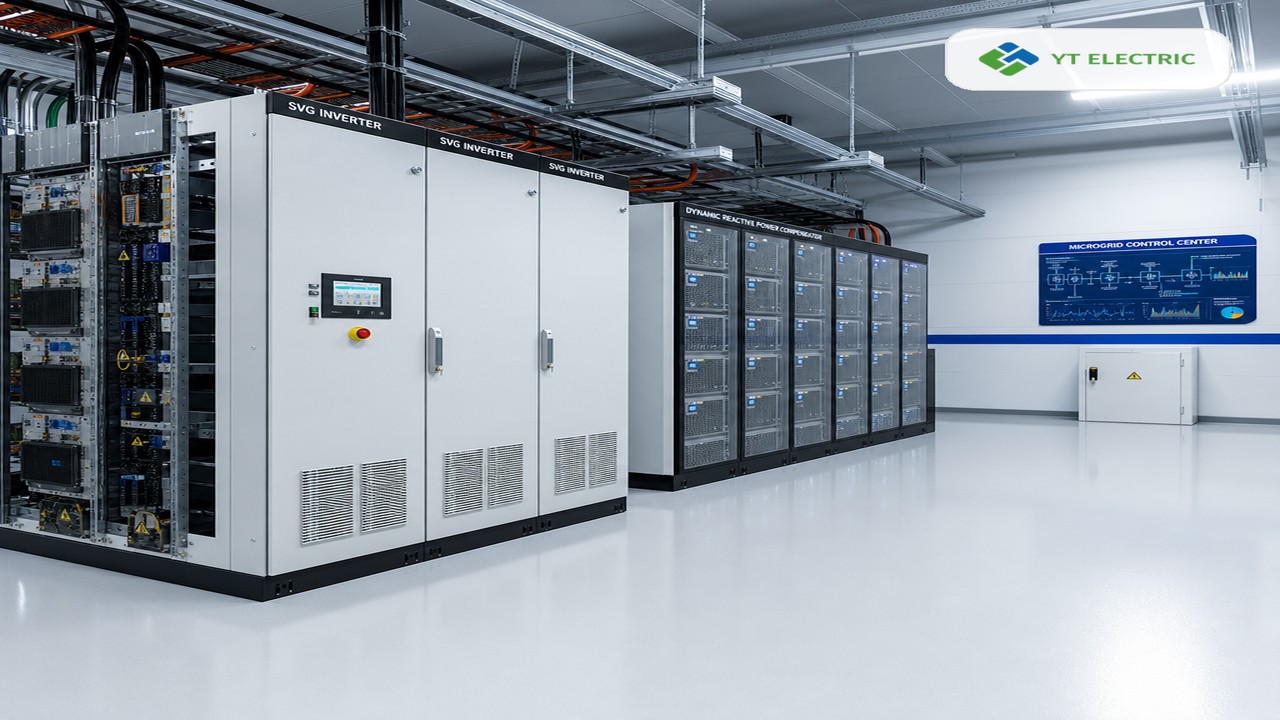
Ultra-Fast Sub-Cycle Reactive Power Compensation in Inverter-Dominated Renewable Microgrids & BESS Facilities Quick Engineering Answer: Inverter-dominated renewable microgrids and Battery Energy Storage System (BESS) installations suffer from low physical rotational inertia and rapid solar irradiance ramping ($> 50\%\text{ MW/s}$), causing severe voltage flicker, transient reactive imbalanc...
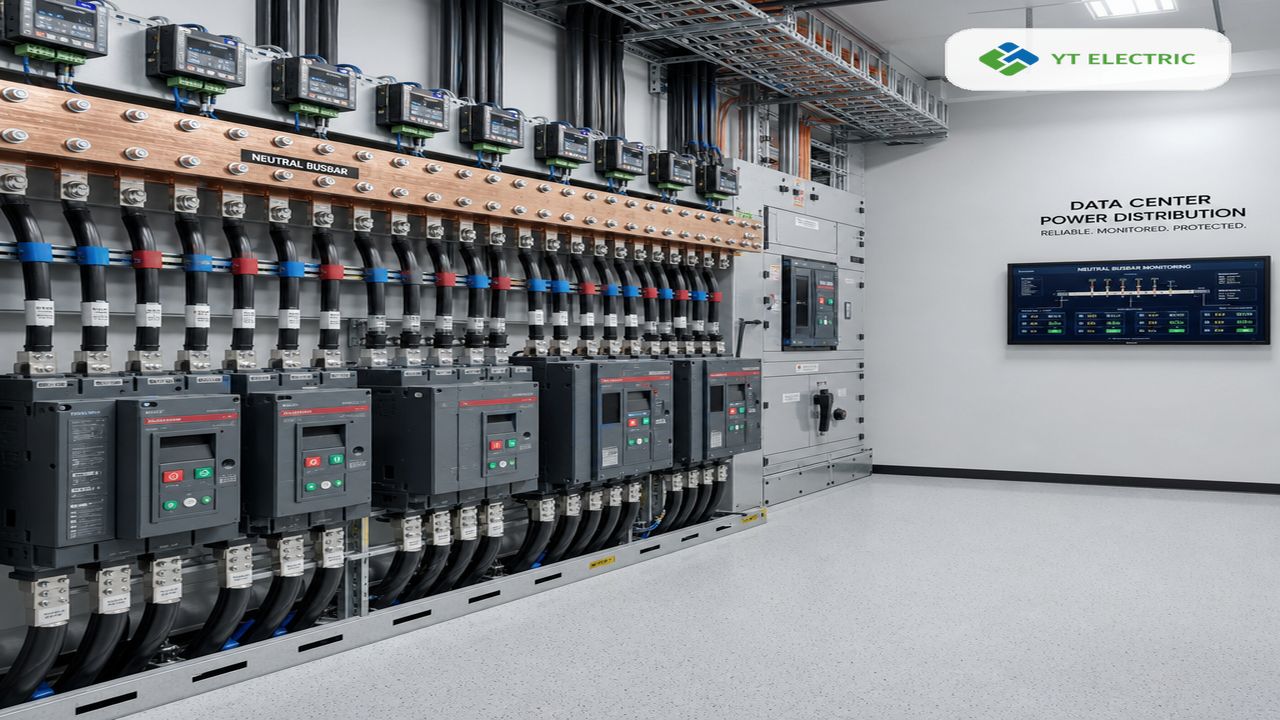
What Causes Excessive Neutral Line Current in Modern Commercial and Industrial Power Distribution Systems? Quick Engineering Answer: Excessive neutral line current in three-phase four-wire (3P4W) distribution systems is caused by two distinct physical mechanisms: (1) Linear Phase Load Unbalance ($I_N = I_A + I_B + I_C$), where unequal single-phase fundamental currents create a vector return curren...
What is the active power compensator? Active Power Compensator (APC) is an advanced power electronic device used to manage and optimize the flow of active power in electrical power systems. It helps to enhance power quality, improve voltage stability, and increase the overall efficiency of the power distribution network. APCs are particularly useful in applications where there are significant fluc...
How SVG compensation for leading reactive power? What kind of load is prone to generating leading power reactive power? Leading power factor conditions typically occur when a system has capacitive loads or a surplus of capacitive reactance over inductive reactance. Capacitive loads store energy in an electric field, unlike inductive loads that store energy in a magnetic field. When these lo...
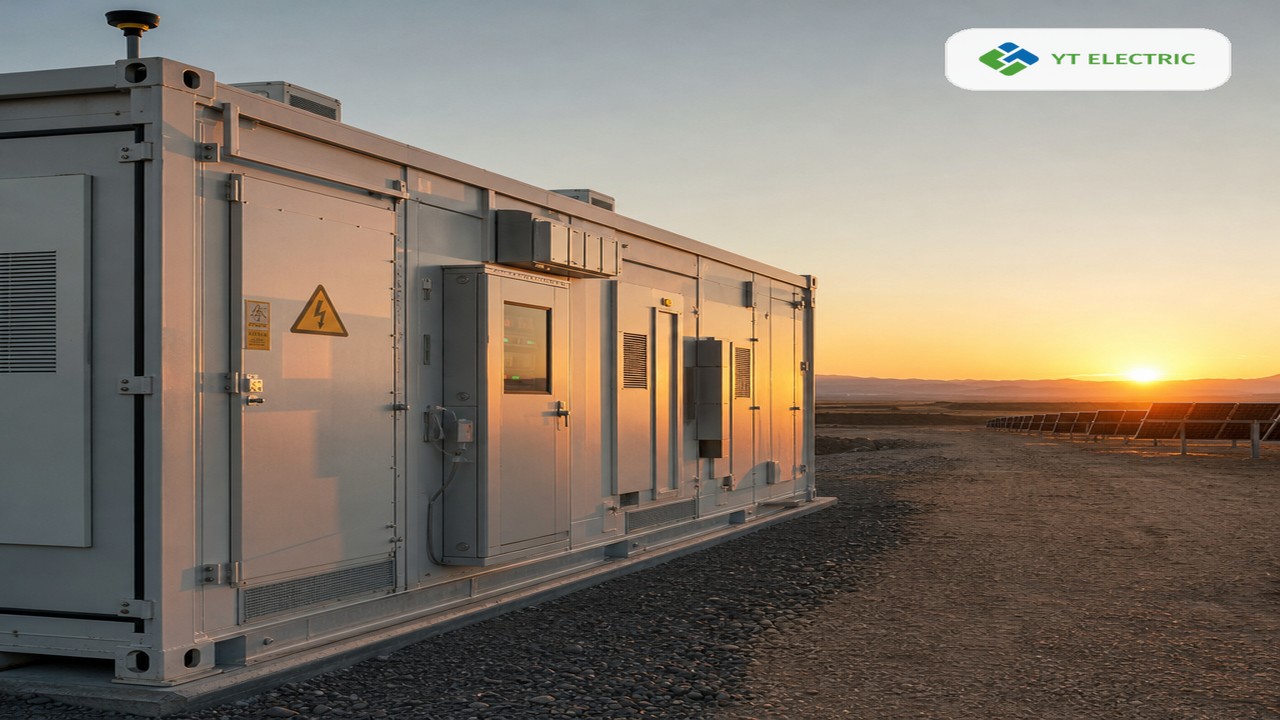
Why Dynamic Reactive Power Compensation is Mandatory on Utility-Scale Solar PV Farms: Grid Interconnection Engineering Guide Quick Engineering Answer: Dynamic reactive power compensation is mandatory on utility-scale solar photovoltaic (PV) farms to satisfy stringent utility grid interconnection codes (such as IEEE 2800, IEEE 1547, and ENTSO-E). Intermittent cloud cover creates rapid active power ...
kVAr and Amps in power quality Reactive Power (kVAR) Reactive power, measured in kilovolt-amperes reactive (kVAR), is the component of alternating current (AC) power that does not perform any actual work but is necessary for maintaining the voltage levels required for the active (real) power to do useful work. It is associated with the energy storage in inductive and capacitive elements of the pow...
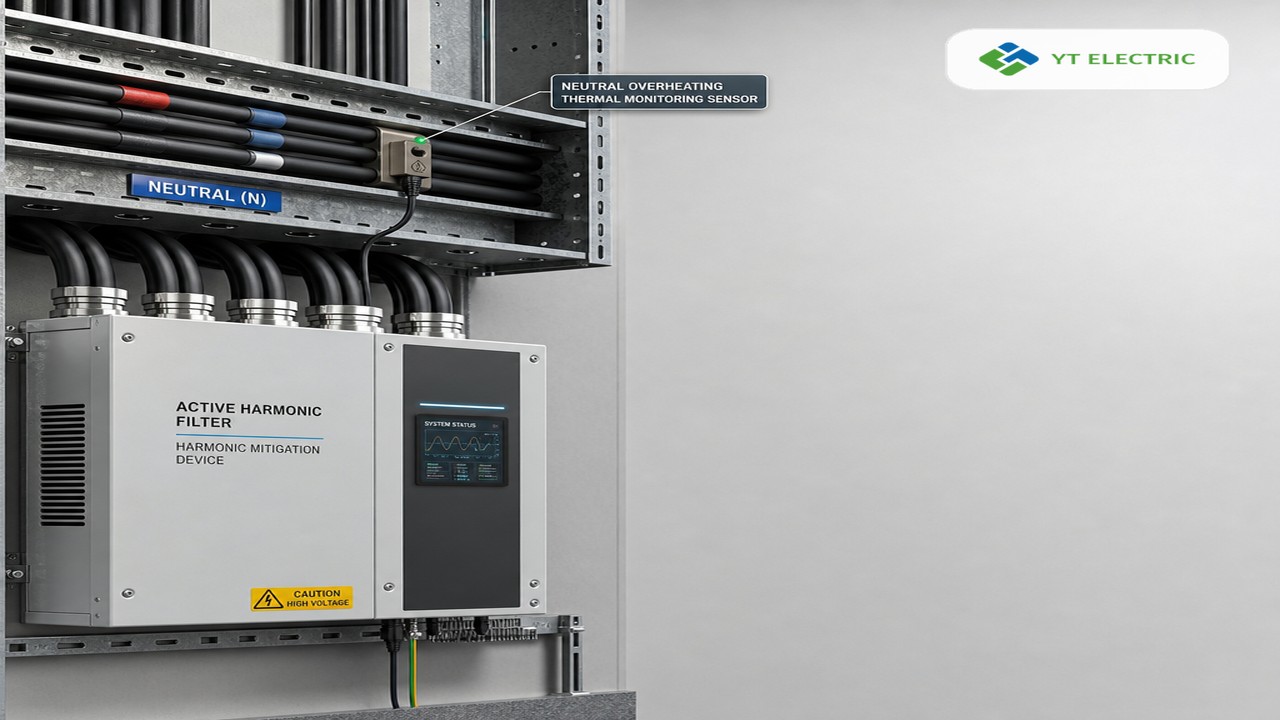
Mitigating Multi-Frequency Triplen Harmonics and Thermal Aging in Industrial Transformer Neutral Bushings Quick Engineering Answer: In industrial distribution substations supplying non-linear rectifiers, commercial lighting, and data center IT loads, circulating zero-sequence triplen harmonic currents (150 Hz, 450 Hz, 750 Hz) concentrate in the secondary neutral bushing of Dyn11 transformers. Due ...
Neutral Current and Single-Phase Loads Neutral current is an essential aspect to consider in electrical systems, especially when dealing with single-phase loads in a three-phase system. The presence of single-phase loads can lead to various issues related to N line current, impacting the overall power quality and safety of the system. Understanding N line Current in Systems with Single-Phase Loads...


 English
 français
 Deutsch
 español
 العربية
 中文




 IPv6 network supported