Power Factor and Reactive Power: The Hidden Cost on Your Electricity Bill Your electricity bill may be higher than it needs to be — not because you use more energy, but because of how you use it. The culprit is power factor, and it's one of the most overlooked opportunities in energy management. Active, Reactive and Apparent Power To understand power factor...
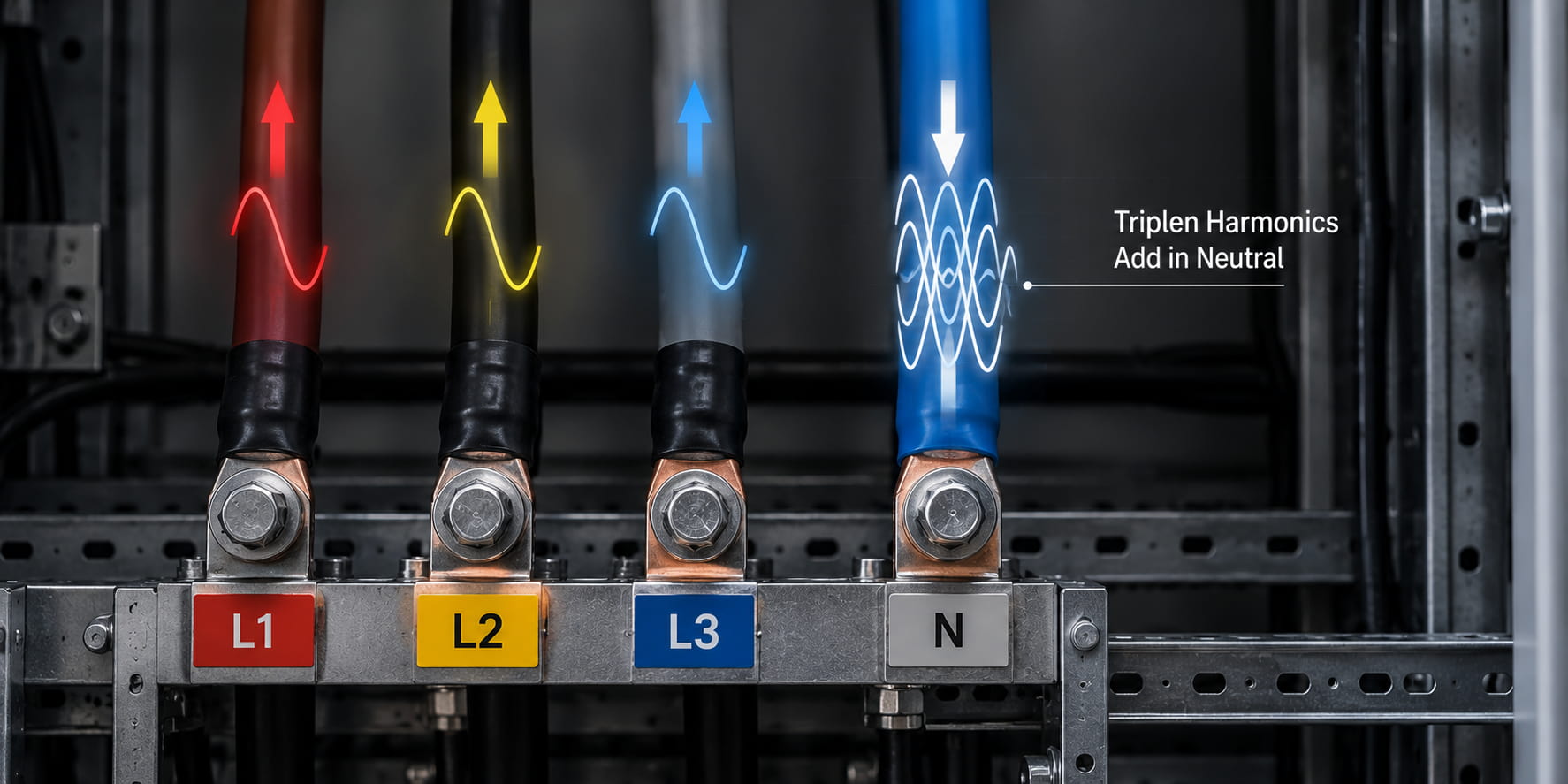
What Causes Neutral Current in Three-Phase Systems? In a theoretically balanced three-phase four-wire (3 ext{P}4 ext{W}) electrical distribution network supplying purely linear loads, phase currents are separated by 120° electrical phase angles, summing vectorially to zero at the star point (I<sub>N</sub> = I_A + I_B + I_C = 0). In modern real-world facilities—such as AI hype...
Powering the Modern Plant: A Practical Guide to Power Quality Control Every electrical engineer has a war story about "dirty power." A production line that trips for no apparent reason. A drive that fails every few months. A utility bill with mysterious demand charges. A server room where the UPS alarms at 2 a.m. In nearly every case, the root cause is not a single failed component b...
What Causes Voltage Unbalance in Three-Phase Systems: Root Causes, Motor Derating Physics, and Dynamic SVG Mitigation Quick Engineering Answer: Voltage unbalance in three-phase power systems is caused by unequal distribution of single-phase loads, untransposed distribution lines, blown capacitor fuses, and asymmetrical non-linear industrial equipment. According to NEMA MG-1 and IEC 61000-2-4 stand...
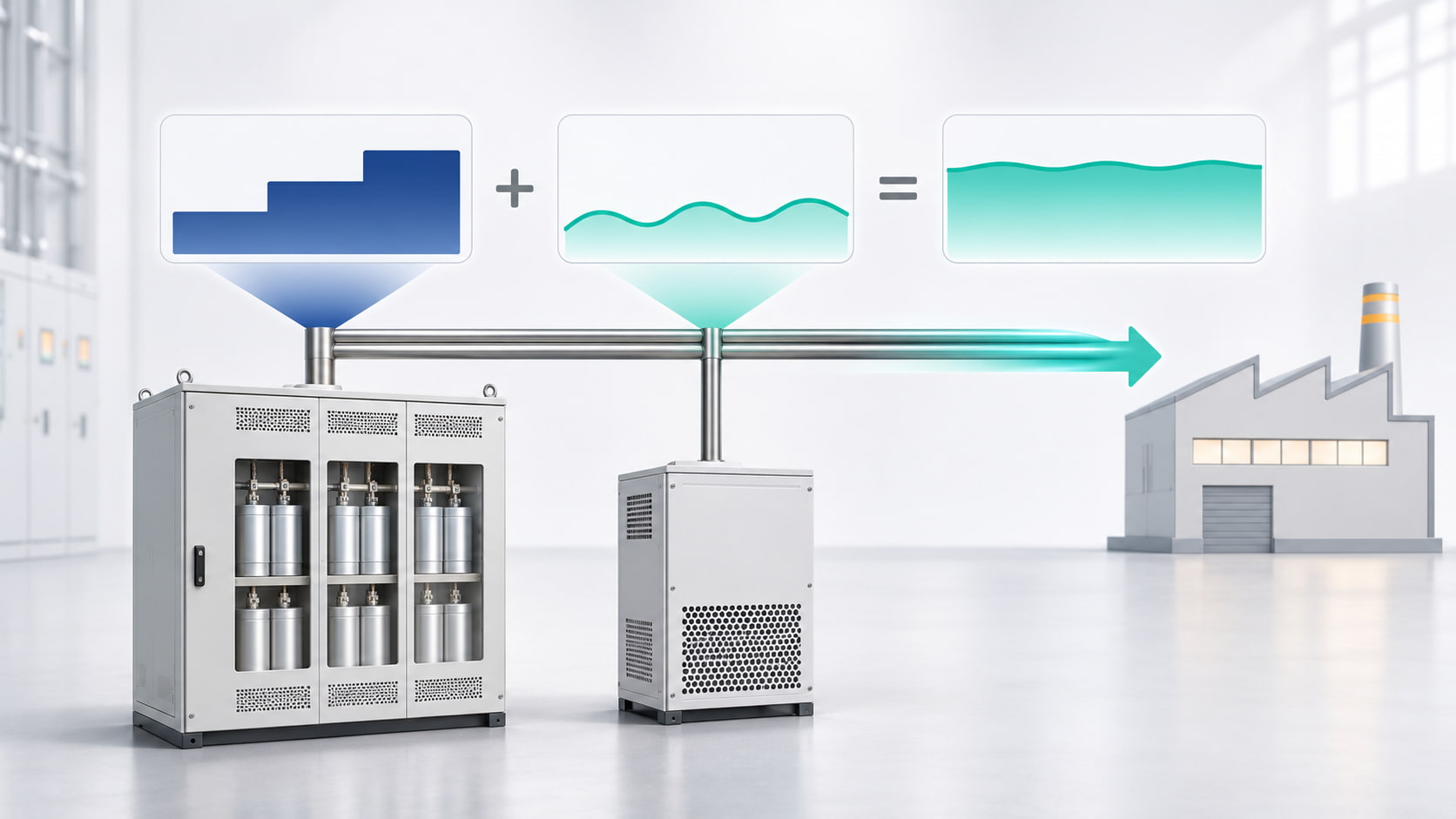
How to Size an SVG for an Existing Capacitor Bank: A Practical Hybrid PFC Guide An existing capacitor bank provides economical bulk reactive power but may struggle with rapidly changing loads, uneven phases, or coarse steps. Adding a Static Var Generator (SVG) can close this gap without replacing useful equipment. The SVG should not automatically match the facility’s entire reactive demand. ...


 English
 français
 Deutsch
 español
 العربية
 中文




 IPv6 network supported

