Ultra-high harmonic detection in distribution networks relies on advanced technologies designed to measure and analyze harmonics beyond the conventional limits. Here are some key technologies used for ultra-high harmonic detection: Wideband Spectrum Analysis: This technology involves using wideband spectrum analyzers capable of analyzing frequencies well beyond the conventional range to detect and...
Power quality management in distributed photovoltaic (PV) refers to the measures and strategies employed to ensure the reliable and efficient operation of PV systems while maintaining the quality of electrical power supplied to the grid. Here are some key aspects of power quality management in distributed photovoltaic: Voltage Regulation: PV systems can introduce voltage fluctuations due to the in...
The relationship between capacitors and harmonics is very close, especially in power systems. The use of capacitors can affect the generation and propagation of harmonics, and are also easily affected by harmonics, leading to reduced performance or damage. Harmonic amplification In the power system, capacitors have a lower impedance to harmonics, so harmonic currents tend to flow through th...
The peak and effective value of harmonics When discussing the peak of harmonic currents, it's essential to first understand the fundamentals of harmonics. The effective value (RMS value) of a harmonic describes the average power of the harmonic component over one period, reflecting the equivalent extent to which the harmonic causes heating effects in the system. However, the peak of a harmonic (th...
The harm of harmonics to power capacitors mainly includes the following aspects 1. Overcurrent and Overload -Harmonics can cause distortion of voltage and current at the capacitor terminals, especially at specific harmonic frequencies, where capacitors resonate with inductive components in the system, resulting in significant amplification of harmonic currents. Excessive harmonic current causes th...
what are the effects of harmonics on electrical systems In the intricate realm of electrical engineering, harmonics emerge as a subtle yet influential phenomenon that can significantly impact the efficiency, reliability, and safety of electrical systems. These unwanted frequencies, riding alongside the fundamental power waveform, can wreak havoc on various components and overall system perf...
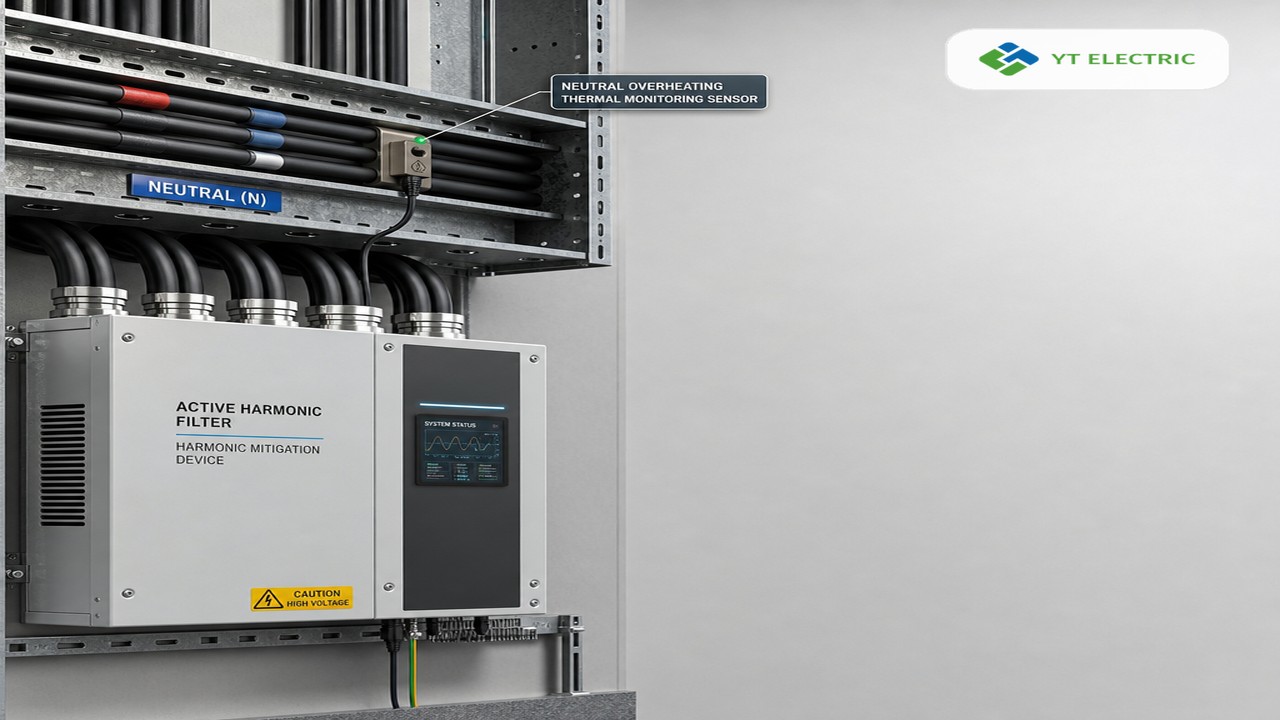
Mitigating Multi-Frequency Triplen Harmonics and Thermal Aging in Industrial Transformer Neutral Bushings Quick Engineering Answer: In industrial distribution substations supplying non-linear rectifiers, commercial lighting, and data center IT loads, circulating zero-sequence triplen harmonic currents (150 Hz, 450 Hz, 750 Hz) concentrate in the secondary neutral bushing of Dyn11 transformers. Due ...
Understanding the IEEE 519–2014 Standard for Harmonics The IEEE 519-2014 standard establishes criteria for voltage and current harmonics distortion in electrical system design. It provides detailed explanations of the existing voltage and current waveforms throughout the system and sets waveform distortion goals for system designers. The standard undergoes periodic updates to stay align...


 English
 français
 Deutsch
 español
 العربية
 中文




 IPv6 network supported

