As cities globally grapple with mounting waste volumes, incineration power generation offers a dual solution—waste reduction and clean energy. Yet, the complex electrical loads from machinery like carding systems, needle acupuncture units, and non-woven ovens introduce disruptive harmonics that undermine efficiency. These distortions manifest as overheated transformers, melted fuses, and pre...
Modern industrial operations rely heavily on a steady, clean supply of electricity. The integrity of this power supply is constantly challenged by the proliferation of non-linear loads like variable frequency drives (VFDs), LED lighting systems, and server power supplies, all of which introduce complex harmonic distortions into the grid. These distortions can lead to devastating consequences, incl...
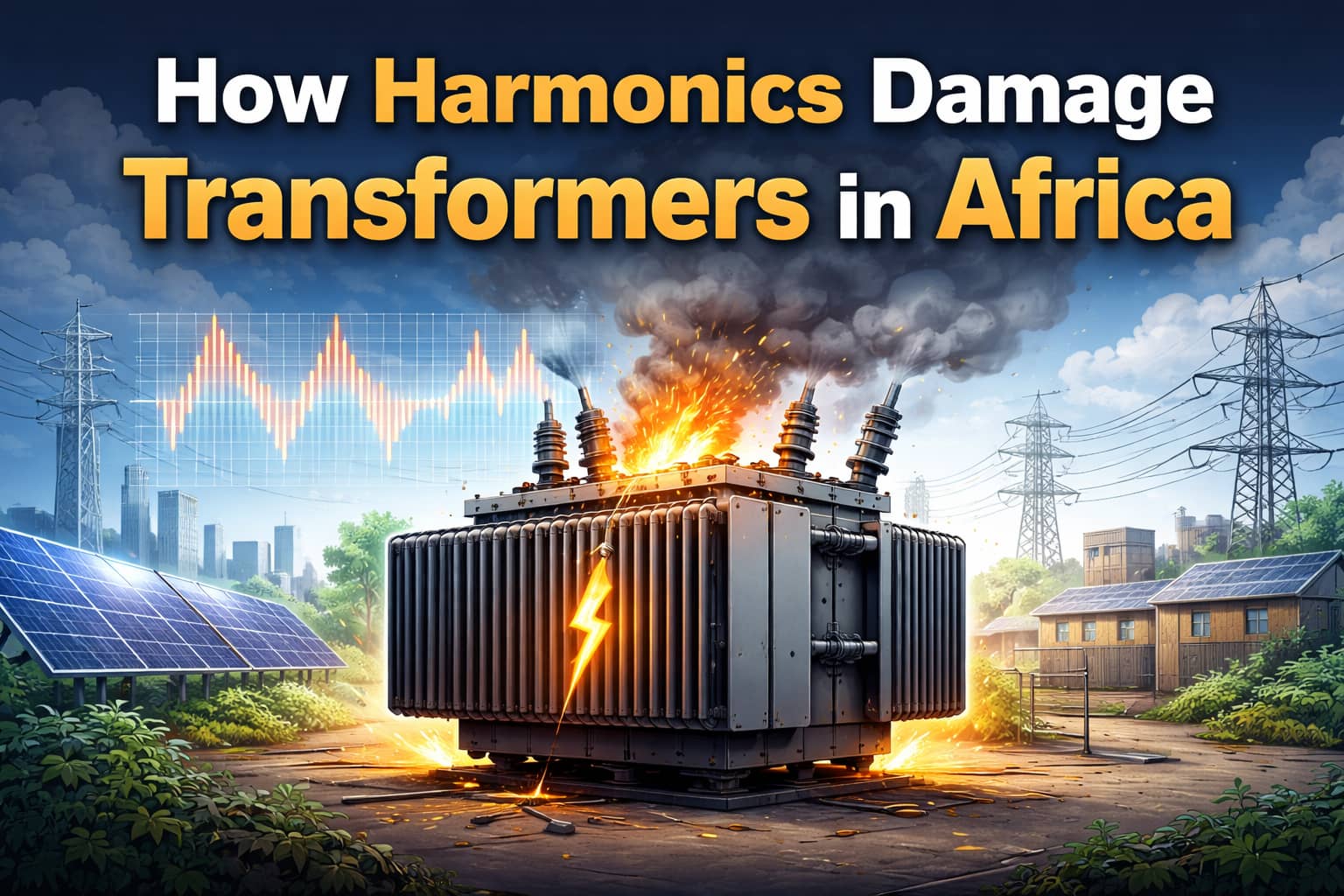
Power quality is a growing issue in Africa. Many sites now use solar inverters, VFDs, battery systems, UPS units, and LED lighting. These loads improve efficiency, but they also create harmonic currents and reactive power problems. This is one reason harmonics damage transformers in modern facilities. In many African industrial power systems, transformers carry the stress of the whole network. Whe...
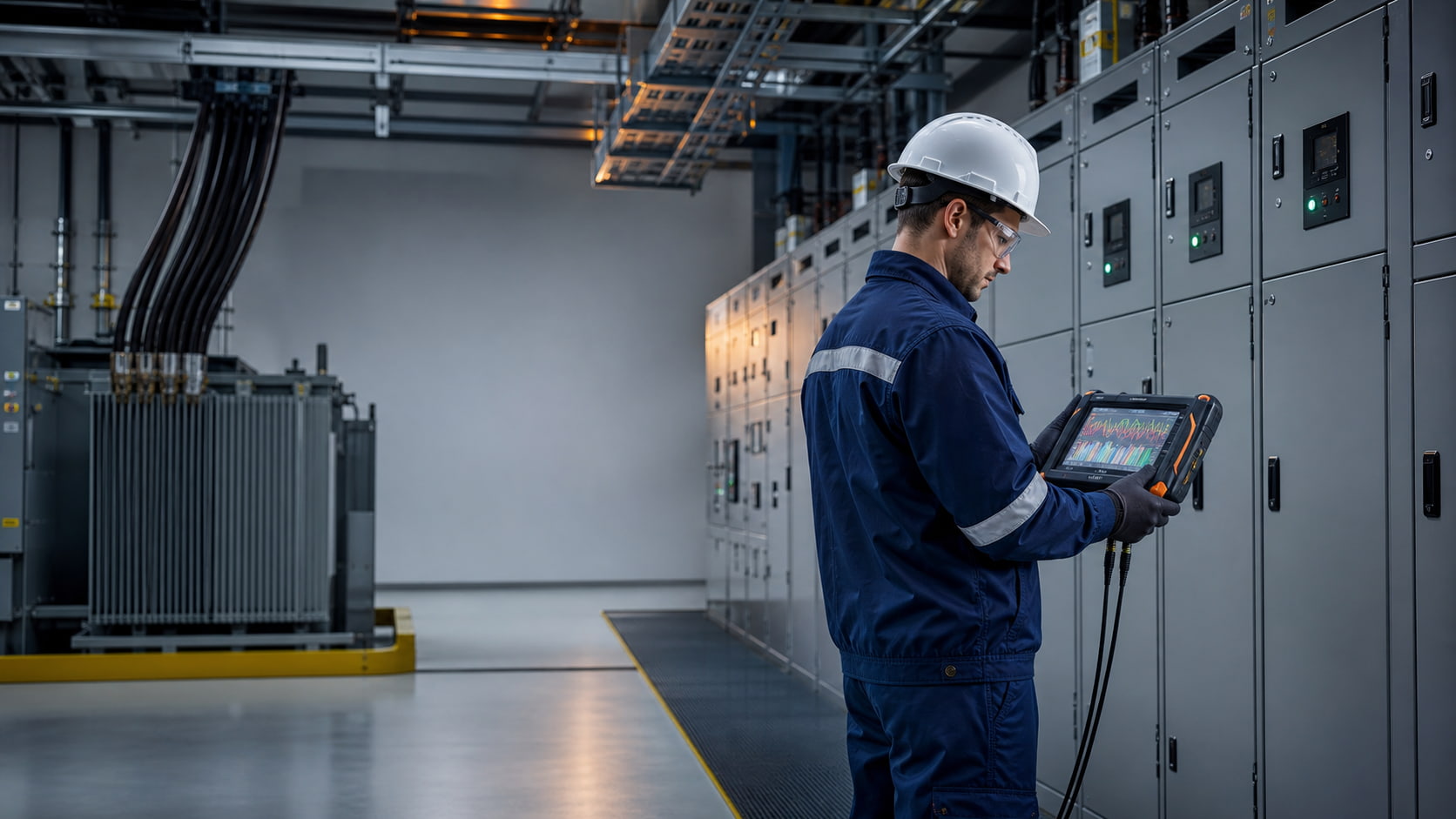
How to Reduce Electrical Losses in Industrial Power Systems Electrical losses raise operating costs, heat cables and transformers, and reduce available system capacity. They usually result from conductor resistance, inefficient loading, poor power factor, harmonic currents, and aging equipment. To reduce electrical losses in industrial power systems, engineers need accurate measurements, correct e...
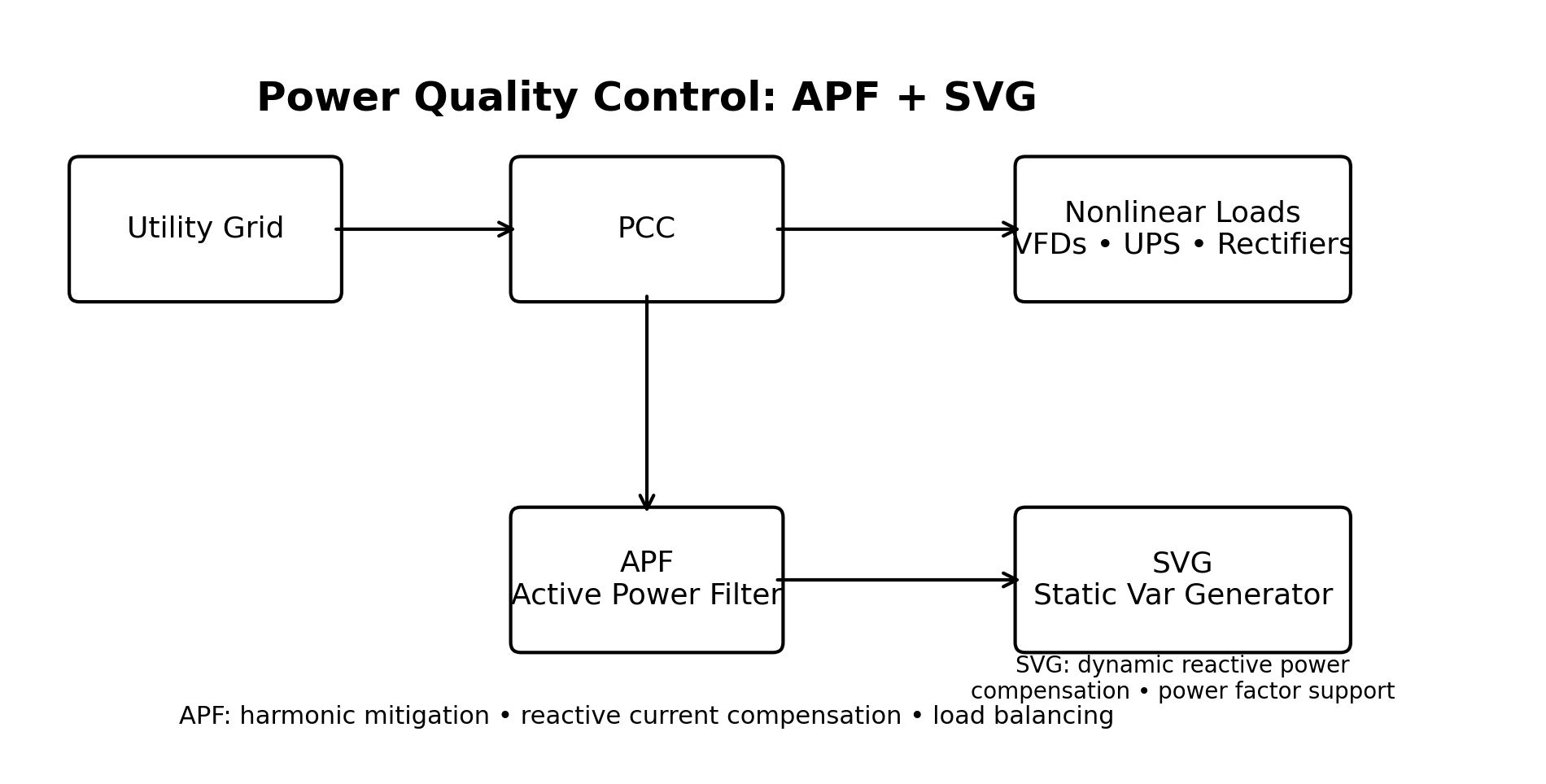
Power Quality Control: How APF and SVG Improve Modern Electrical Systems Introduction: Why Power Quality Matters More Than Ever As modern industrial and commercial facilities become increasingly dependent on power electronics, power quality has become a critical factor in electrical system reliability, energy efficiency, and equipment protection. Variable frequency drives (VFDs), UPS...


 English
 français
 Deutsch
 español
 العربية
 中文
中文



 IPv6 network supported