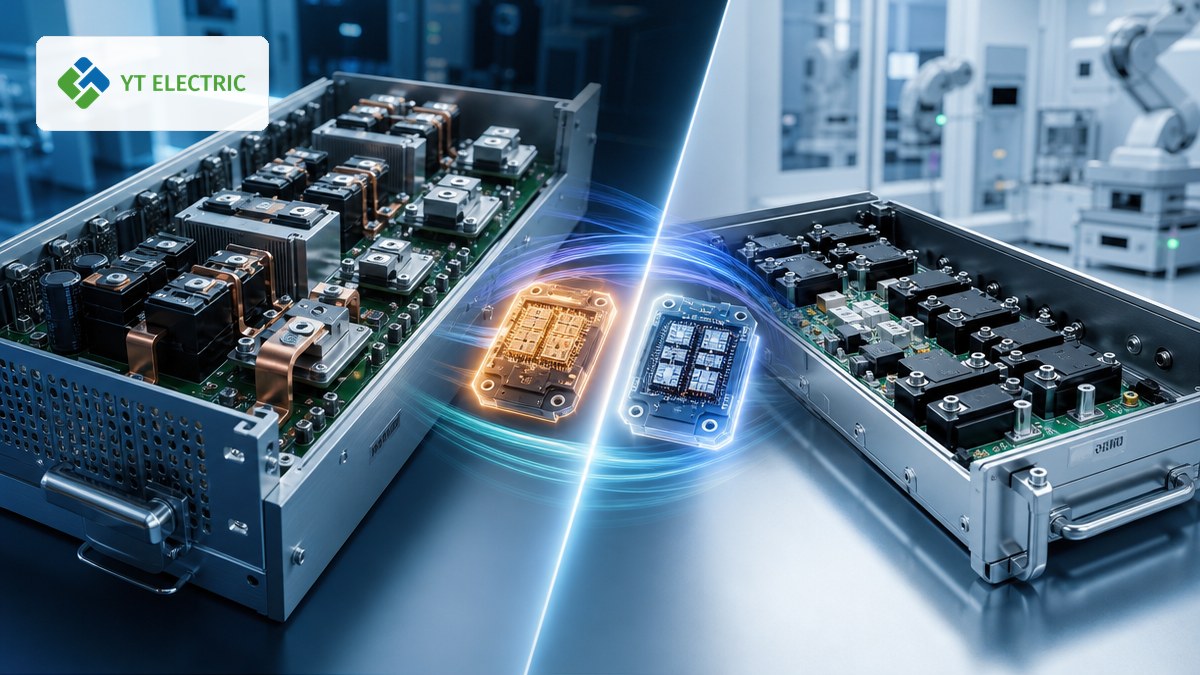
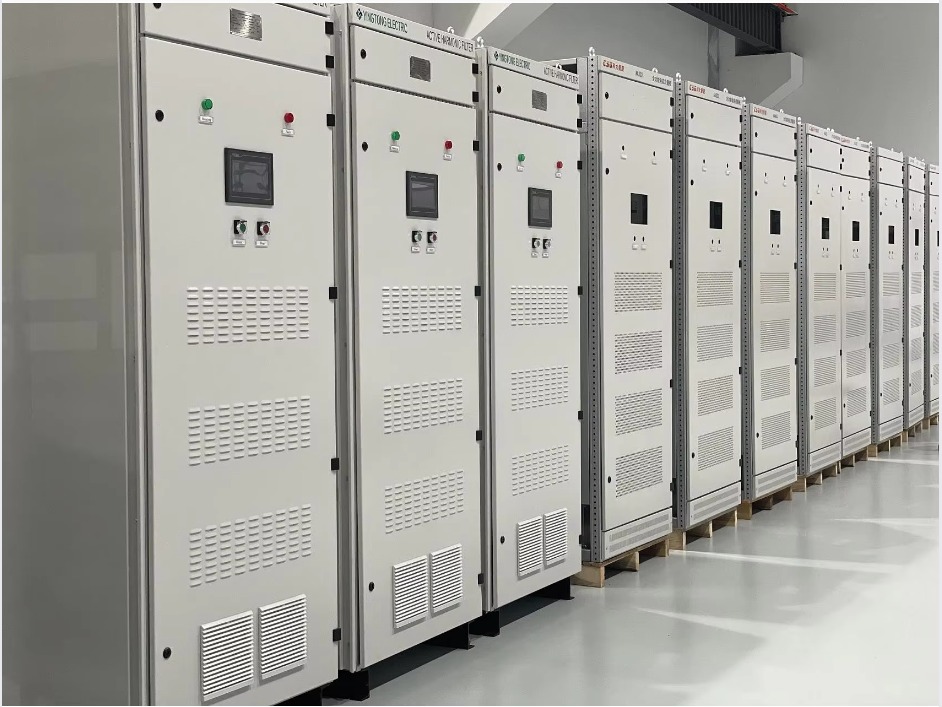
Silicon Carbide (SiC) MOSFET Active Harmonic Filters: Next-Generation Physics, Efficiency, and High-Frequency Distortion Mitigation Quick Engineering Answer: Wide-Bandgap (WBG) Silicon Carbide (SiC) power semiconductors represent the most significant technological leap in power electronic filtering since the introduction of the IGBT. By enabling switching frequencies exceeding 50 kHz to 100 kHz (c...
How to Reduce Electrical Losses in Industrial Power Systems Electrical losses raise operating costs, heat cables and transformers, and reduce available system capacity. They usually result from conductor resistance, inefficient loading, poor power factor, harmonic currents, and aging equipment. To reduce electrical losses in industrial power systems, engineers need accurate measurements, correct e...
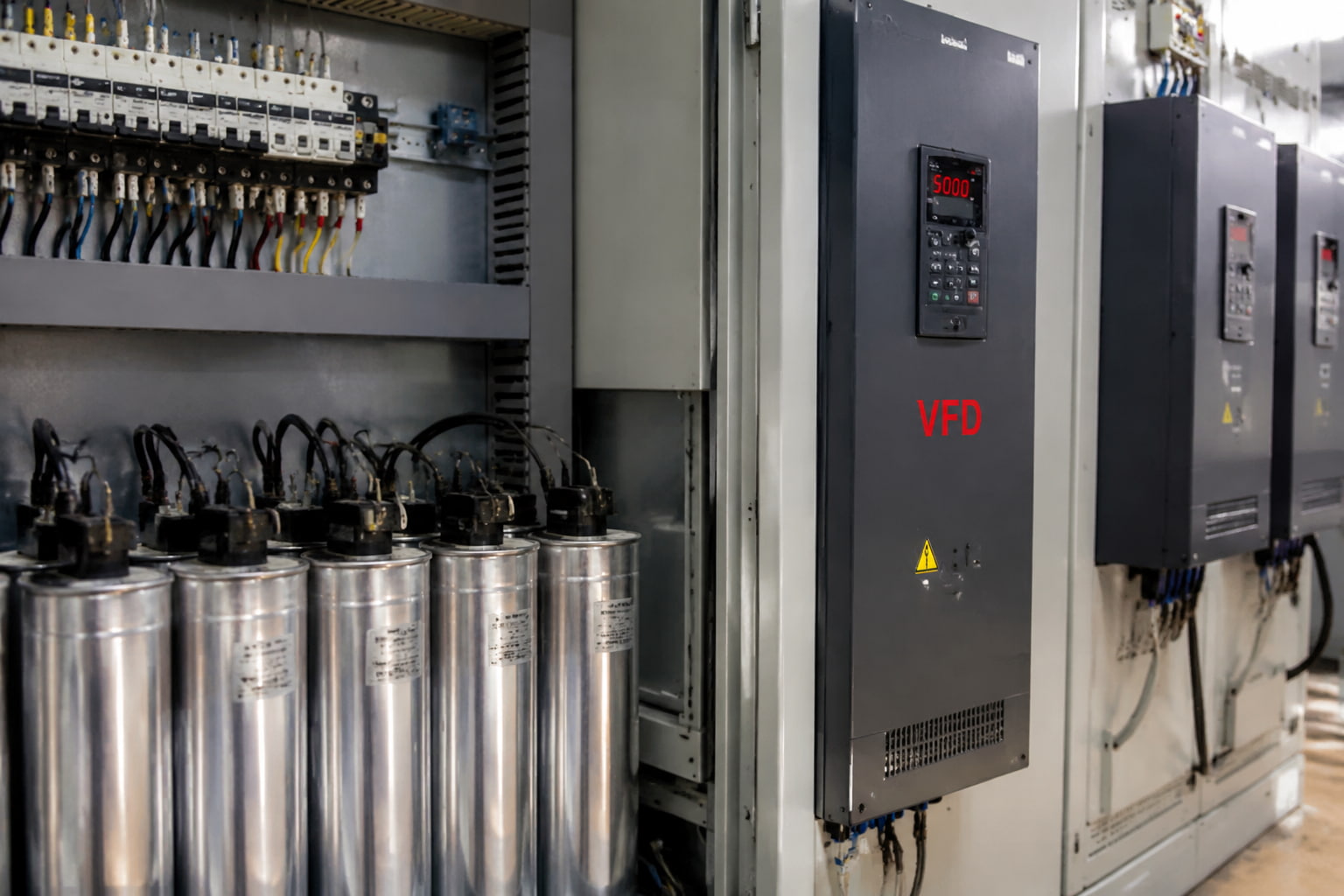
How Variable Frequency Drives Create Power Quality Problems Variable frequency drives (VFDs) are widely used in modern industrial systems because they improve motor control, reduce energy consumption, and increase production efficiency. However, as more facilities install VFD systems, VFD power quality problems are becoming a major concern. A variable frequency drive is a nonlinear load that chang...
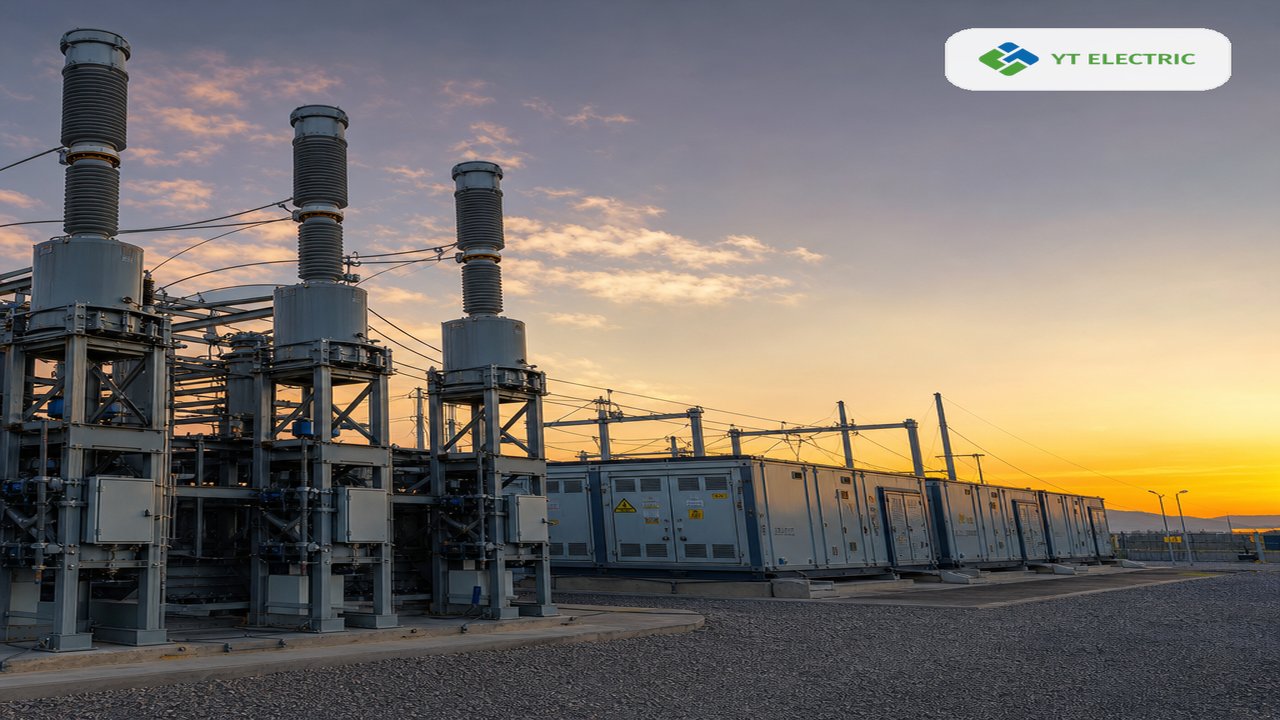
Static Var Generator (SVG) for Dynamic Power Factor Correction: The Definitive Engineering Sizing Guide Quick Engineering Answer: A Static Var Generator (SVG) is an active power electronics inverter utilizing high-speed IGBT switches to dynamically generate or absorb reactive power (kVAr) continuously across both lagging (inductive) and leading (capacitive) regimes. Unlike legacy electromechanical...
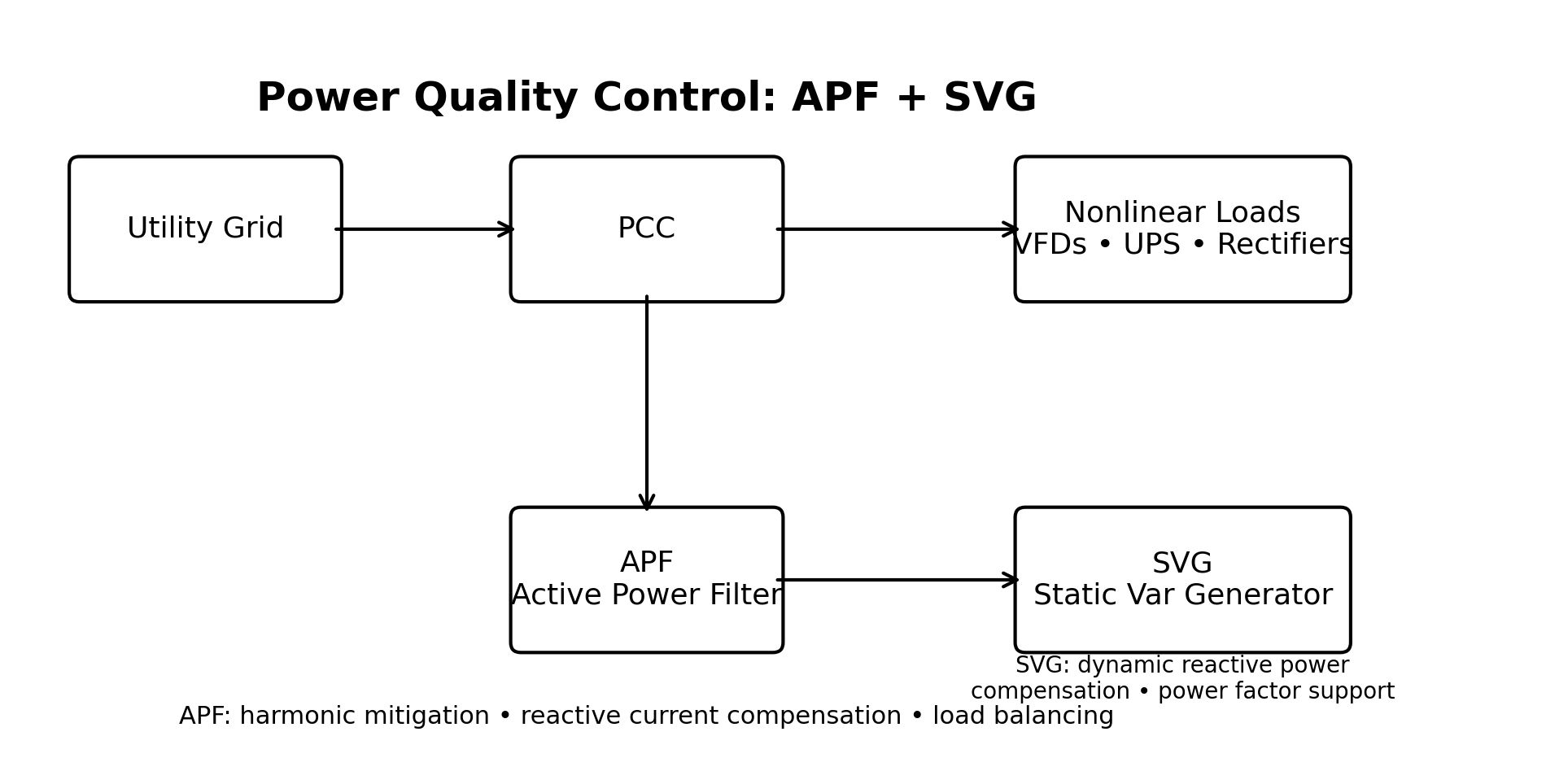
Power Quality Control: How APF and SVG Improve Modern Electrical Systems Introduction: Why Power Quality Matters More Than Ever As modern industrial and commercial facilities become increasingly dependent on power electronics, power quality has become a critical factor in electrical system reliability, energy efficiency, and equipment protection. Variable frequency drives (VFDs), UPS...
SVG for Reactive Power Compensation in Industrial Plants A shovel line that punished the capacitor bank A copper mine in Chile ran an 800 kW electric shovel with 1.2 MW peaks on a 690 V bus. Voltage flicker (Pst) measured 1.6 against the 1.0 limit, and the contactor-switched capacitor bank cycled more than 200 times per day. Contactors failed every seven months, and the site p...
Poor power quality rarely appears as its own line on an electricity bill, but it can raise the charges a facility already pays by increasing current, losses and power-factor or demand penalties. When a bill climbs the tariff is blamed first — yet low power factor, harmonic distortion and voltage imbalance make a plant draw more current than the useful work it produces requires. This article ...
Power Factor and Reactive Power: The Hidden Cost on Your Electricity Bill Your electricity bill may be higher than it needs to be — not because you use more energy, but because of how you use it. The culprit is power factor, and it's one of the most overlooked opportunities in energy management. Active, Reactive and Apparent Power To understand power factor...


 English
 français
 Deutsch
 español
 العربية
 中文





 IPv6 network supported

