Power Quality Solutions in KSA: Opportunities for SVG&AHF Saudi Arabia’s ambitious NEOM project is transforming the landscape of the Kingdom’s infrastructure, making it a key focal point for global investment and technological innovation. At the heart of this visionary endeavor is the drive for sustainability and cutting-edge development, creating vast opportunities in various sect...
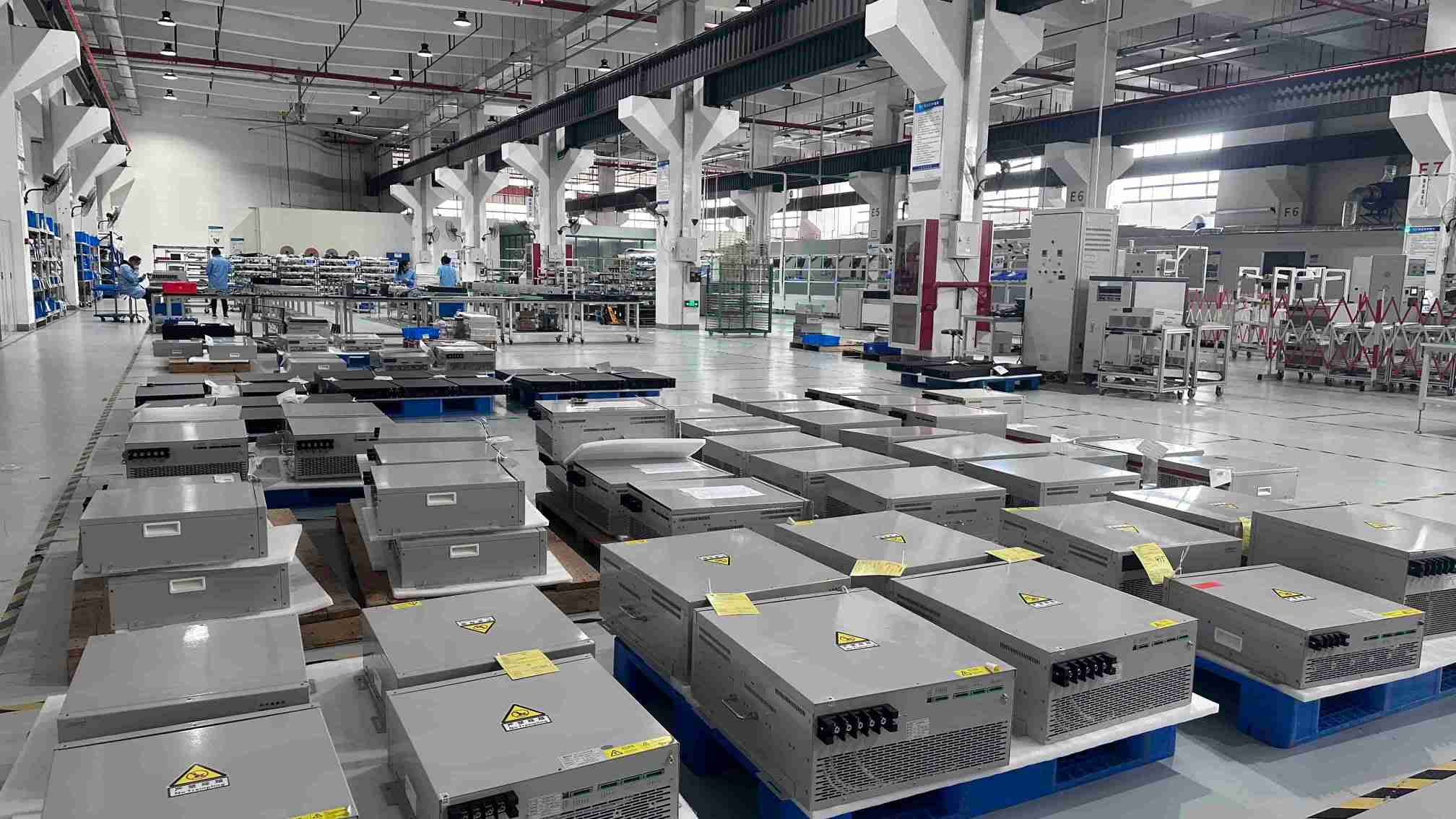
China has established itself as a global leader in manufacturing across numerous industries, including the development of advanced electrical and electronic systems. Active Harmonic Filters (AHFs) are a critical component in modern electrical networks, helping to improve power quality by mitigating harmonic distortion, reducing energy losses, and ensuring compliance with international standards. B...
Quick answer: 50 Hz and 60 Hz mean 50 and 60 alternating-current cycles per second, respectively. Equipment marked 50/60 Hz can generally use either frequency when the supply meets its voltage and phase requirements. If the equipment requires a different supply frequency, use a suitably rated frequency converter. A standard transformer changes voltage at the same frequency. Many countries in Europ...
As industries across the globe strive towards decarbonization, the steel sector is undergoing a significant transformation. The shift from traditional fossil-fuel-based steel production to more sustainable, electrified methods—commonly known as “Green Steel” production—has the potential to significantly reduce the carbon footprint of this crucial industry. However, with thi...
Why Poor Power Quality Prevents Industrial Growth: The Hidden CapEx, OpEx, and Downtime Costs Quick Engineering Answer: Poor power quality—specifically harmonic distortion (THDi > 15%), voltage sags (< 0.9 p.u.), and phase unbalance (> 2%)—directly bottlenecks industrial growth by inflating operating expenditures (OpEx) by 4% to 12% in wasted energy losses, consuming up to 30%...
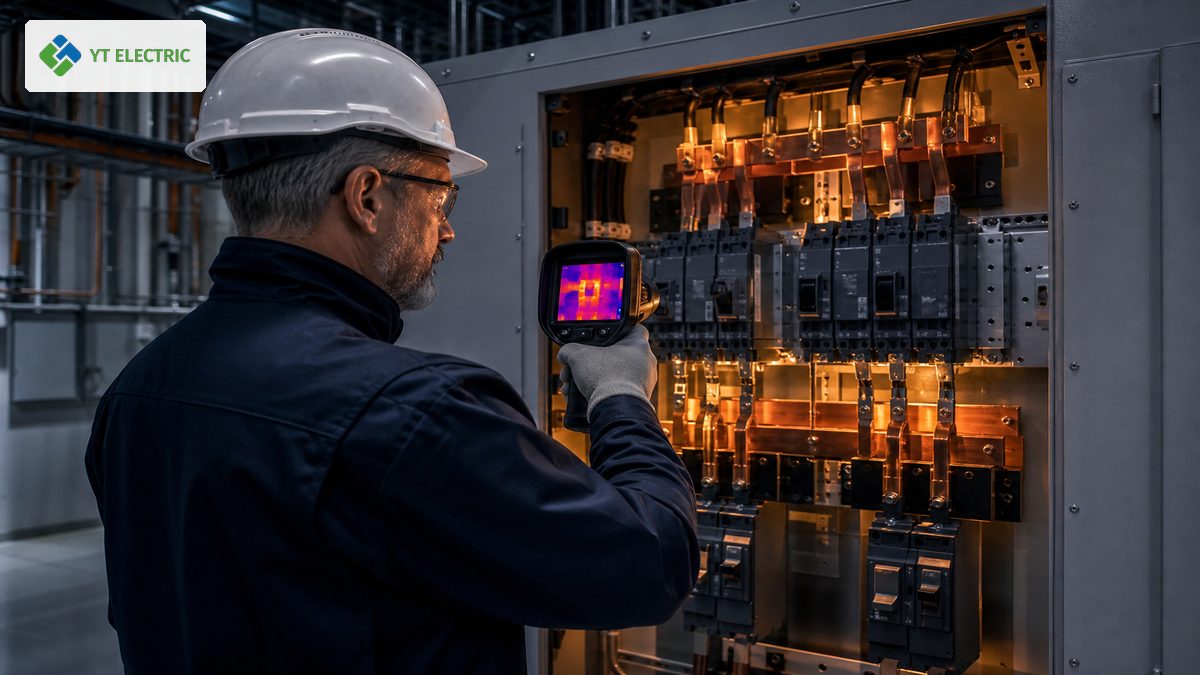
How to Measure Power Quality Efficient energy use is a key goal for organizations and institutions that generate, transmit, and distribute electricity. Improving efficiency requires better power quality, otherwise, it can harm electrical systems. Measuring power quality is essential to identify and fix these issues. Accurate measurements from correct points are critical. I. Introduction Mos...
Introduction Power quality refers to the characteristics of electric power supplied to end users, particularly its ability to ensure the proper functioning of electrical devices. With the increasing use of sensitive equipment such as programmable logic controllers, variable frequency drives (VFDs), and computers in modern industries, the tolerance for power disturbances such as voltage dips, swell...
Power Factor Correction Methods Efficient energy management has become a cornerstone of modern industries and commercial facilities. Among the various strategies to optimize energy usage, Power Factor Correction (PFC) stands out as a critical approach for reducing energy losses, improving power quality, and minimizing costs. Reactive power compensation methods play a vital role in achieving...


 English
 français
 Deutsch
 español
 العربية
 中文




 IPv6 network supported