Active Harmonic Filter for Transformer Overheating Transformer overheating is a common problem in modern electrical systems. Many sites check the transformer load first. They also check cooling, cable size, room temperature, and ventilation. But the transformer may still run hot. In many cases, the real cause is harmonic distortion. An active harmonic filter helps reduce harmonic distortion in rea...
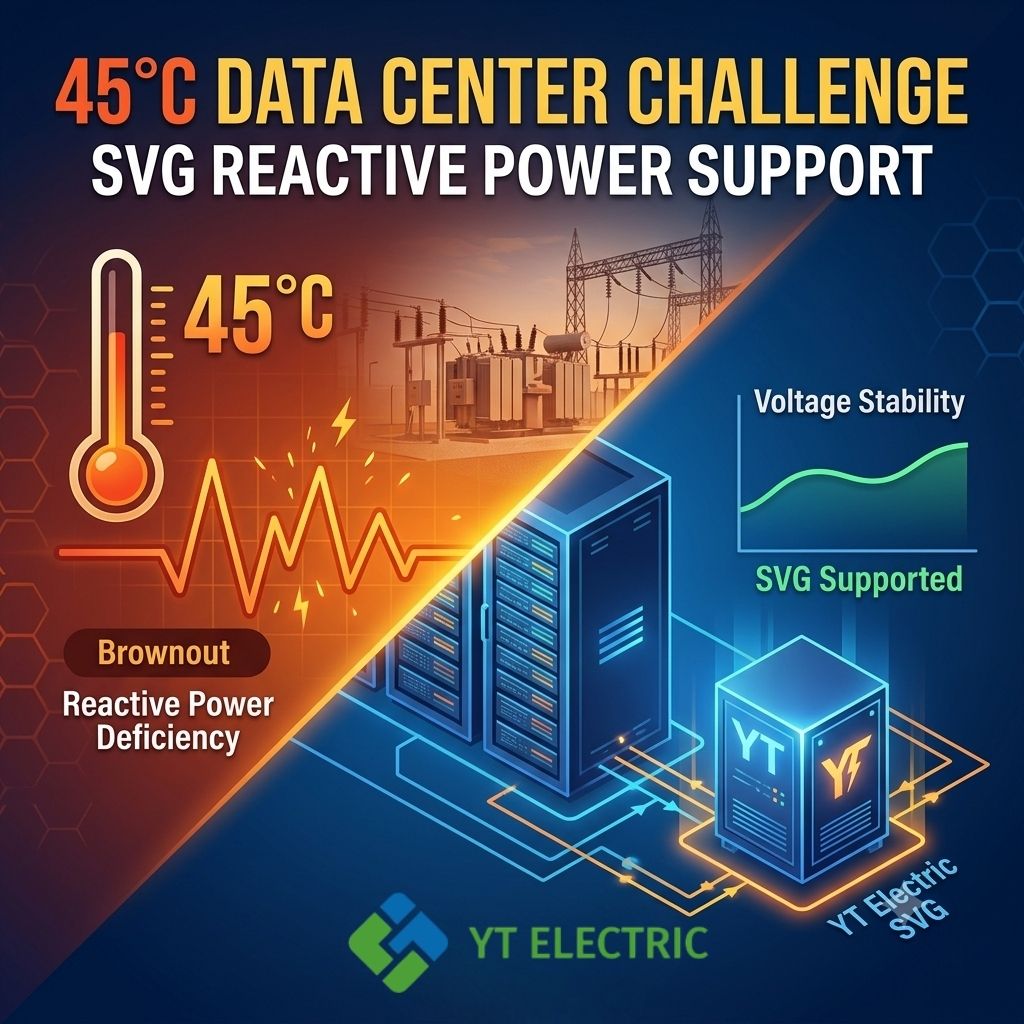
Introduction: The 2026 Grid Emergency Meets AI Infrastructure In July 2026, the eastern United States is experiencing a punishing heatwave. The PJM Interconnection—the largest US regional grid—is forecasting demand to exceed 166,000 MW, dangerously close to its all-time historical record. Utilities are considering the unthinkable: cutting AI data centers off the grid to preserve...
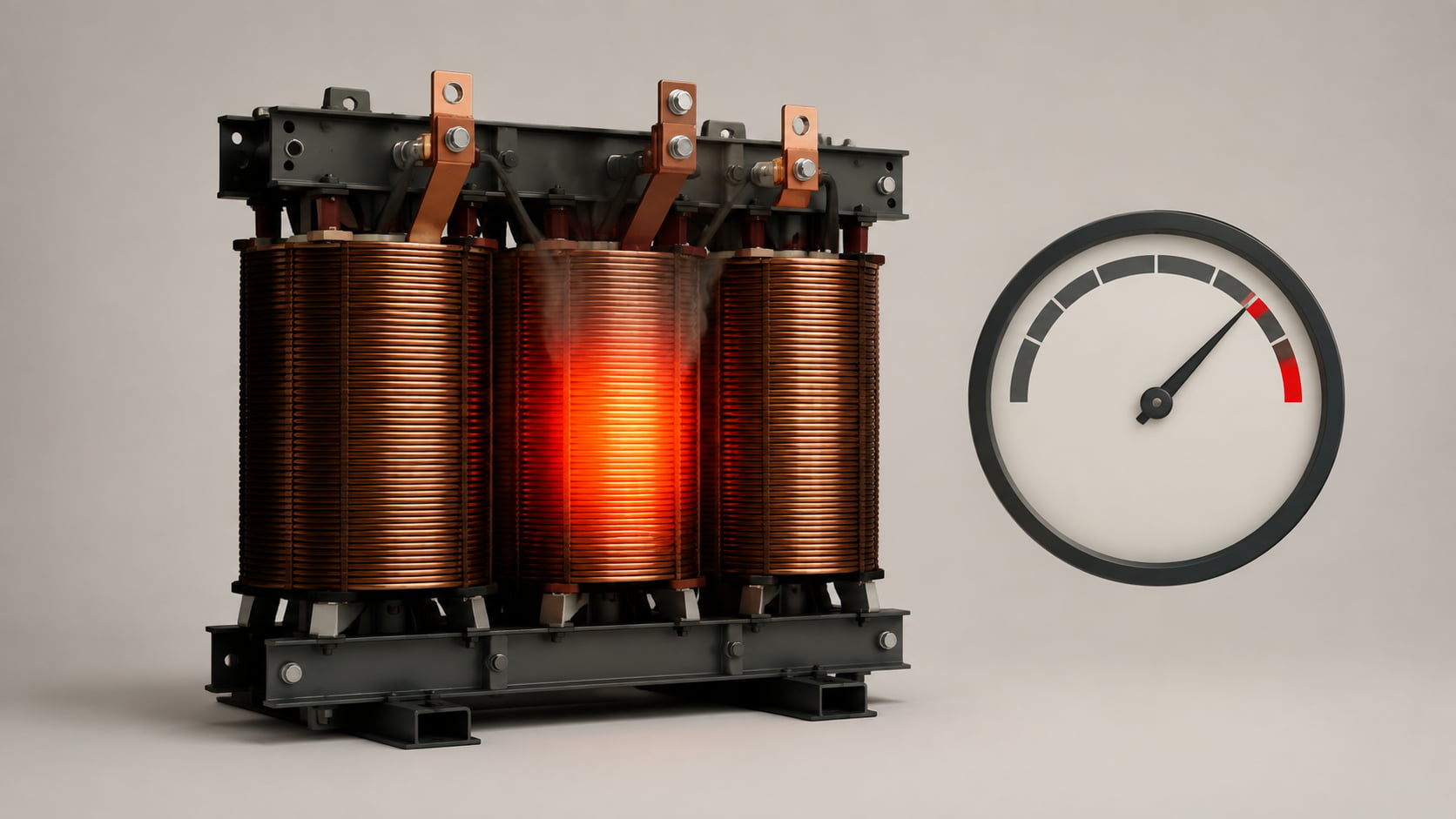
Transformer Overheating Explained: Why It Happens Below Rated Load A transformer can run unusually hot even when the connected load appears safely below its nameplate rating. Current may seem acceptable while winding or enclosure temperatures continue rising. This often happens because loading is assessed only in kilowatts or average amperes. Harmonics, imbalance, poor power factor and inad...
Transformer Overheating from Harmonics: K-Factor vs AHF Mitigation In heavy industry, large data centers, and plants packed with VFDs and six-pulse rectifiers, a distribution transformer can run within its nameplate kVA and still develop abnormal temperature rise, oil-temperature alarms, or accelerated winding insulation ageing. The usual load-current check misses the frequency content of that cur...
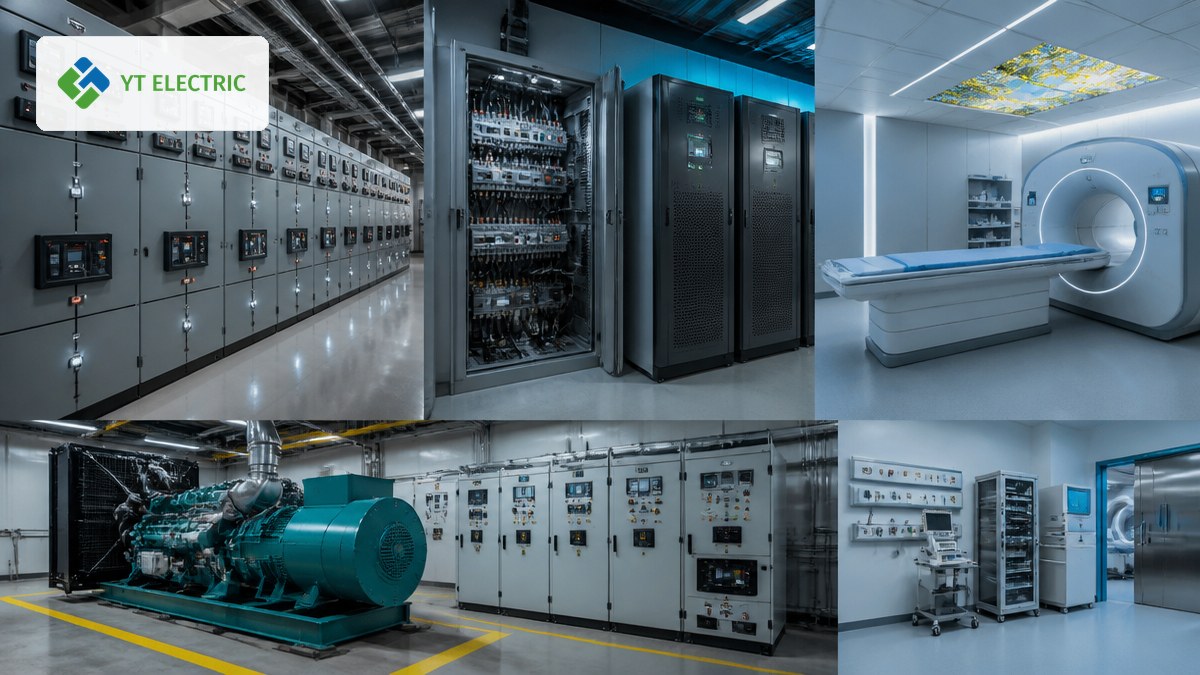
Power Quality Architecture for Isolated Healthcare and Cleanroom Sub-Distributions: Preventing Microsecond Notching and Leakage Trips Quick Engineering Answer: Critical healthcare facilities (operating theaters, ICU isolated power IT systems under IEC 60364-7-710) and pharmaceutical cleanroom sub-distributions require specialized sub-tier power quality mitigation. Standard industrial harmonic filt...


 English
 français
 Deutsch
 español
 العربية
 中文





 IPv6 network supported

