Walking into a steel melting shop, you feel the raw power. Arc furnaces roar, induction furnaces hum at high frequencies, and the electricity demand is staggering. But behind this impressive industrial might lies a hidden cost – poor power quality that drains profits and threatens equipment. The Real Trouble: Reactive Power and Start-Up Mayhem Electric arc furnaces and medium-frequency induc...
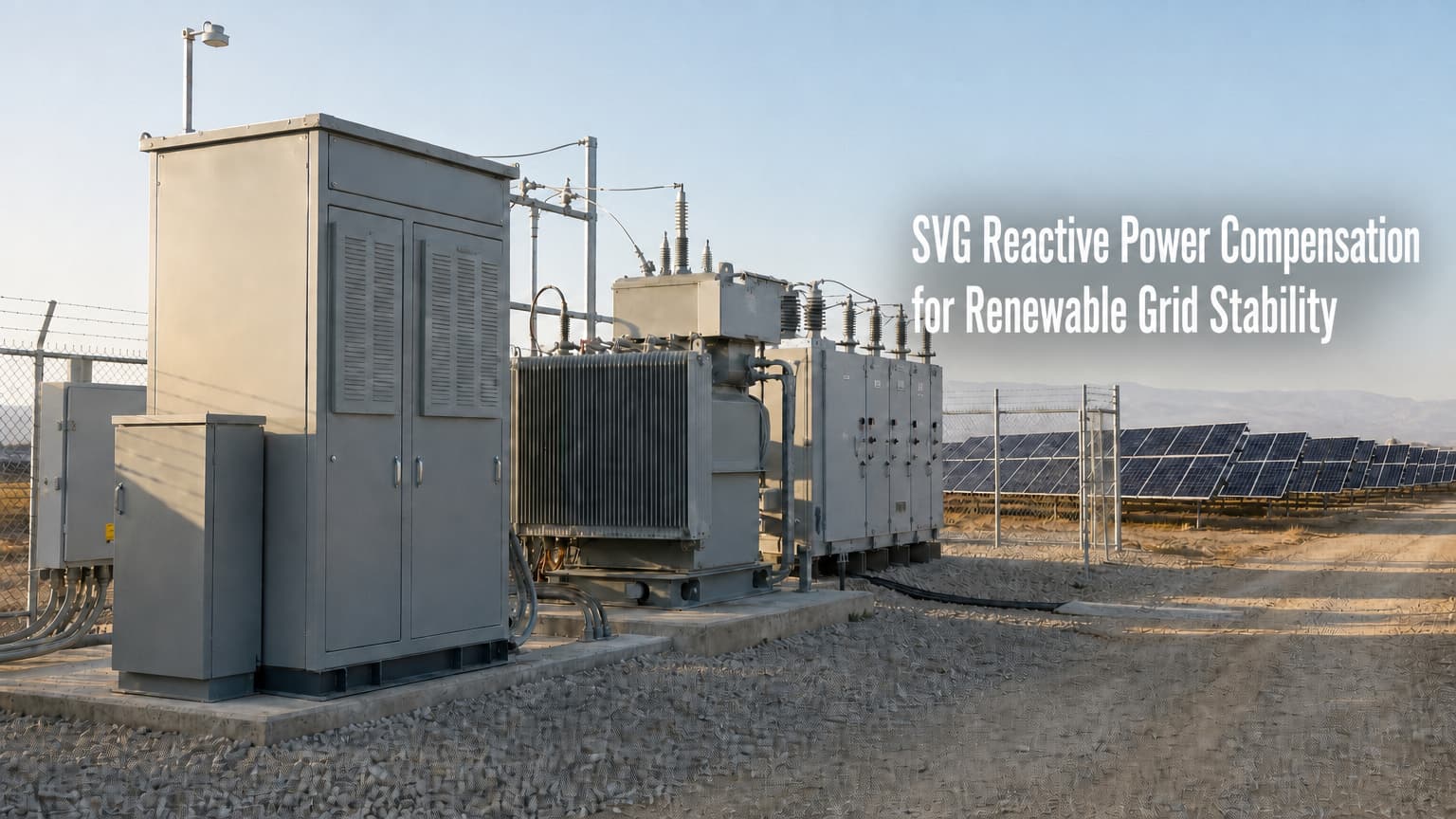
A photovoltaic plant can lose inverter blocks even when irradiance is stable. The immediate trigger is often a point-of-common-coupling (PCC) voltage excursion after cloud movement, feeder switching, or a neighboring motor load change. SVG Reactive Power Compensation addresses that engineering problem by injecting or absorbing reactive current fast enough to support the PCC rather than waiting for...
Why a Solar Plant Needs Active Compensation A Static Var Generator (SVG) is an active, IGBT-based power-electronics compensator that stabilises voltage, supplies or absorbs reactive power and filters harmonic current at the point of common coupling (PCC) of a solar plant. It turns unstable PV output into grid-compliant power for EPC contractors, electrical engineers, procurement teams and power-qu...
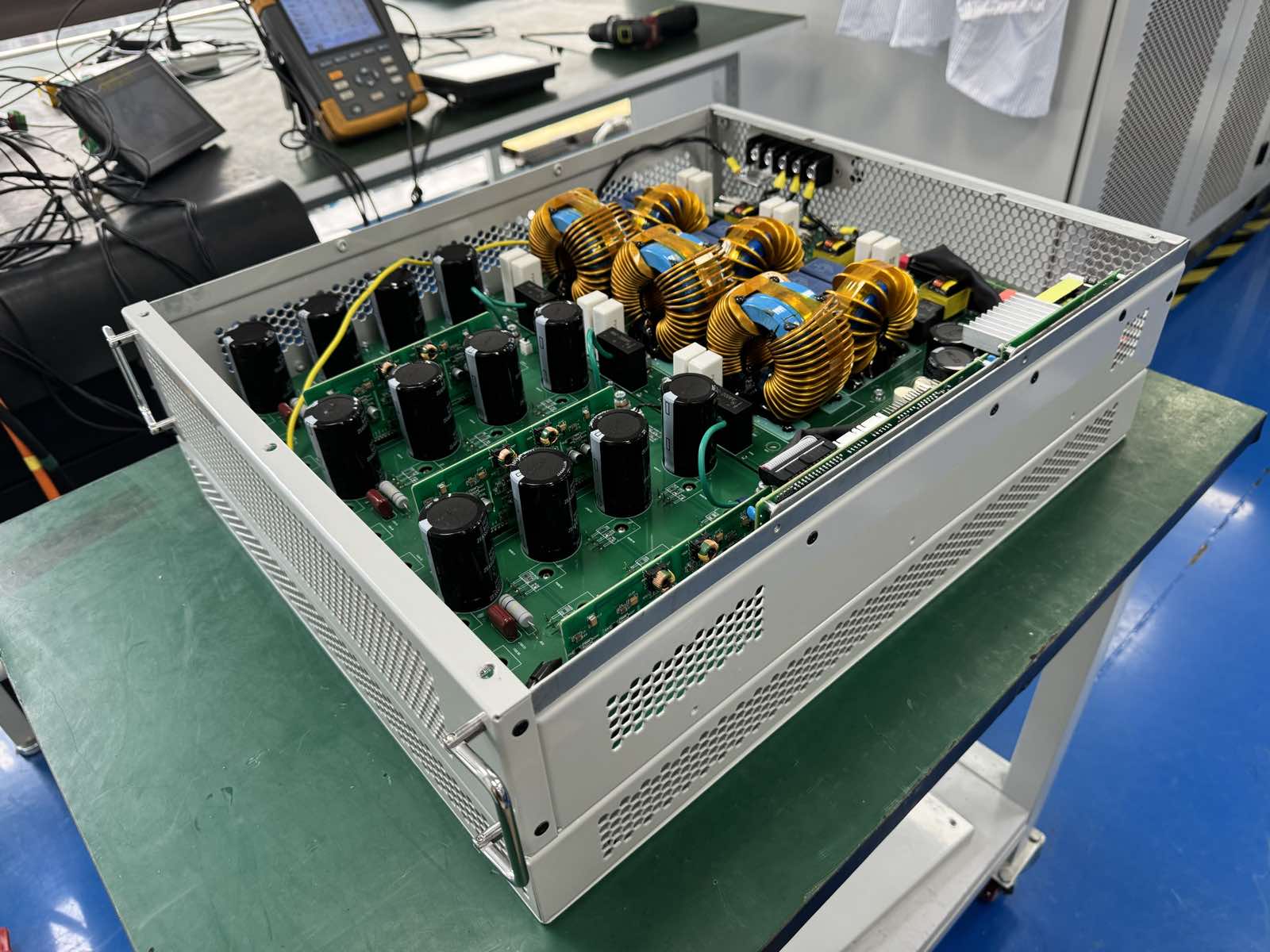
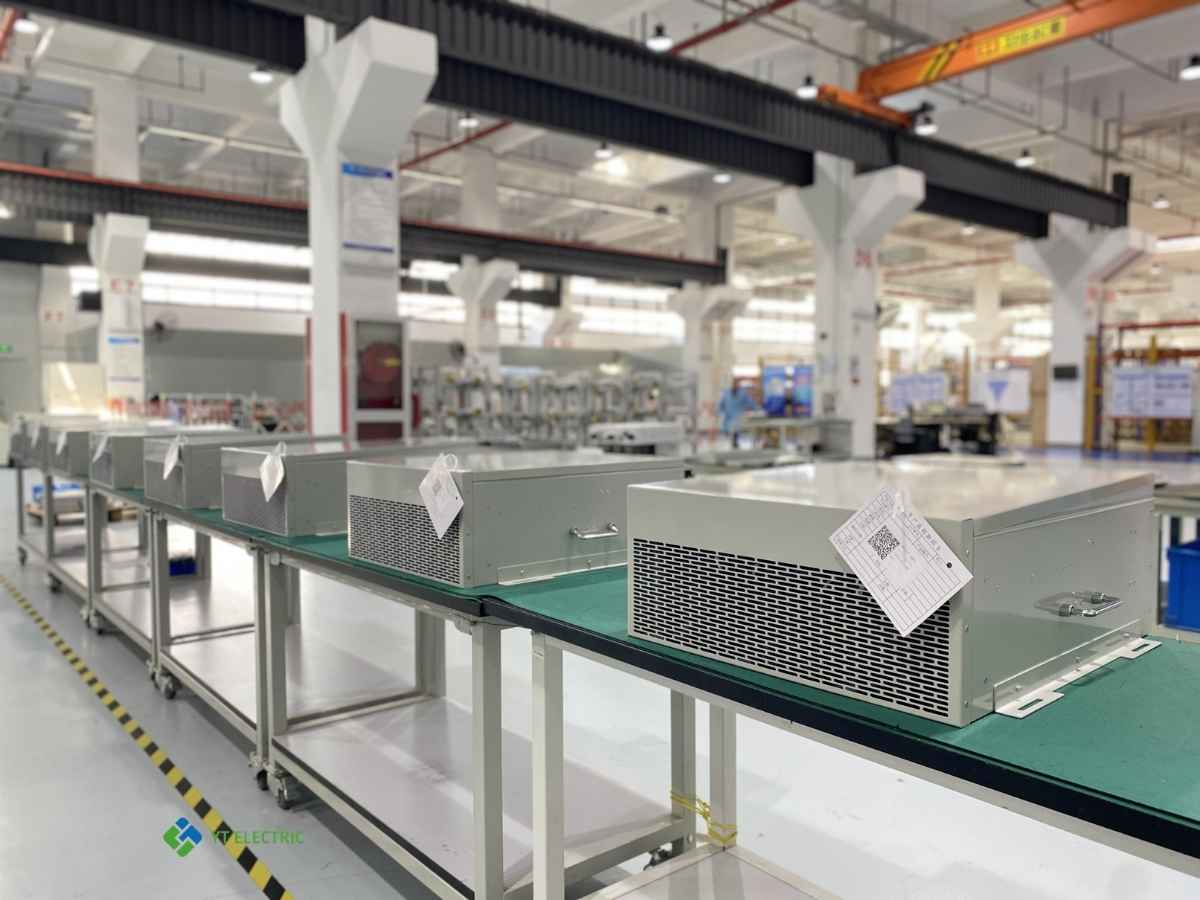
When Power Quality Equipment Must Also Be Quiet A Static Var Generator is normally evaluated by reactive power capacity, response time, power factor control and harmonic compensation. In many installations, the equipment room adds another requirement: the solution must also control noise, dust exposure and maintenance demands. YT Electric’s Fanless Static Var Generator uses natural he...
When a PV plant reaches MW scale, inverter control stops being the same thing as grid code compliance. Compliance is judged at the point of common coupling (PCC), where the utility measures voltage and current quality — not at the inverter terminals. A plant with well-behaved inverters can still fail its connection test for that reason, and a medium-voltage STATCOM is usually the device that...
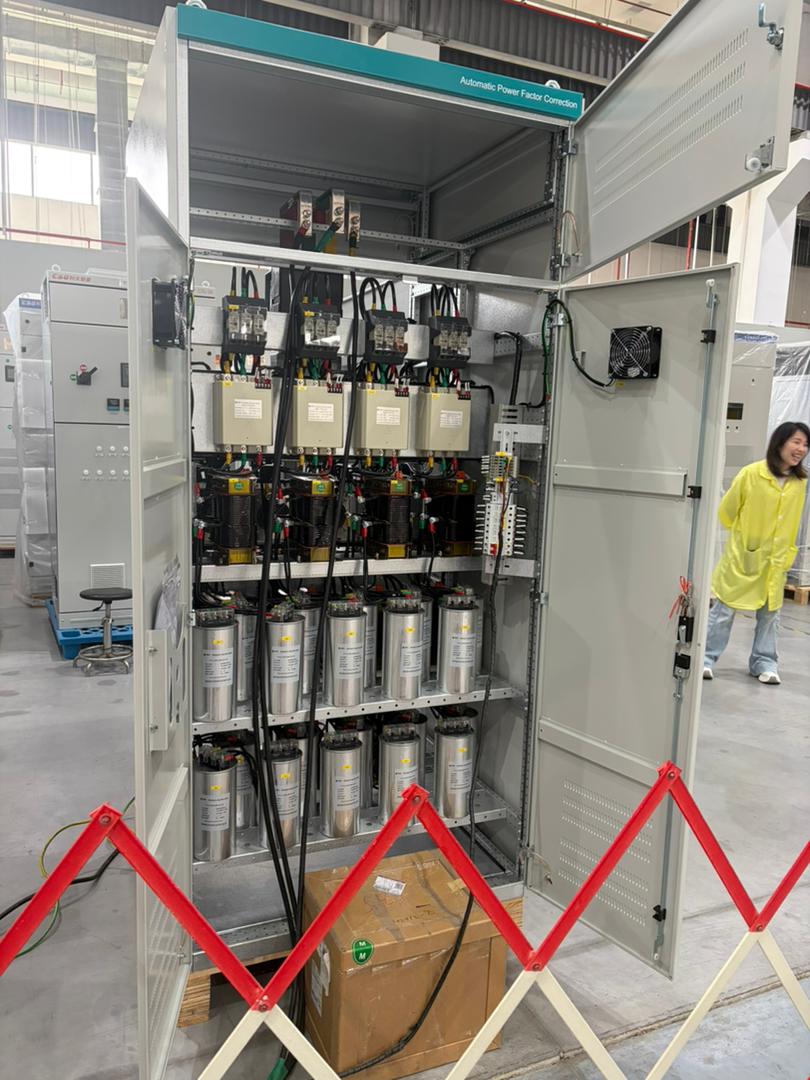
SVG Reactive Power Compensation: Beyond PF Correction For decades, plant electrical engineers and facility managers viewed reactive power compensation through a single, narrow lens: avoiding utility low power factor penalty surcharges. Traditional solutions—primarily fixed capacitor banks and automatic power factor correction (APFC) panels—were designed solely to supply bulk capacitive...
The same capacitor bank that improves power factor during full production can push a facility into leading power factor when the load falls. This overcompensation often appears at night, on weekends, or after large motors stop while capacitors remain connected. A meter may remain close to 1.00, but “leading,” “capacitive,” or the direction of kVAr shows that the syst...
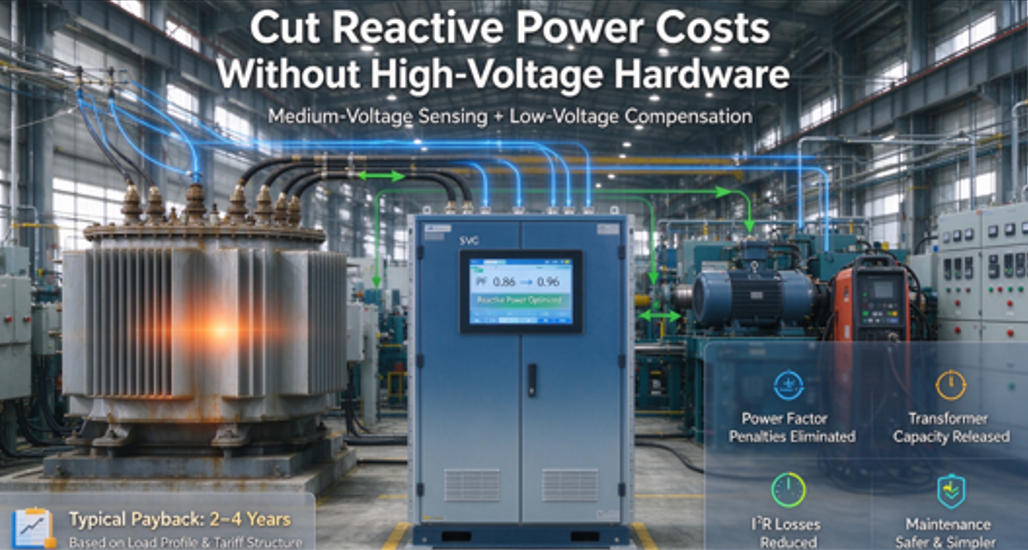
Medium-Voltage Sensing, Low-Voltage SVG Architecture Industrial plants, manufacturing complexes, and large commercial facilities frequently face a challenging power quality engineering dilemma: utility metering occurs on the medium-voltage (MV) intake bus (such as 6.6 kV, 10 kV, 13.8 kV, or 35 kV), while the vast majority of non-linear and inductive loads operate on the low-voltage (LV) 400V, 480V...


 English
 français
 Deutsch
 español
 العربية
 中文




 IPv6 network supported

