Power Quality in Steel Mills — A Silent Threat to Production Steel manufacturing is one of the most energy-intensive industries in the world. Within a typical steel mill, you will find a diverse range of electrical loads: water pumps circulating cooling systems, medium-frequency induction furnaces for melting, overhead cranes for material handling, LED lighting for workspaces, rolling mills,...
Introduction: When the Protector Needs Protection Every facility manager knows the UPS is the last line of defense — the safety net that keeps critical operations alive when the grid fails or voltage sags. But there is an irony discovered only after equipment fails: the very load the UPS protects can quietly damage the UPS itself. Modern critical loads are almost always nonlinear. Rad...
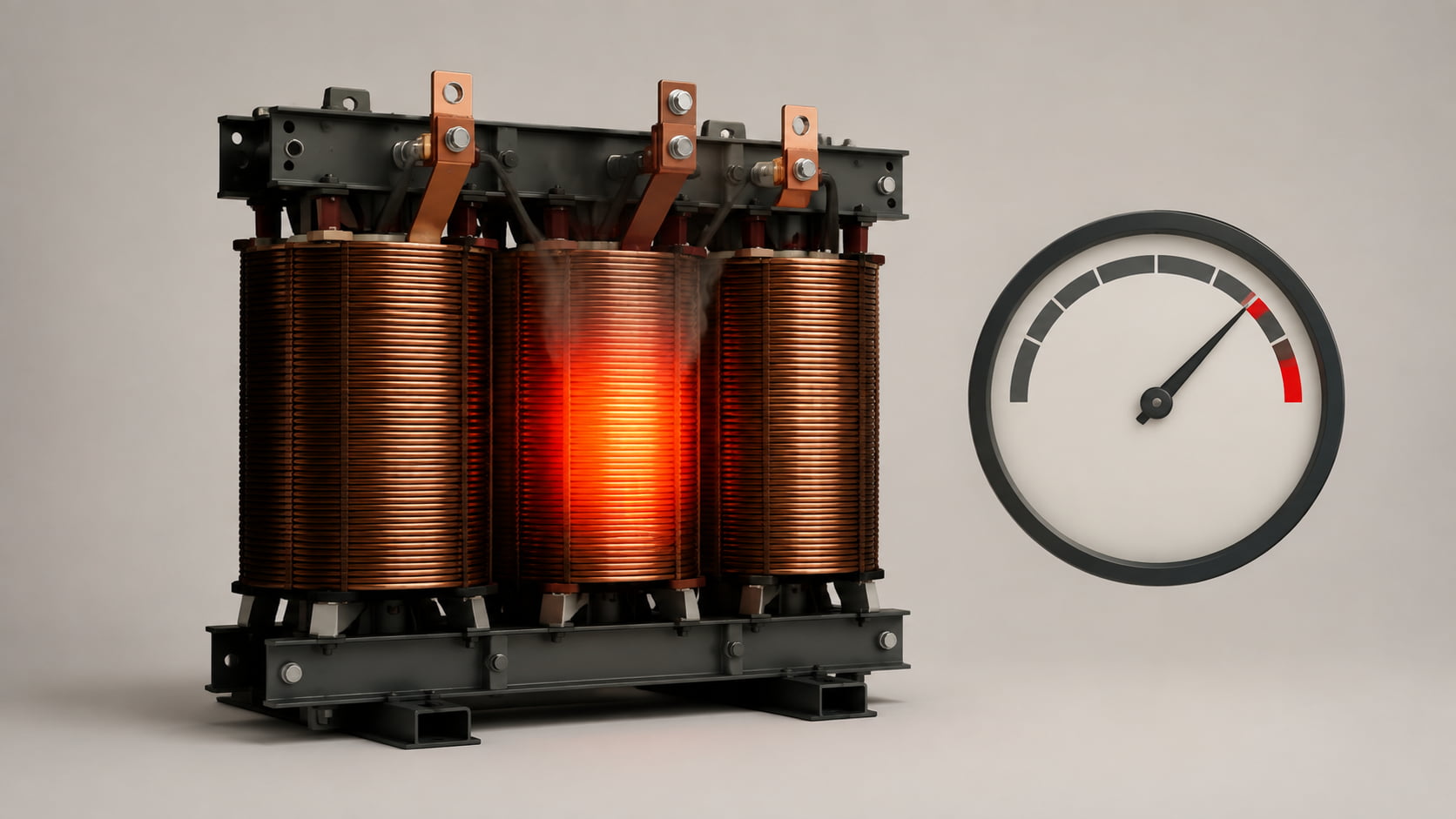
Transformer Overheating Explained: Why It Happens Below Rated Load A transformer can run unusually hot even when the connected load appears safely below its nameplate rating. Current may seem acceptable while winding or enclosure temperatures continue rising. This often happens because loading is assessed only in kilowatts or average amperes. Harmonics, imbalance, poor power factor and inad...
Neutral conductor overheating in a three-phase four-wire system is a zero-sequence problem, so measure harmonic orders first and only then select a filter. A neutral that runs hot while the phases stay comfortably cool is rarely a coincidence. It points to zero-sequence current driven by triplen harmonics, which behaves nothing like a balanced-load calculation predicts. This article follows the or...


 English
 français
 Deutsch
 español
 العربية
 中文
中文



 IPv6 network supported