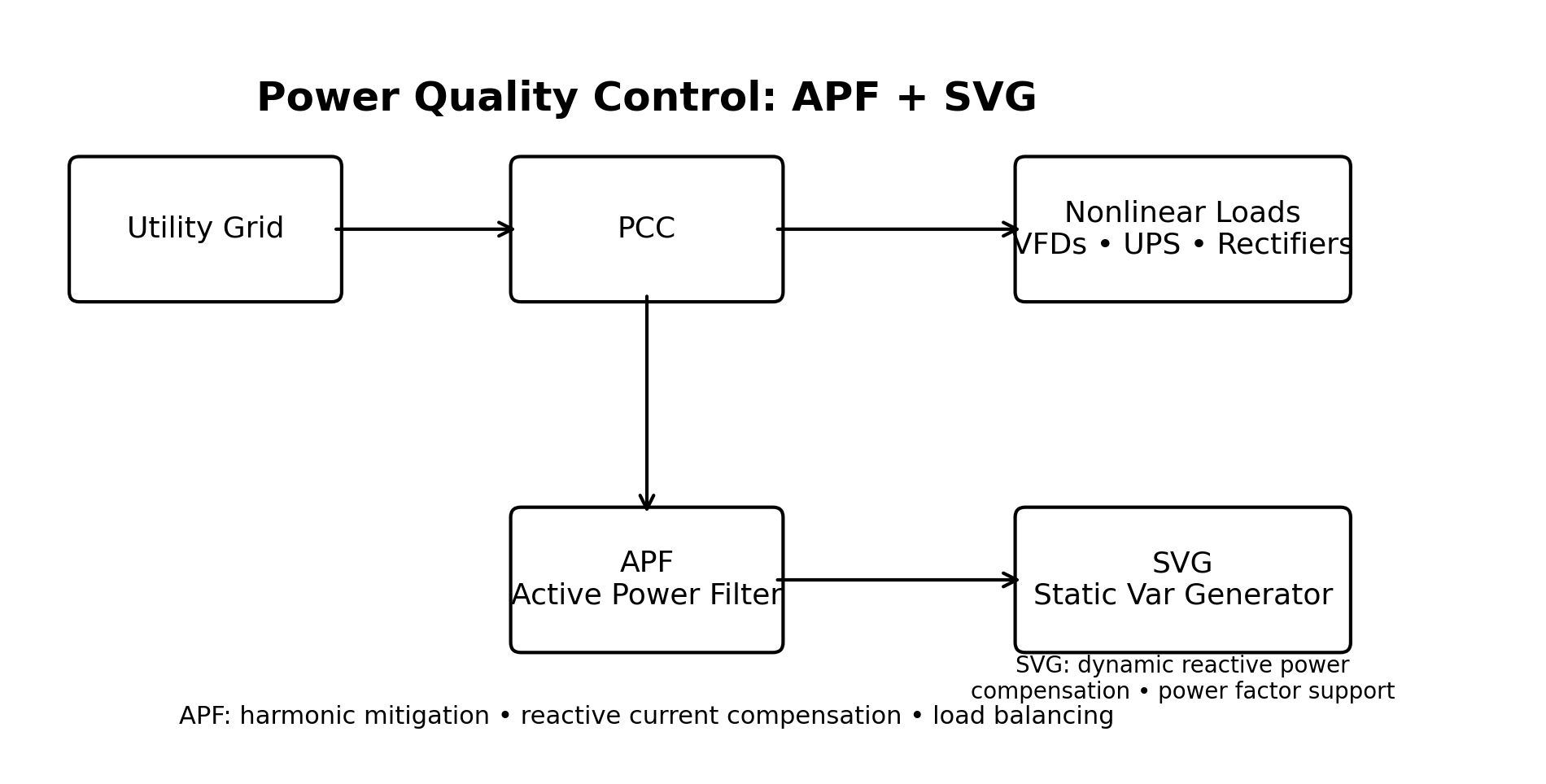
A plastics extrusion plant in Ohio replaced motor starters with VFDs and cut drive energy use by 4%. Three months later, its 1000 kVA transformer ran 18 K above nameplate temperature, two capacitor banks tripped on overcurrent, and the utility applied a power-factor penalty. THDi on the 480 V bus measured 32% at full production. Adding capacitors would make that worse, not better. The fix i...
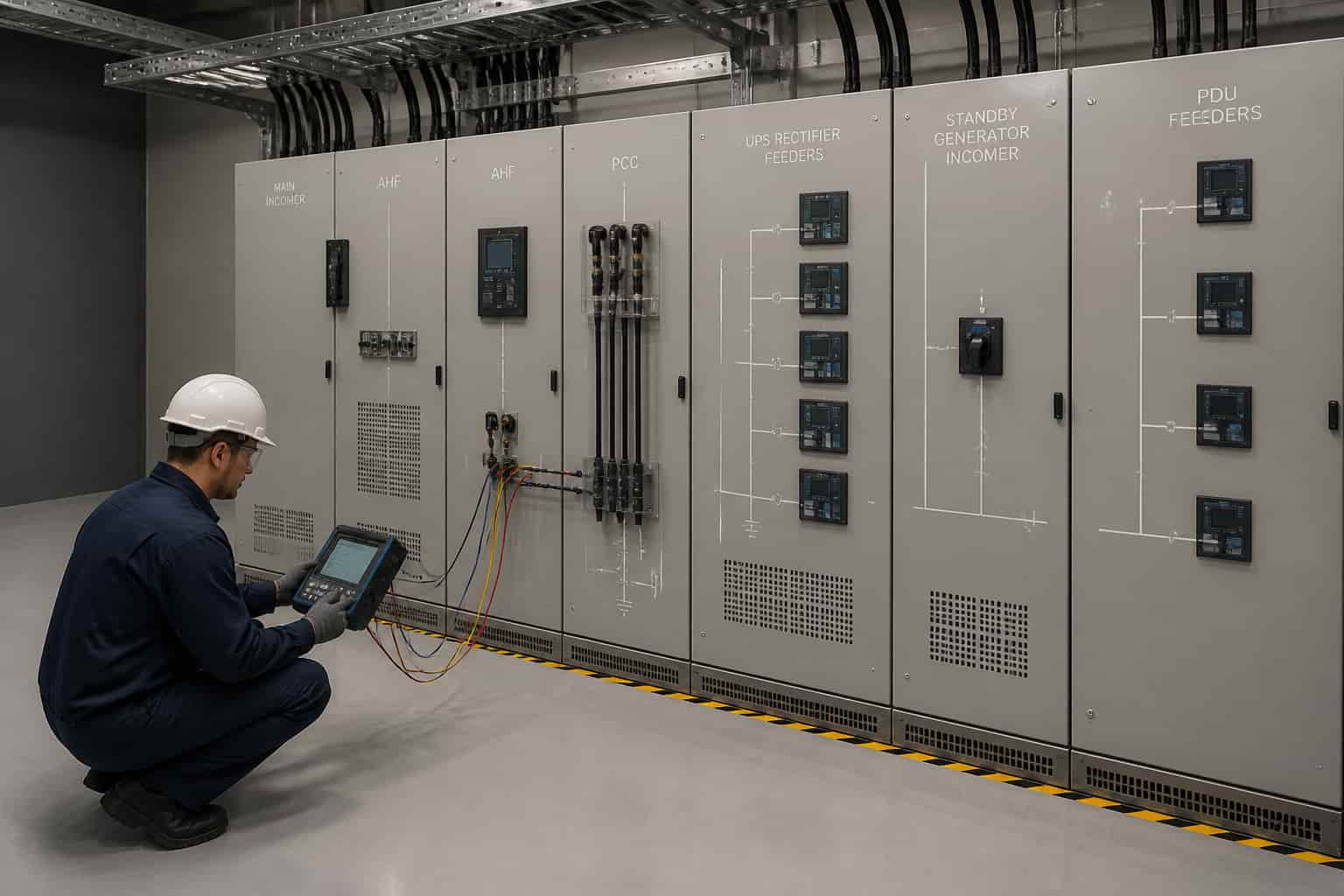
Active Harmonic Filter Acceptance Test: 5 Critical Steps for Capacity Verification & Site Commissioning A purchase order does not prove that an Active Harmonic Filter will pass site acceptance. The project team must confirm what happens at the point of common coupling (PCC) when VFDs, rectifiers, welders, UPS systems, and capacitor banks operate together. Before acceptance...
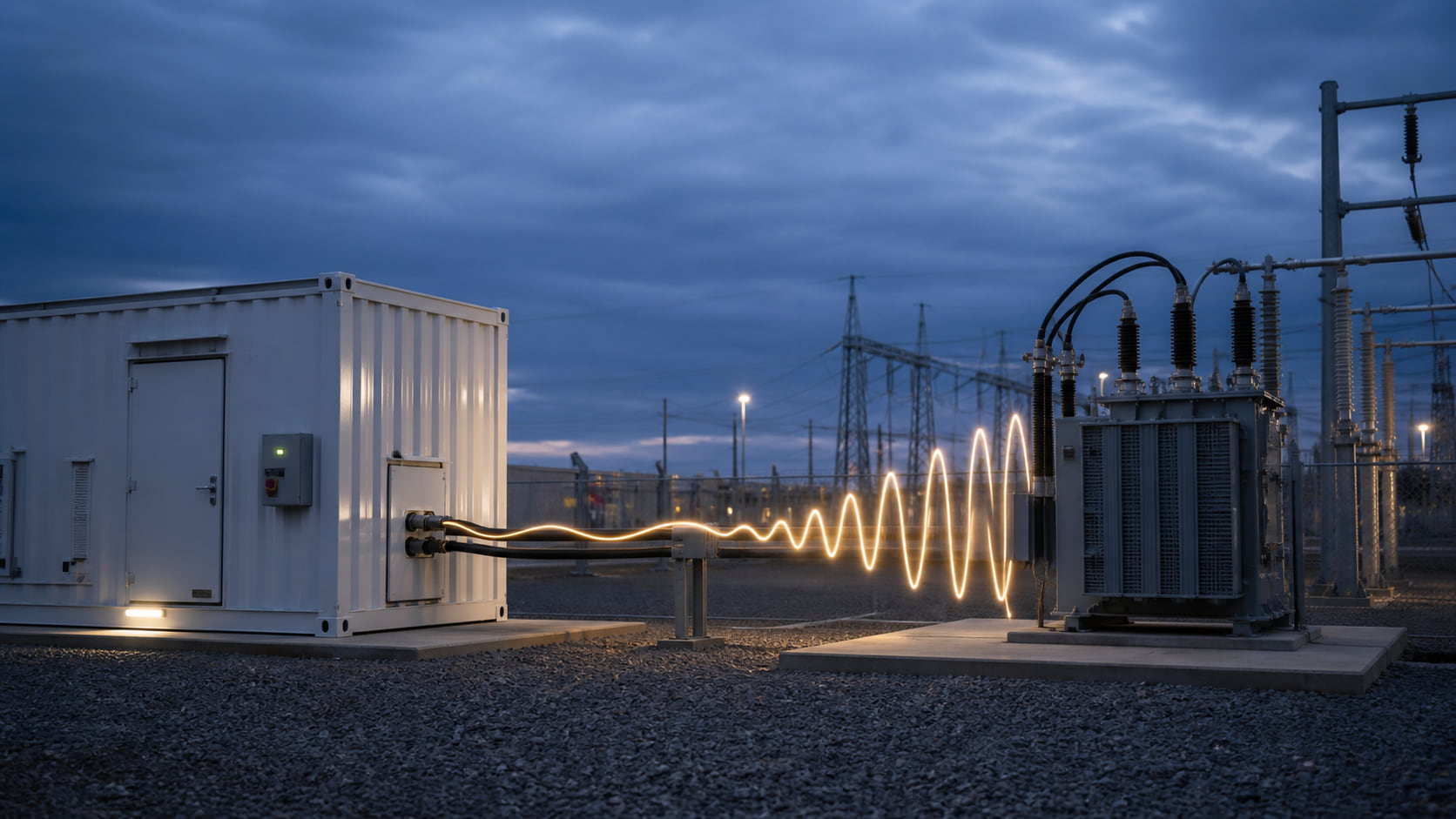
A battery energy storage system can satisfy the harmonic limits at its point of common coupling and still introduce a resonant frequency into the electrical network. This is not a contradiction.Grid compliance confirms that voltage and current distortion remain within defined limits under the conditions assessed. Harmonic resonance describes how the complete electrical system responds at different...
Introduction: When the Protector Needs Protection Every facility manager knows the UPS is the last line of defense — the safety net that keeps critical operations alive when the grid fails or voltage sags. But there is an irony discovered only after equipment fails: the very load the UPS protects can quietly damage the UPS itself. Modern critical loads are almost always nonlinear. Rad...
Walking into a steel melting shop, you feel the raw power. Arc furnaces roar, induction furnaces hum at high frequencies, and the electricity demand is staggering. But behind this impressive industrial might lies a hidden cost – poor power quality that drains profits and threatens equipment. The Real Trouble: Reactive Power and Start-Up Mayhem Electric arc furnaces and medium-frequency induc...
In modern industrial environments, automated manufacturing lines, variable frequency drives (VFDs), dynamic robotics, and heavy inductive loads have placed unprecedented demands on power distribution networks. While investing in power quality equipment is vital to reduce downtime, avoid utility penalties, and improve energy efficiency, selecting the wrong solution can lead to costly equipment fail...
Installing a capacitor bank should improve power factor, reduce reactive power demand and release capacity in transformers and cables. However, some facilities find that their power factor remains below the utility target even after the capacitor bank has been commissioned. This does not necessarily mean the capacitor bank is defective. The cause may be incorrect sizing, changing loads, harmonic d...
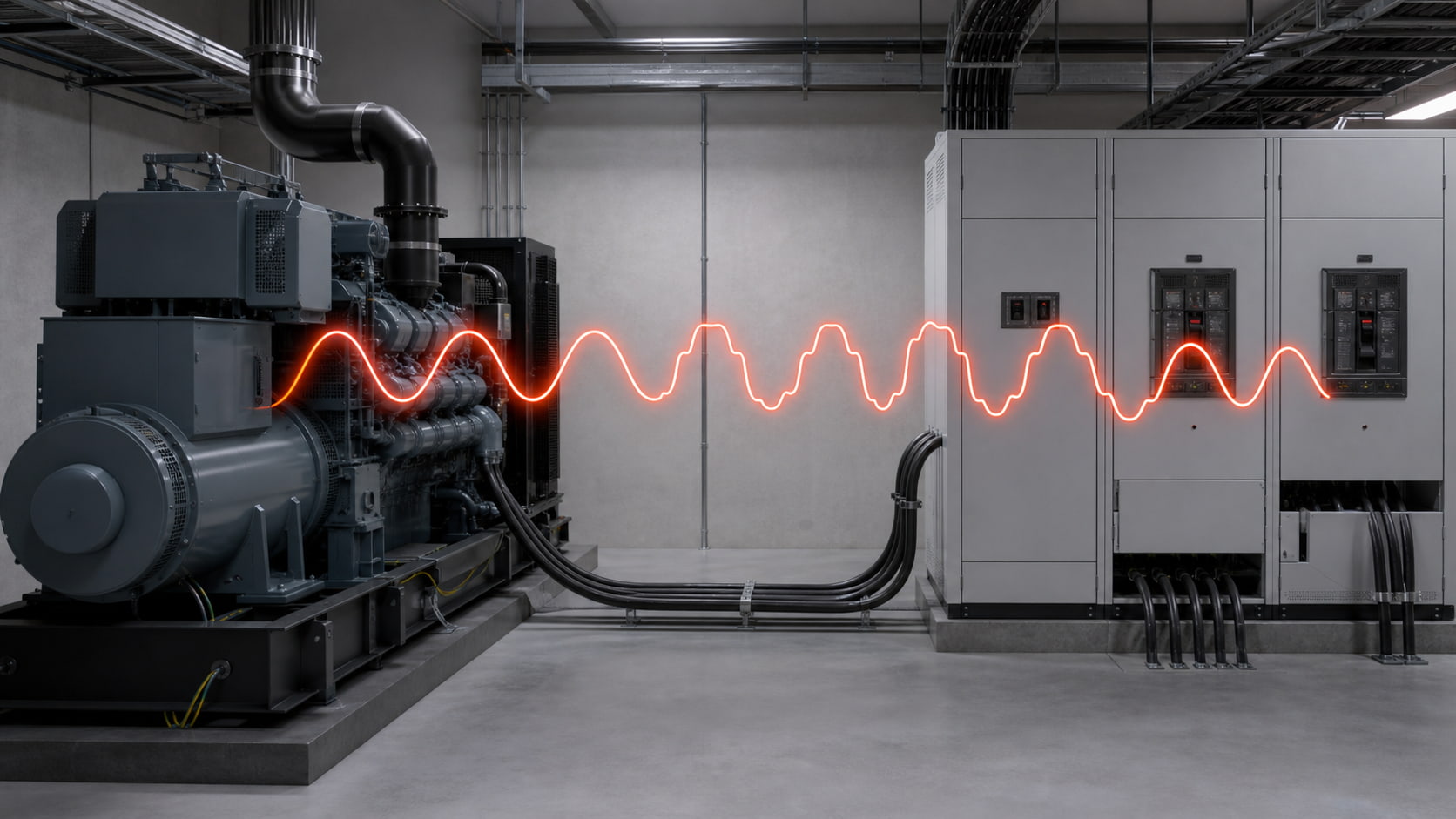
A facility can operate normally on utility power and develop power quality problems after transferring to a standby generator. Drives trip, UPS systems report input faults and lights flicker—even though the load has not changed. Nonlinear loads are usually already generating harmonic current. The generator provides a weaker source, allowing the same current distortion to create greater volta...


 English
 français
 Deutsch
 español
 العربية
 中文
中文



 IPv6 network supported