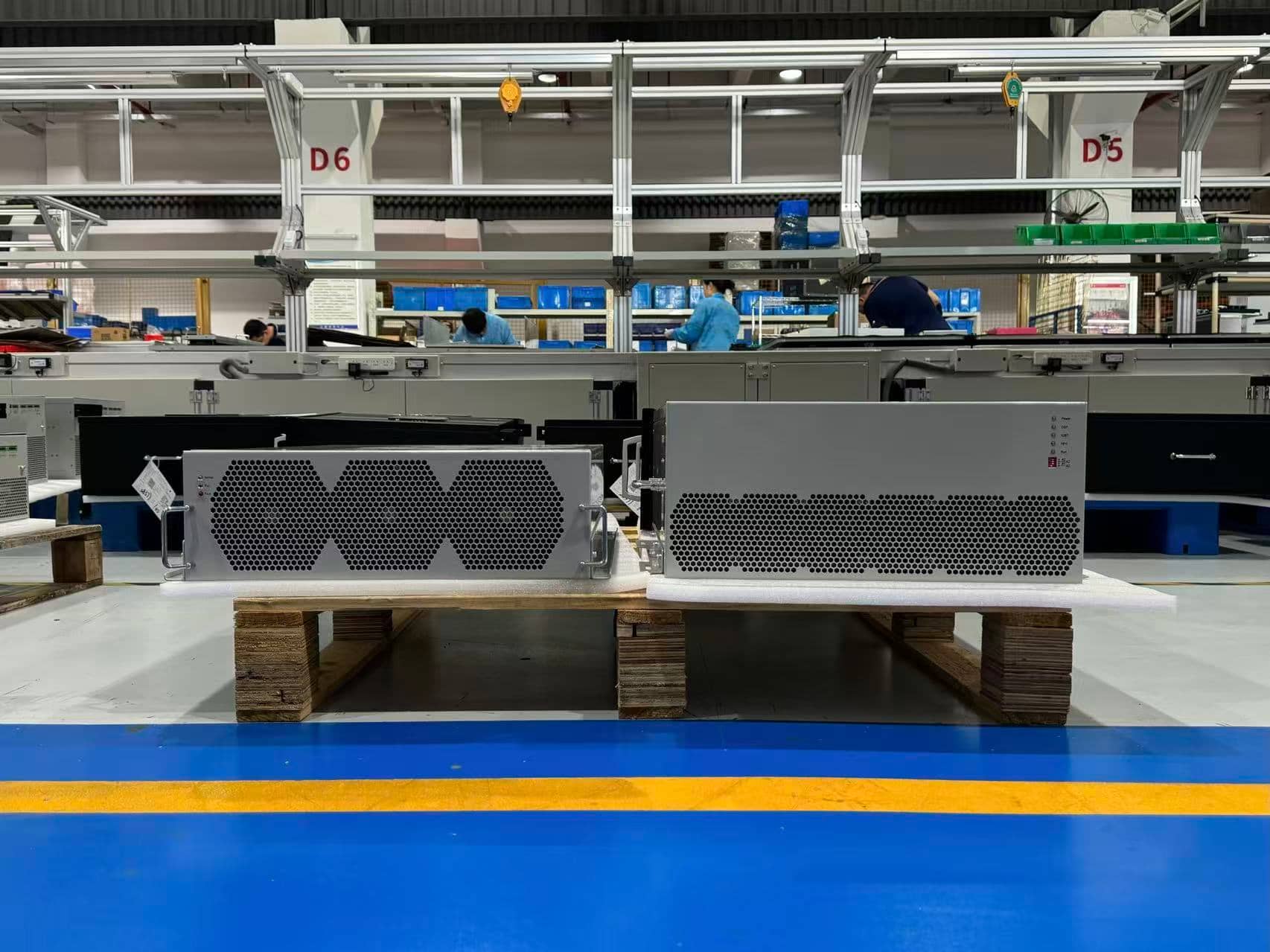
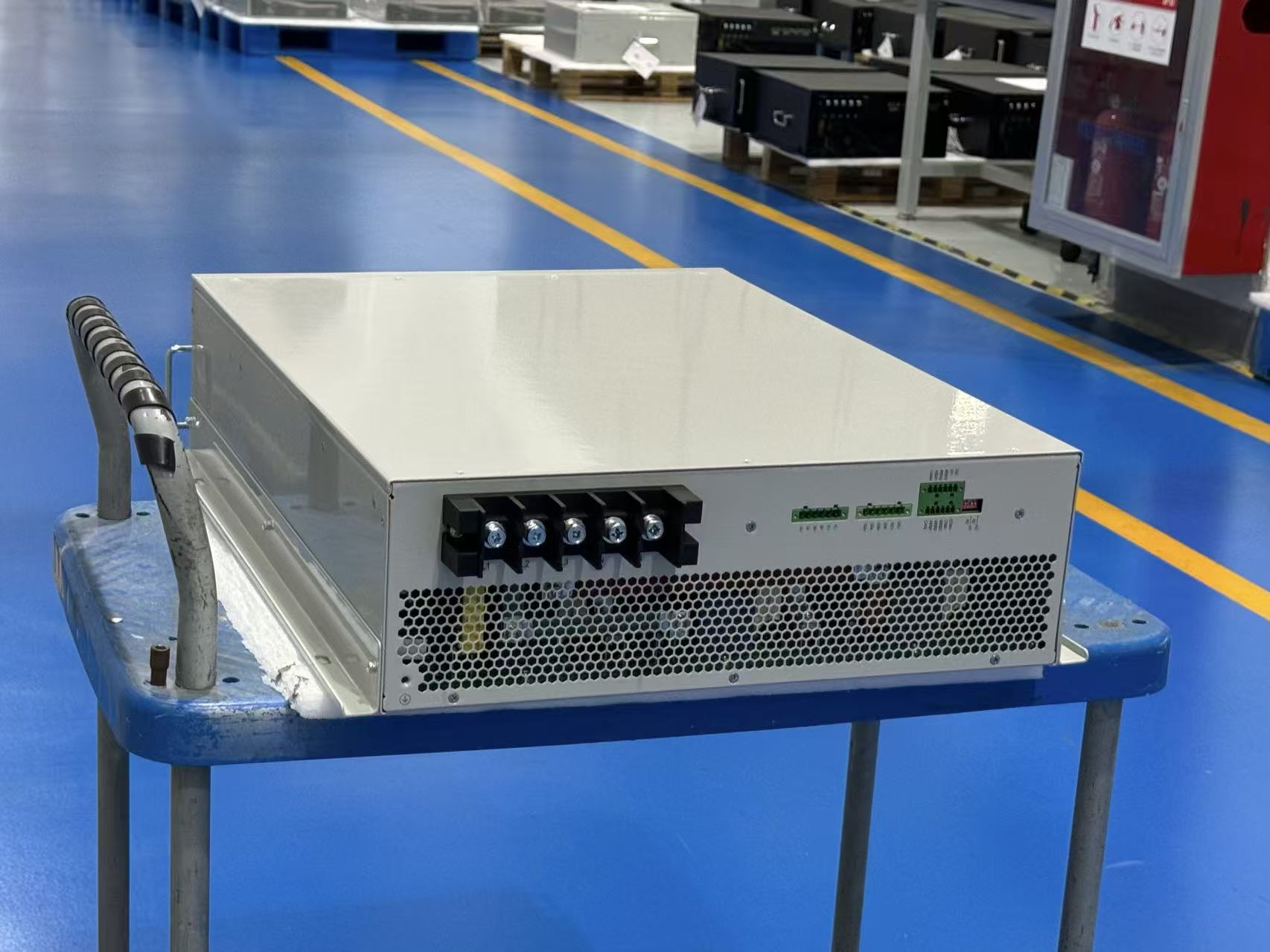
SiC Active Harmonic Filter: Why Ultra-Compact Architecture Maximizes Efficiency in Modern Industrial Power Systems Quick Engineering Answer: A Silicon Carbide (SiC) Active Harmonic Filter (AHF) utilizes wide-bandgap (WBG) SiC MOSFET power switches to achieve switching frequencies above 50 kHz—more than triple conventional silicon IGBT filters. This ultra-high switching frequency slashes inte...
In Poland’s rapidly modernizing industrial and commercial infrastructure, switchboard builders (Producenci rozdzielnic nn) operate in a fiercely competitive environment. Winning profitable tenders is no longer just about sheet metal fabrication and competitive switchgear assembly—it demands engineering precision, compliance with strict European standards, and the ability to solve compl...
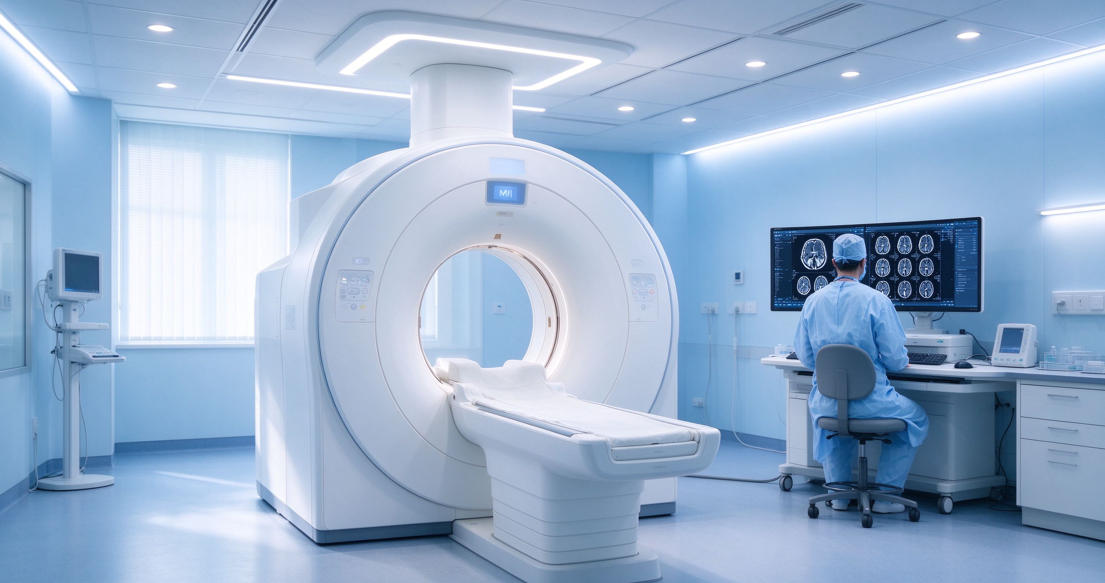
Clean Power for Critical Care: How Active Harmonic Filter Protects MRI and LED-Loaded Hospitals Modern hospitals run on sensitive electronics. LED lighting, MRI scanners, CT machines, surgical robots, and diagnostic imaging systems all depend on clean, stable electricity. But many of these devices also create harmonic distortion that quietly degrades power quality. Active Harmonic Filter removes t...
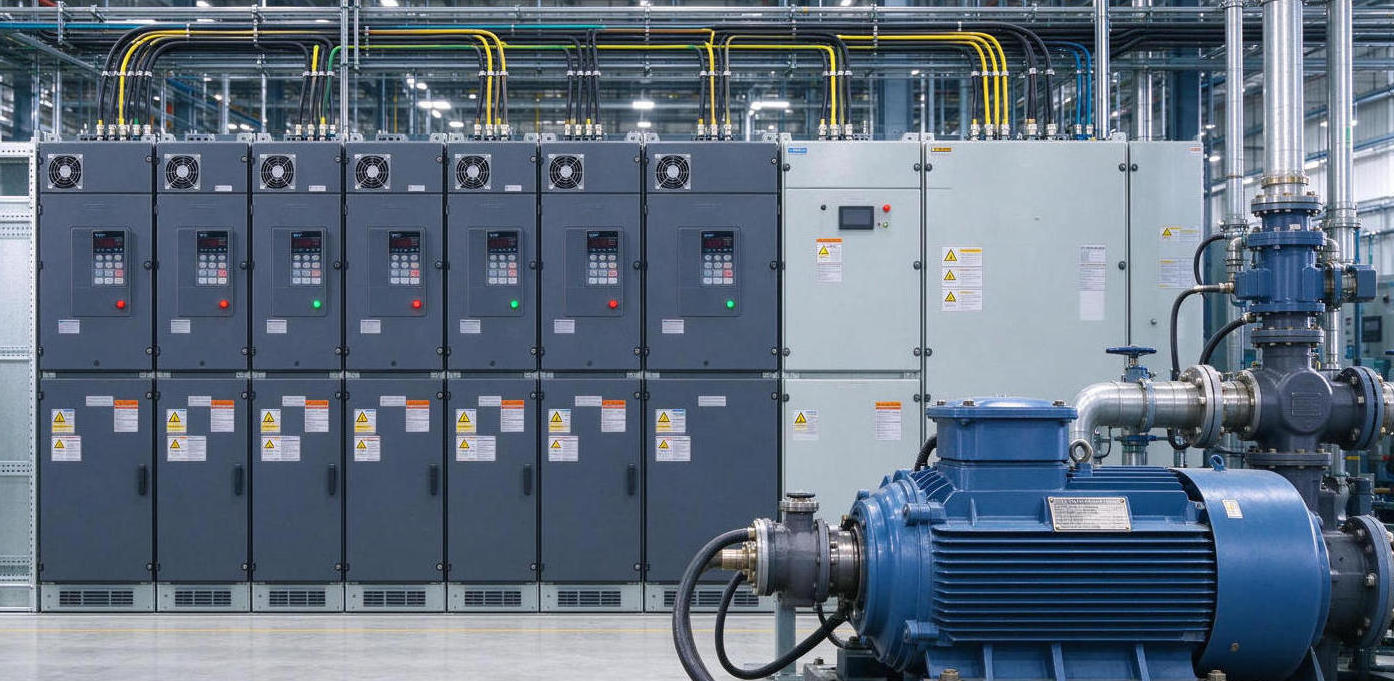
Neutral Burning Out? How Active Harmonic Filter Stops 3rd and 9th Harmonic Damage in VFD-Heavy Plants Variable frequency drives are everywhere in modern factories because they save energy and control motors precisely. But when many VFDs operate on the same three-phase four-wire system, they can generate 3rd and 9th harmonic currents that accumulate in the neutral conductor. The result is a serious...
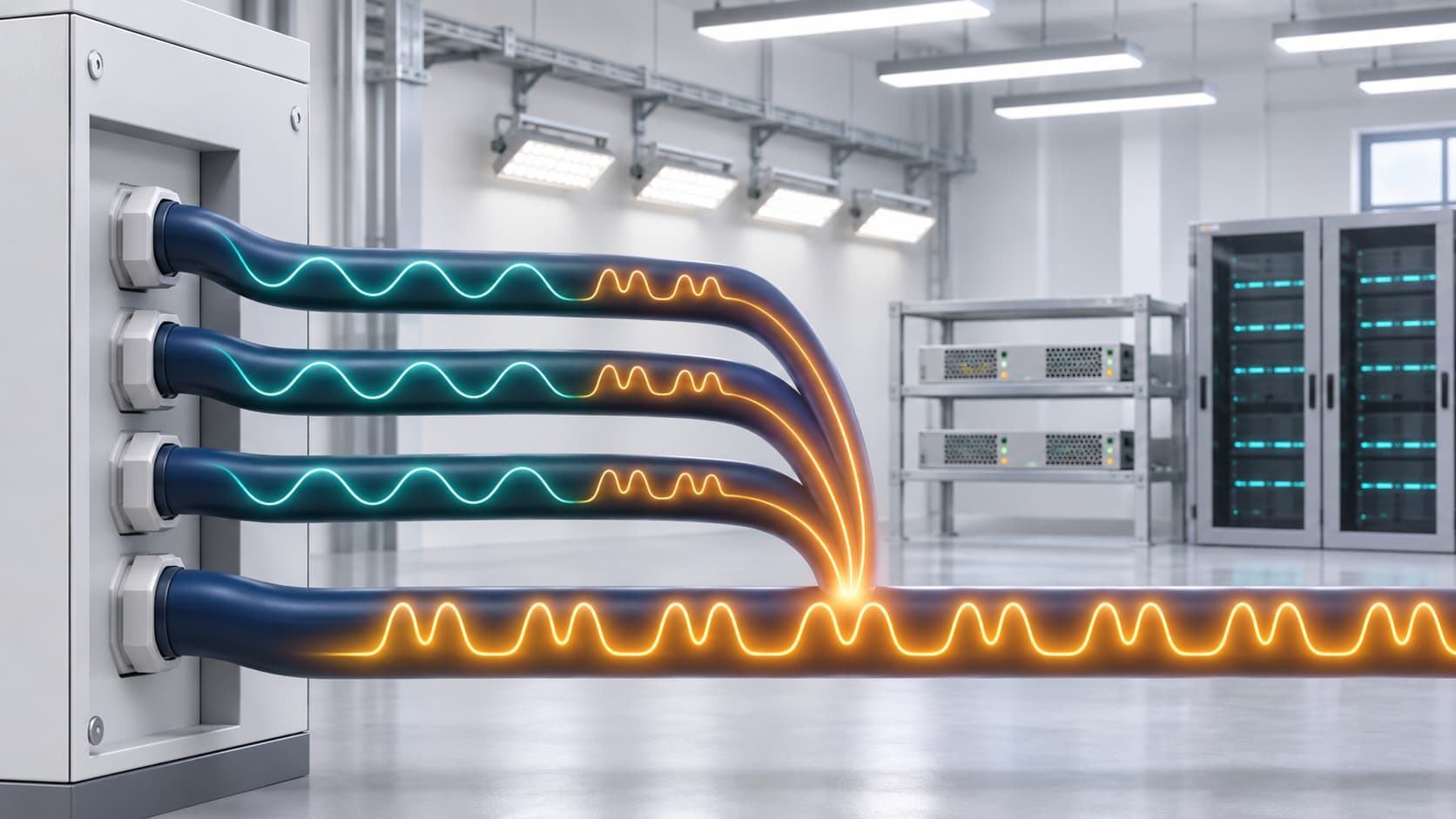
Third Harmonics Explained In a balanced three-phase, four-wire system, neutral current should be low with linear loads. That expectation can fail in facilities filled with LED drivers, computers, servers, UPS equipment, and other electronic power supplies. These nonlinear loads can produce third-harmonic current and its multiples. The harmonic components add in the neutral instead of cancelling, s...


 English
 français
 Deutsch
 español
 العربية
 中文




 IPv6 network supported

