

 English
 français
 Deutsch
 español
 العربية
 中文
中文
Modern power systems face a hidden threat: resonance. This occurs when harmonic currents from non-linear loads (like VFDs and rectifiers) match the electrical system's natural frequency. The result? Dangerous amplification of harmonic voltages and currents, leading to capacitor failures, overheating, and equipment damage.
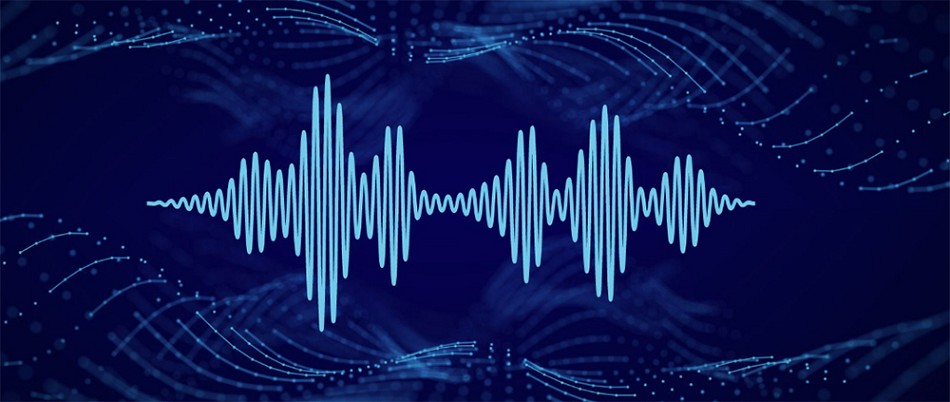
Traditional passive filters can ironically cause this problem by introducing new resonant points into the network.
The Active Harmonic Filter (AHF) solves this. It's an intelligent device that monitors harmonics in real-time and injects opposing currents to cancel them. Its key advantage in preventing resonance is its adaptive, non-passive design.
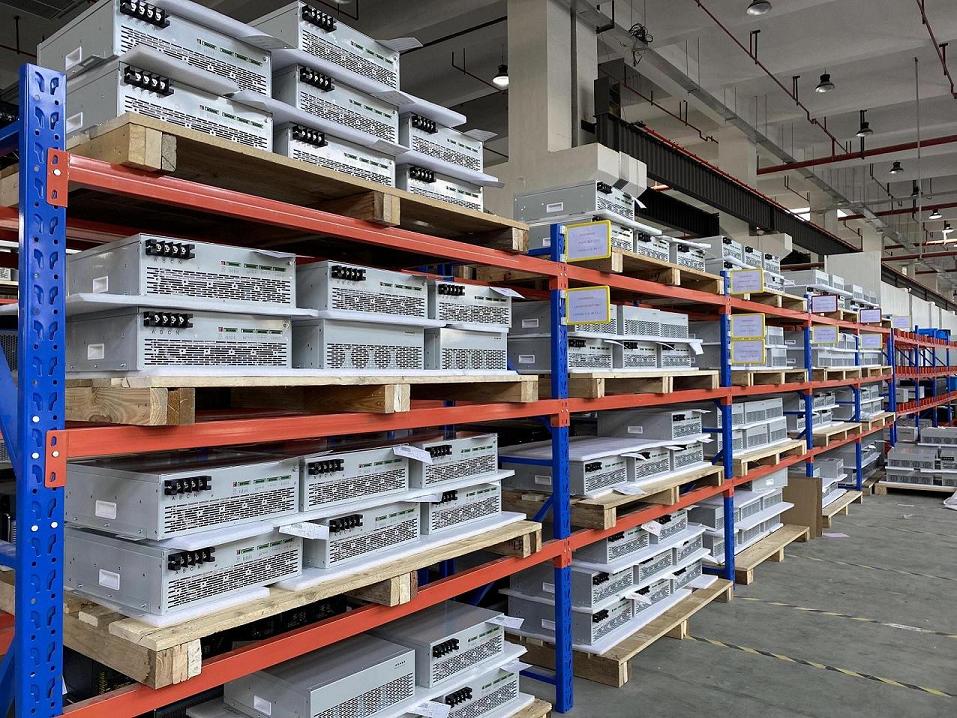
How AHFs Avoid the Resonance Trap:
An AHF provides dual protection: it reduces harmonic distortion and, crucially, enhances system stability by preventing resonant conditions. In dynamic electrical networks, this makes the AHF not just a filter, but a vital guardian of reliability and safety.
Any technical question or inquiry, please contact us.sales@yt-electric.com



 IPv6 network supported