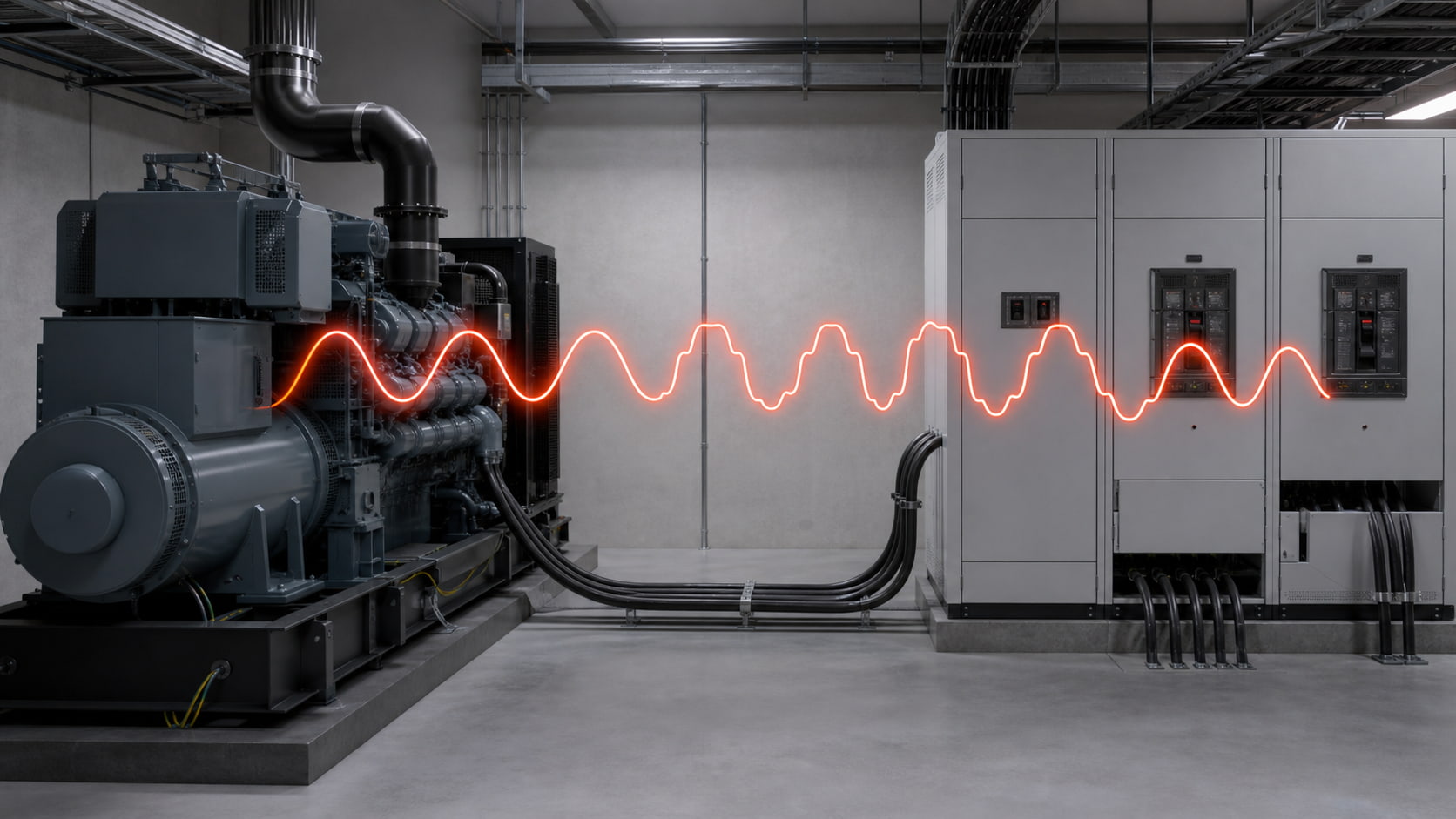
A facility can operate normally on utility power and develop power quality problems after transferring to a standby generator. Drives trip, UPS systems report input faults and lights flicker—even though the load has not changed. Nonlinear loads are usually already generating harmonic current. The generator provides a weaker source, allowing the same current distortion to create greater volta...
A vehicle body shop can run hundreds of welding points per minute, while robots, presses, conveyors, paint lines and HVAC systems change their electrical demand continuously. The production line may look mechanically stable, but the electrical load seen by the transformer is not. Rapid reactive-power changes, low power factor, voltage fluctuation and harmonic current can appear whenever several we...
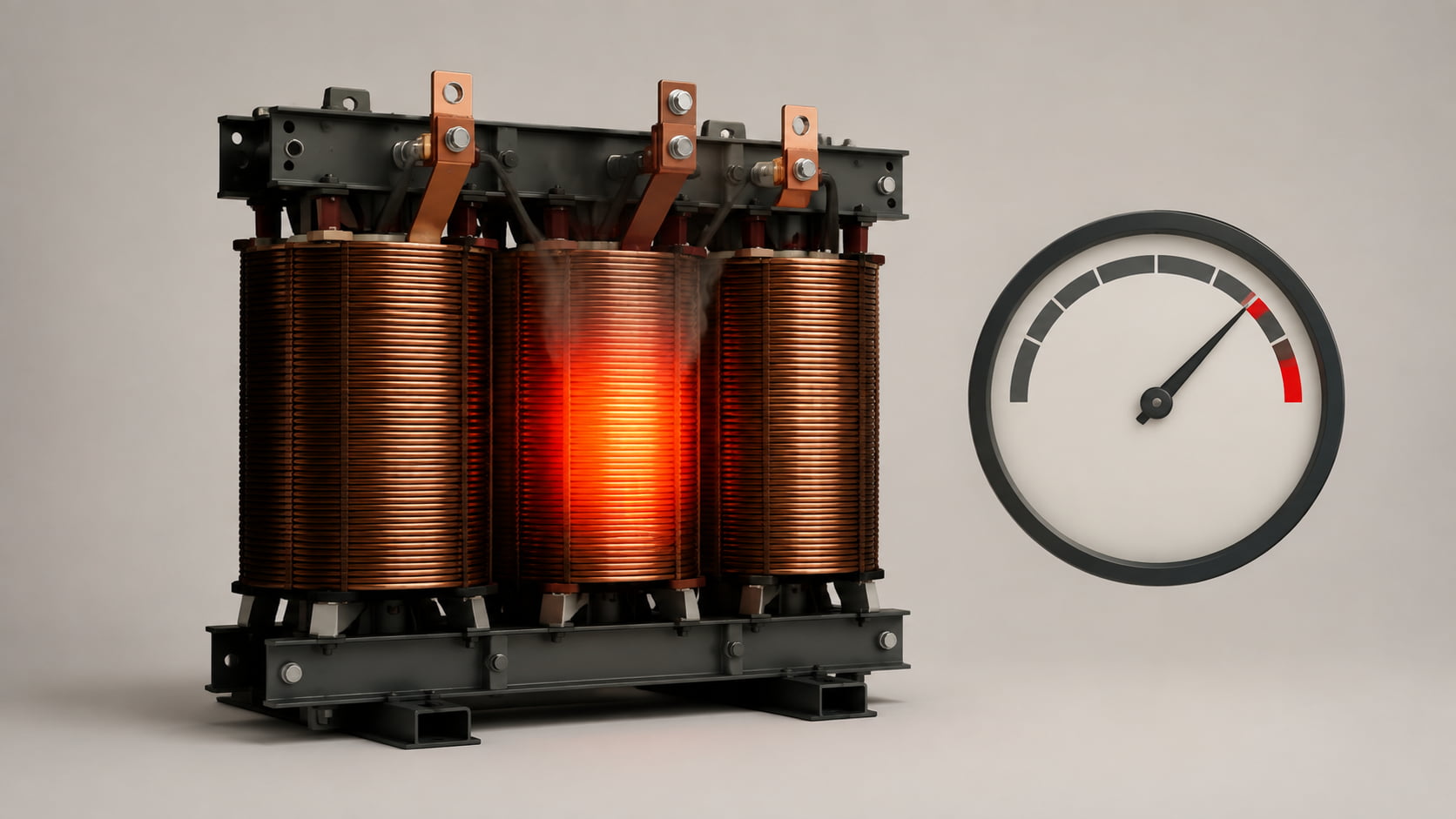
Transformer Overheating Explained: Why It Happens Below Rated Load A transformer can run unusually hot even when the connected load appears safely below its nameplate rating. Current may seem acceptable while winding or enclosure temperatures continue rising. This often happens because loading is assessed only in kilowatts or average amperes. Harmonics, imbalance, poor power factor and inad...
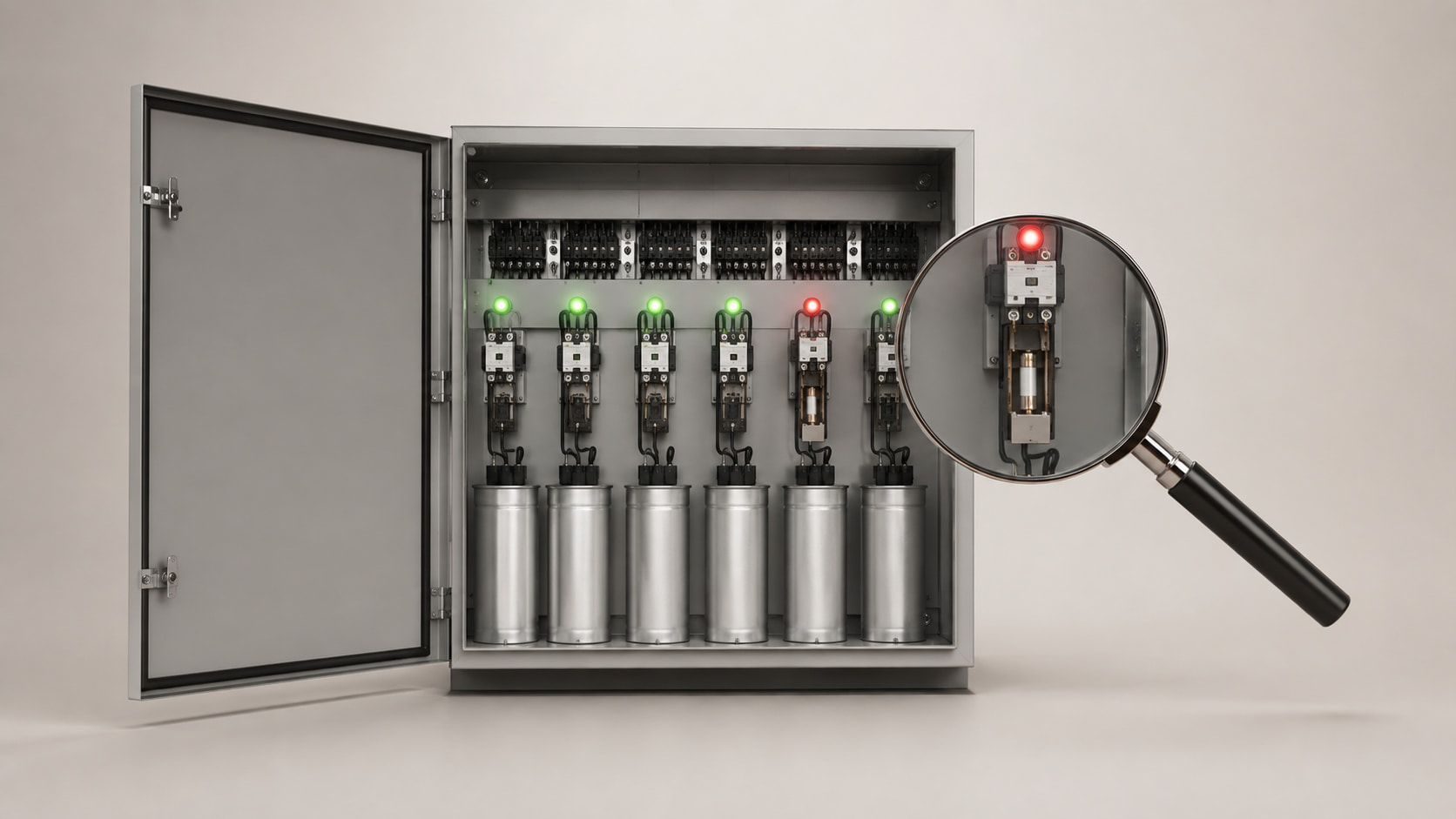
APFC Panel Troubleshooting: 7 Common Faults and How to Fix Them An automatic power factor correction panel may begin switching incorrectly, miss its target or repeatedly trip capacitor stages. A newly commissioned APFC panel can also fail from its first day. The cause is not always a defective capacitor. CT installation, controller settings, harmonics, switching components and changing load...
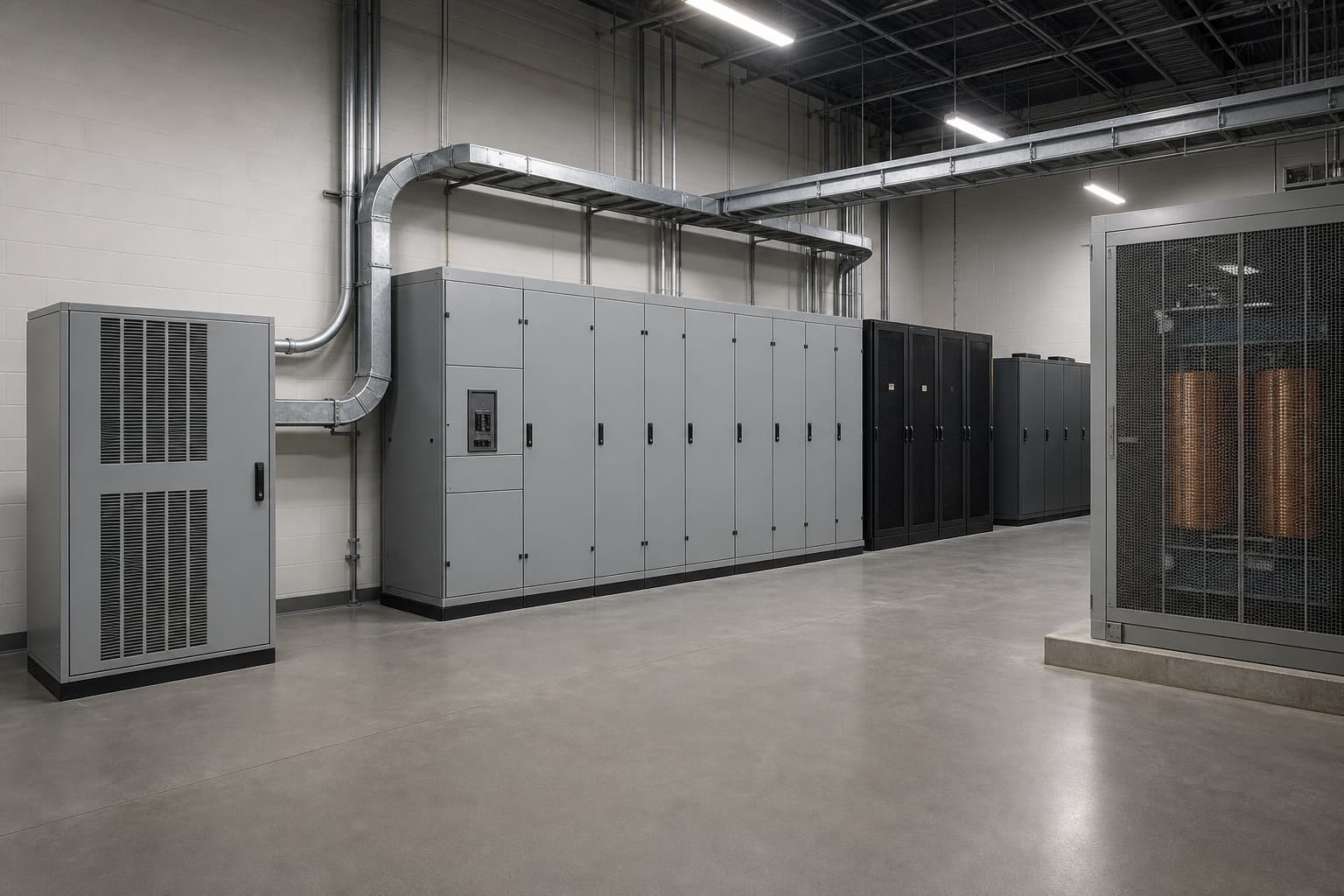
Active Harmonic Filter: Extend Transformer Life A 480 V transformer that runs within nameplate kVA can develop abnormal temperature rise when VFDs, UPS rectifiers, and switched-mode loads inject high harmonic current into its secondary bus. The transformer does not see only useful fundamental current; it carries distorted current through its windings, terminations, and neutral conduc...
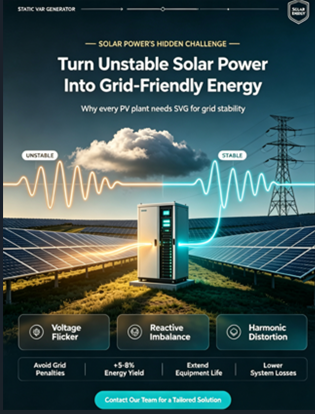
Solar Power’s Hidden Challenge: Why Every PV Plant Needs SVG for Grid Stability Solar energy is clean and abundant, but photovoltaic systems have a built‑in weakness – their output is inherently unstable. Clouds, temperature changes, and the day‑night cycle cause sudden power fluctuations that create serious power quality issues. These problems can damage equipment, trigger utility pen...


 English
 français
 Deutsch
 español
 العربية
 中文
中文



 IPv6 network supported