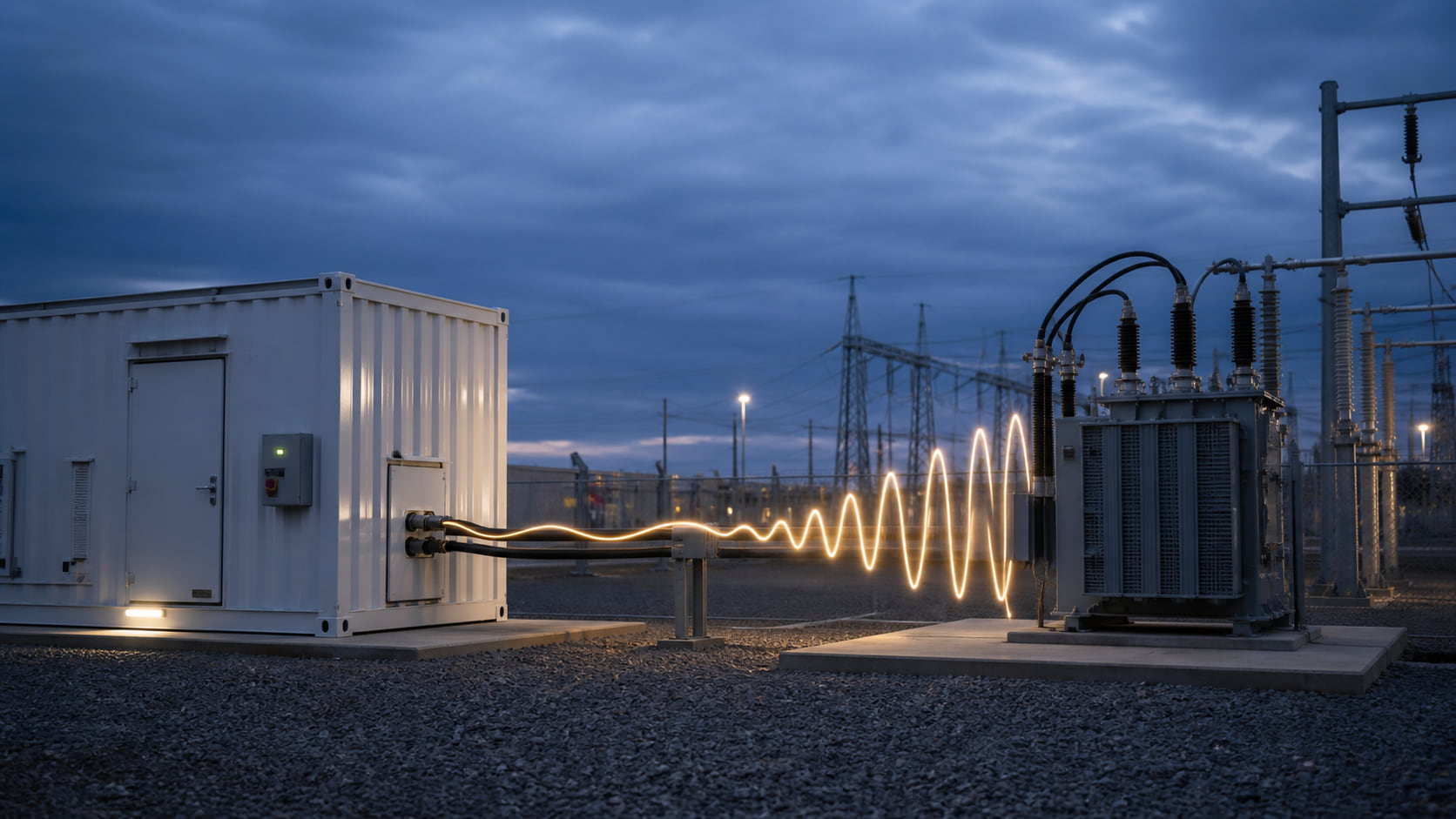
A battery energy storage system can satisfy the harmonic limits at its point of common coupling and still introduce a resonant frequency into the electrical network. This is not a contradiction.Grid compliance confirms that voltage and current distortion remain within defined limits under the conditions assessed. Harmonic resonance describes how the complete electrical system responds at different...
Introduction: When the Protector Needs Protection Every facility manager knows the UPS is the last line of defense — the safety net that keeps critical operations alive when the grid fails or voltage sags. But there is an irony discovered only after equipment fails: the very load the UPS protects can quietly damage the UPS itself. Modern critical loads are almost always nonlinear. Rad...
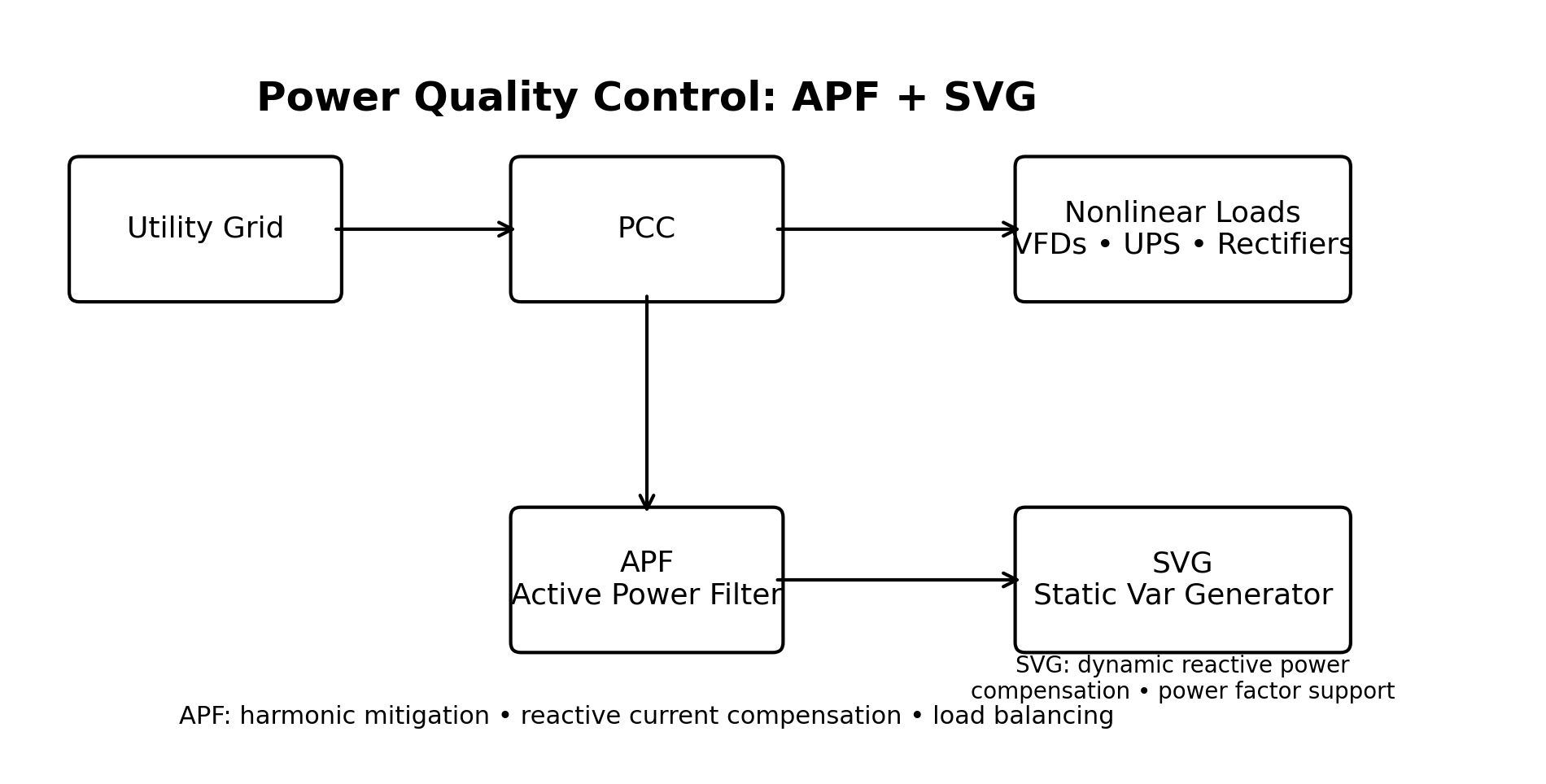
In modern industrial environments, automated manufacturing lines, variable frequency drives (VFDs), dynamic robotics, and heavy inductive loads have placed unprecedented demands on power distribution networks. While investing in power quality equipment is vital to reduce downtime, avoid utility penalties, and improve energy efficiency, selecting the wrong solution can lead to costly equipment fail...
Installing a capacitor bank should improve power factor, reduce reactive power demand and release capacity in transformers and cables. However, some facilities find that their power factor remains below the utility target even after the capacitor bank has been commissioned. This does not necessarily mean the capacitor bank is defective. The cause may be incorrect sizing, changing loads, harmonic d...
A robotic welding cell can run perfectly for hours and still expose a serious weakness in the factory power system when several lines start together. The symptom may be a hot neutral conductor, a nuisance trip, a voltage complaint from a servo drive, or a transformer that operates above its expected temperature. In many cases, the root cause is not a single defective machine. It is three-phase loa...
A vehicle body shop can run hundreds of welding points per minute, while robots, presses, conveyors, paint lines and HVAC systems change their electrical demand continuously. The production line may look mechanically stable, but the electrical load seen by the transformer is not. Rapid reactive-power changes, low power factor, voltage fluctuation and harmonic current can appear whenever several we...
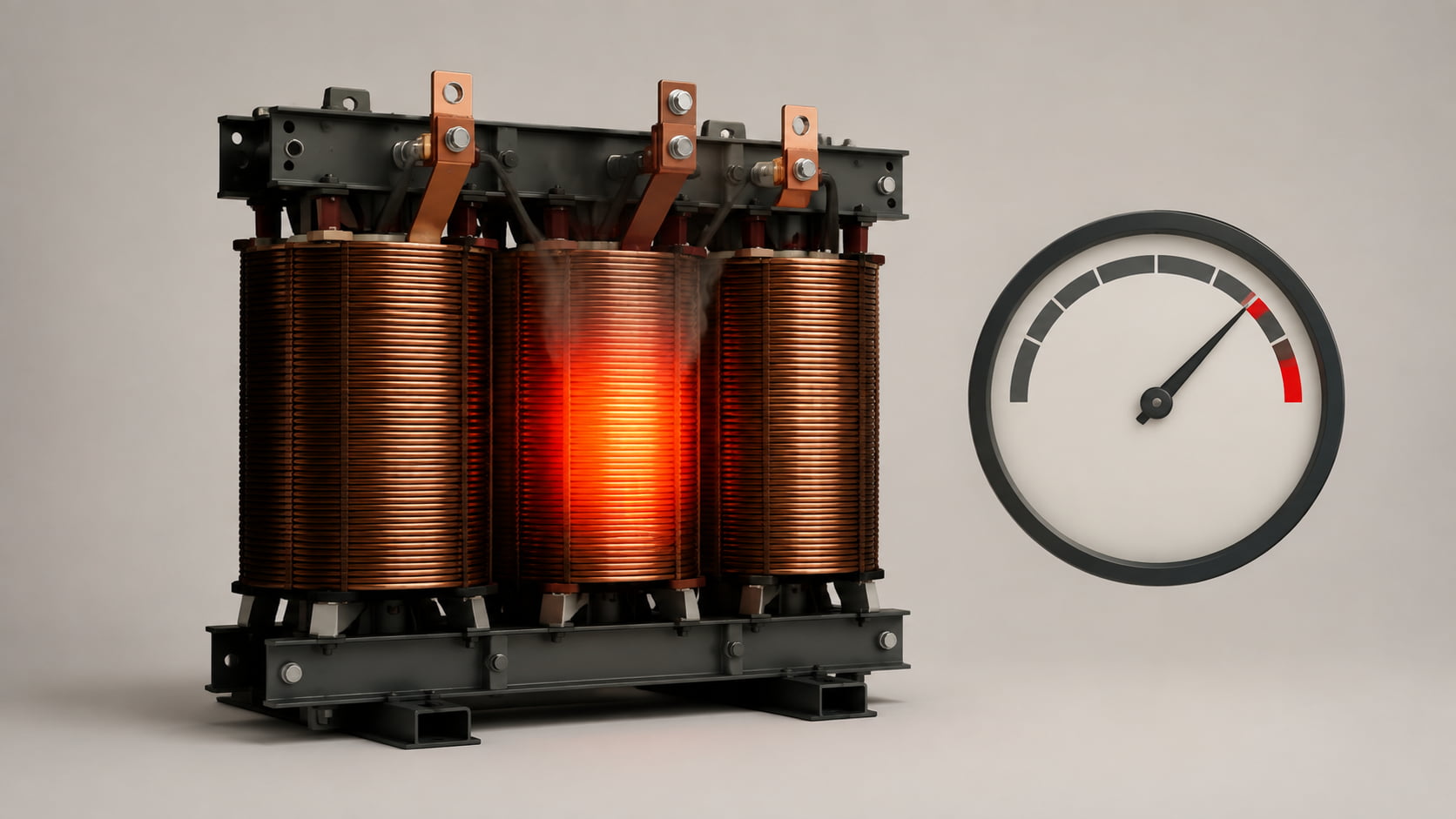
Transformer Overheating Explained: Why It Happens Below Rated Load A transformer can run unusually hot even when the connected load appears safely below its nameplate rating. Current may seem acceptable while winding or enclosure temperatures continue rising. This often happens because loading is assessed only in kilowatts or average amperes. Harmonics, imbalance, poor power factor and inad...
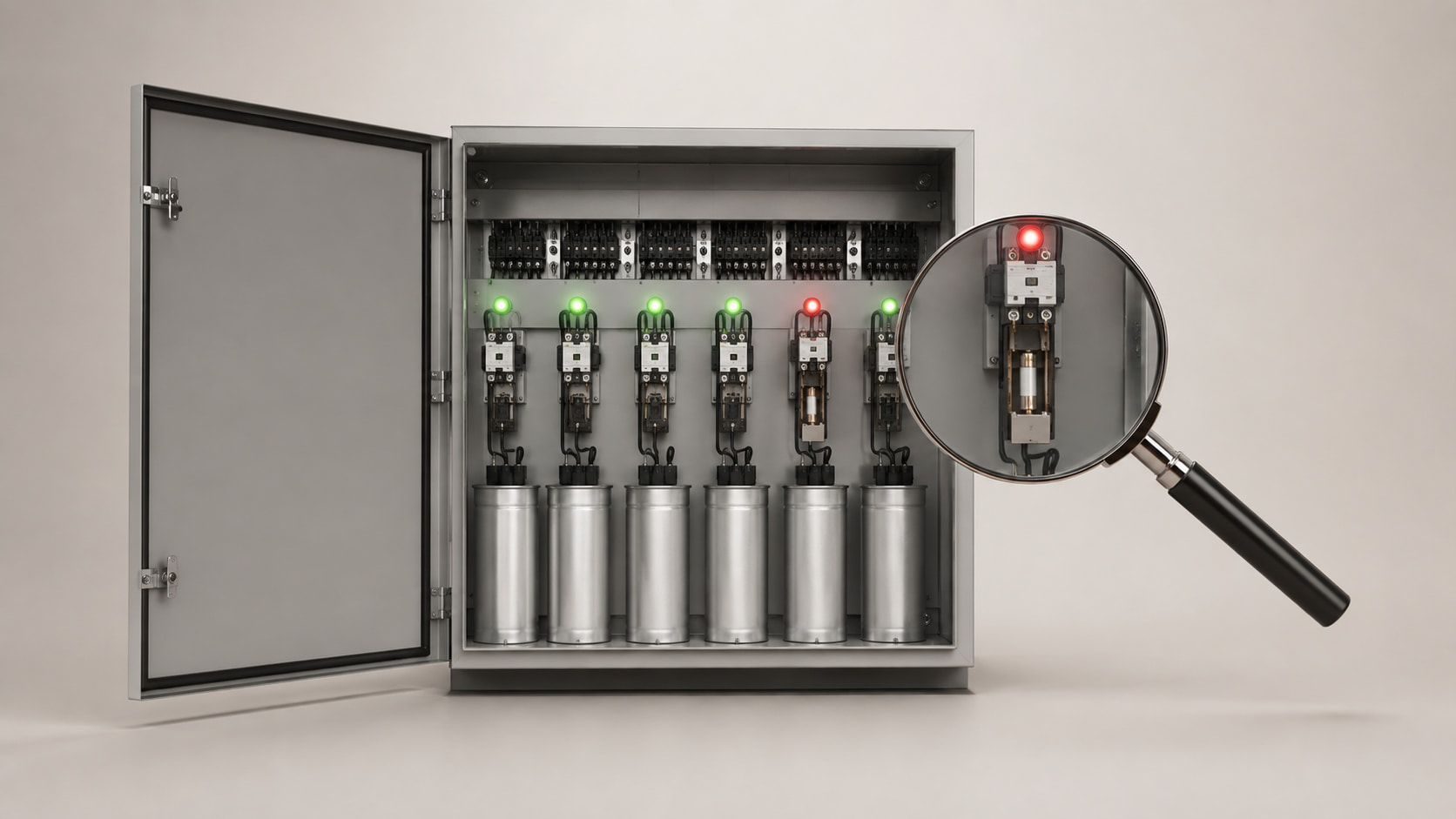
APFC Panel Troubleshooting: 7 Common Faults and How to Fix Them An automatic power factor correction panel may begin switching incorrectly, miss its target or repeatedly trip capacitor stages. A newly commissioned APFC panel can also fail from its first day. The cause is not always a defective capacitor. CT installation, controller settings, harmonics, switching components and changing load...


 English
 français
 Deutsch
 español
 العربية
 中文
中文



 IPv6 network supported