Quick answer: 50 Hz and 60 Hz mean 50 and 60 alternating-current cycles per second, respectively. Equipment marked 50/60 Hz can generally use either frequency when the supply meets its voltage and phase requirements. If the equipment requires a different supply frequency, use a suitably rated frequency converter. A standard transformer changes voltage at the same frequency. Many countries in Europ...
As industries across the globe strive towards decarbonization, the steel sector is undergoing a significant transformation. The shift from traditional fossil-fuel-based steel production to more sustainable, electrified methods—commonly known as “Green Steel” production—has the potential to significantly reduce the carbon footprint of this crucial industry. However, with thi...
How to Measure Power Quality Efficient energy use is a key goal for organizations and institutions that generate, transmit, and distribute electricity. Improving efficiency requires better power quality, otherwise, it can harm electrical systems. Measuring power quality is essential to identify and fix these issues. Accurate measurements from correct points are critical. I. Introduction Mos...
Addressing Power Quality Issues in Russian Electrical Networks The power quality in Russian electrical networks fails to meet established regulatory standards, causing significant challenges across various sectors of society. Economic losses are among the most severe consequences. As the digital economy evolves, power quality requirements intensify due to the increasing reliance on sen...
Introduction Power quality refers to the characteristics of electric power supplied to end users, particularly its ability to ensure the proper functioning of electrical devices. With the increasing use of sensitive equipment such as programmable logic controllers, variable frequency drives (VFDs), and computers in modern industries, the tolerance for power disturbances such as voltage dips, swell...
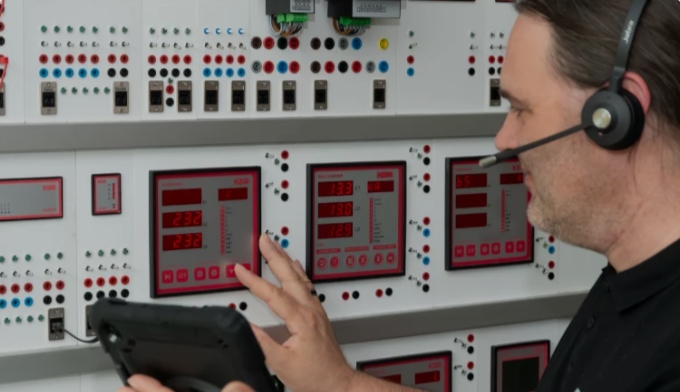
Power quality metering for industrial efficiency In today's competitive industrial landscape, ensuring an uninterrupted, stable, and efficient power supply is essential. Power quality issues such as voltage fluctuations, harmonic distortion, and poor power factor can lead to significant operational downtime, costly equipment repairs, and reduced energy efficiency. Power quality metering is a criti...
Power Quality Challenges: An Invisible Barrier to Economic Growth Electricity access has made significant strides across the globe, and more people than ever are connecting to the power grid. However, even in regions where access is available, many face a more insidious issue: poor power quality. This issue, which is often less visible than frequent power outages, presents a major challenge...
Guide to Selecting Active Harmonic Filters In the realm of modern electrical power systems, the significance of active harmonic filters (AHFs) cannot be overstated. They are the guardians of power quality, ensuring that electrical equipment operates smoothly by effectively counteracting harmonic distortions. When it comes to making a purchase decision for an AHF, a multitude of critical fac...


 English
 français
 Deutsch
 español
 العربية
 中文




 IPv6 network supported