A robotic welding cell can run perfectly for hours and still expose a serious weakness in the factory power system when several lines start together. The symptom may be a hot neutral conductor, a nuisance trip, a voltage complaint from a servo drive, or a transformer that operates above its expected temperature. In many cases, the root cause is not a single defective machine. It is three-phase loa...
A vehicle body shop can run hundreds of welding points per minute, while robots, presses, conveyors, paint lines and HVAC systems change their electrical demand continuously. The production line may look mechanically stable, but the electrical load seen by the transformer is not. Rapid reactive-power changes, low power factor, voltage fluctuation and harmonic current can appear whenever several we...
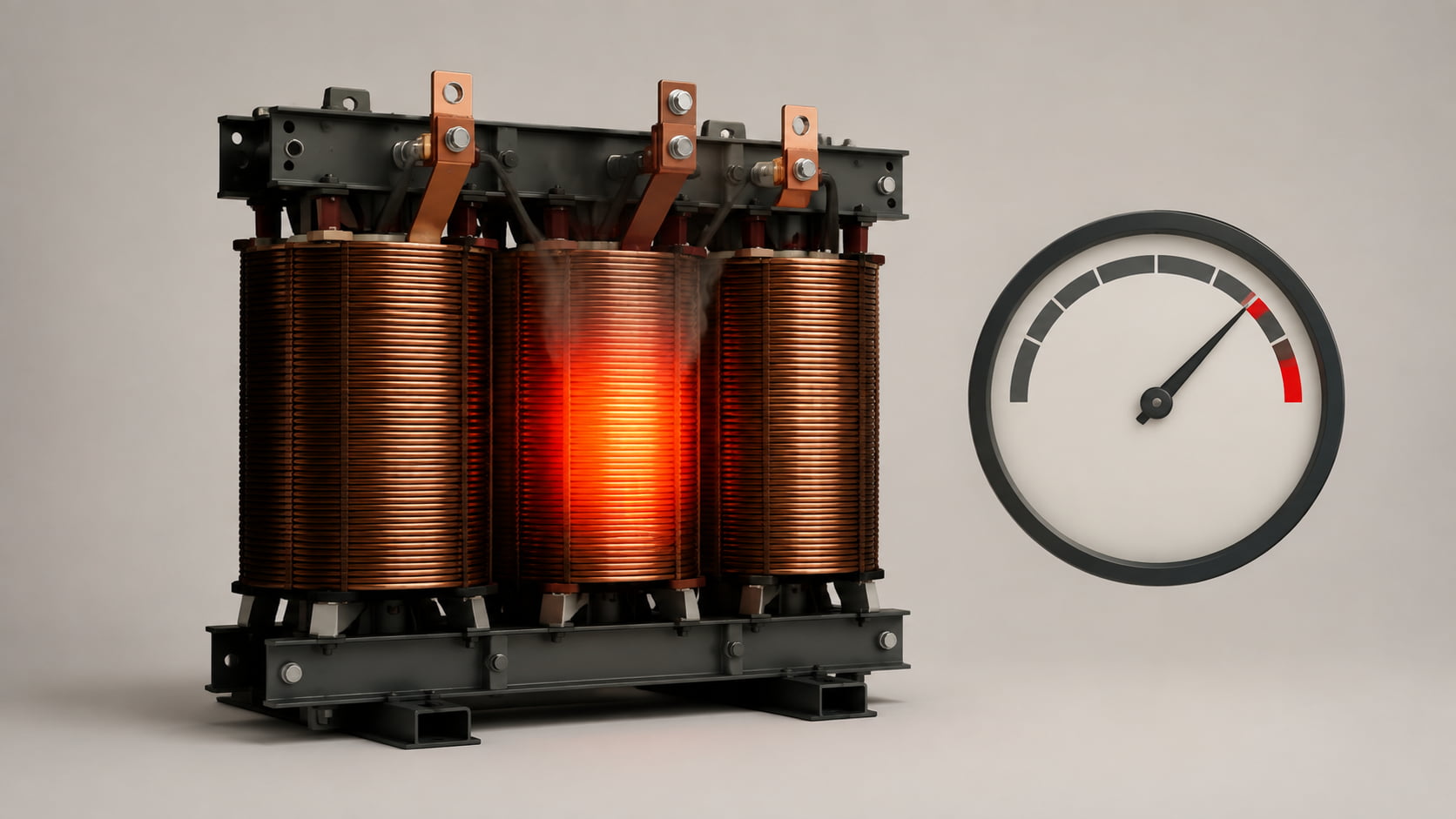
Transformer Overheating Explained: Why It Happens Below Rated Load A transformer can run unusually hot even when the connected load appears safely below its nameplate rating. Current may seem acceptable while winding or enclosure temperatures continue rising. This often happens because loading is assessed only in kilowatts or average amperes. Harmonics, imbalance, poor power factor and inad...
How to Maintain and Care for Your Electrical Power Equipment? Modern electrical systems rely heavily on advanced devices like Static Var Generators (SVGs) and Active Harmonic Filters (AHFs) to ensure stable power quality, energy efficiency, and equipment longevity. However, even the most sophisticated systems require regular maintenance to perform optimally. Neglecting upkeep can lead to inefficie...
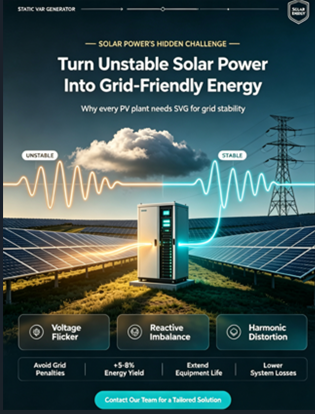
Solar Power’s Hidden Challenge: Why Every PV Plant Needs SVG for Grid Stability Solar energy is clean and abundant, but photovoltaic systems have a built‑in weakness – their output is inherently unstable. Clouds, temperature changes, and the day‑night cycle cause sudden power fluctuations that create serious power quality issues. These problems can damage equipment, trigger utility pen...


 English
 français
 Deutsch
 español
 العربية
 中文
中文



 IPv6 network supported