Power quality management in distributed photovoltaic (PV) refers to the measures and strategies employed to ensure the reliable and efficient operation of PV systems while maintaining the quality of electrical power supplied to the grid. Here are some key aspects of power quality management in distributed photovoltaic: Voltage Regulation: PV systems can introduce voltage fluctuations due to the in...
In the PV Solar field, people carry out a variety of measures and strategies to make PV systems operate dependably and efficiently, and at the same time protect the quality of the electrical power supplied to the grid, which is power quality management. This is crucial for the stable operation of the entire power system. Let's delve deeper into some of the critical aspects of power quality managem...
Power Quality Issues in Photovoltaic Projects and Solutions As the demand for renewable energy continues to rise globally, photovoltaic (PV) projects have become an essential component of the energy mix. Solar energy, while offering significant environmental benefits, introduces several challenges related to power quality when integrated into the grid. In this blog, we will explore the common powe...
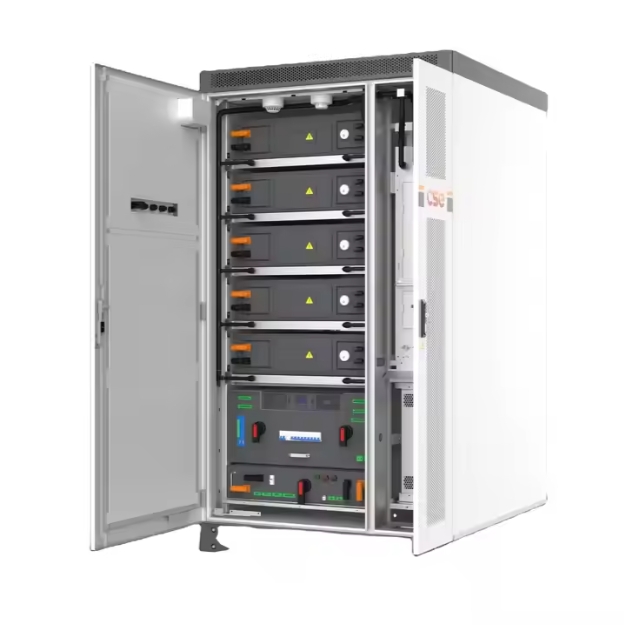
YT ELECTRIC Smart Energy Storage Systems (ESS) for Commercial & Industrial Solar: Power Quality, Peak Shaving, and Grid Resilience Quick Answer: Commercial and industrial (C&I) solar PV microgrids face severe grid-interconnection curtailment, solar intermittency voltage flicker (ΔV > 5%), and high peak-demand utility charges. The YT Electric Smart ESS Solution integrates high-ener...
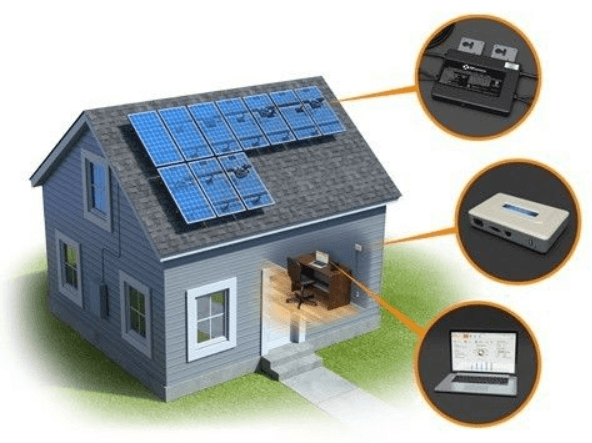
In recent years, people have become more and more aware of environmental protection. At the same time, many want to reduce their reliance on traditional power sources. This is why home solar power systems, or photovoltaic (environmental protection) systems, have become extremely popular. These amazing systems can convert sunlight into electricity that we can use at home. Not only do they help us c...
Microinverters in Residential Photovoltaic Systems Microinverters have emerged as an innovative solution for residential photovoltaic (PV) installations, enhancing energy efficiency, system reliability, and overall performance. Unlike traditional string inverters, which connect multiple solar panels to a single inverter, microinverters are installed individually beneath each solar panel, co...
Microinverters vs. String Inverters: The Future of Solar Panel Power Conversion In the rapidly evolving solar industry, the debate between microinverters and string inverters has become one of the most discussed topics among engineers, installers, and homeowners alike. Both technologies have the same core purpose—converting DC (direct current) from solar panels into usable AC (...
Boosting Solar Output in Shaded Conditions with Microinverters Shading has always been one of the biggest challenges in solar energy production. Whether it’s caused by nearby trees, chimneys, power lines, or seasonal changes in the sun’s angle, even partial shading can lead to significant power losses in a photovoltaic (PV) system. Fortunately, microinverter technology of...

 English
 français
 Deutsch
 español
 العربية
 中文




 IPv6 network supported