Why Your Traditional Capacitor Bank Fails to CompensateReactive Power In power systems, reactive power compensation is key to keeping grids stable and using electricity efficiently. Many businesses use traditional capacitor banks for compensation, only to find they don’t work well in real operation. This article explains simply why standard capacitor banks often fail to compensate reactive p...
Medium Voltage STATCOM for Mining Mining sites depend on stable medium voltage power. Crushers, conveyors, pumps, mills, hoists, compressors, and ventilation systems all place heavy demand on the electrical network. These loads do not always operate at a steady level. They start, stop, ramp up, and change throughout the day. This can create voltage fluctuation, poor power factor, and reactive powe...
A vehicle body shop can run hundreds of welding points per minute, while robots, presses, conveyors, paint lines and HVAC systems change their electrical demand continuously. The production line may look mechanically stable, but the electrical load seen by the transformer is not. Rapid reactive-power changes, low power factor, voltage fluctuation and harmonic current can appear whenever several we...
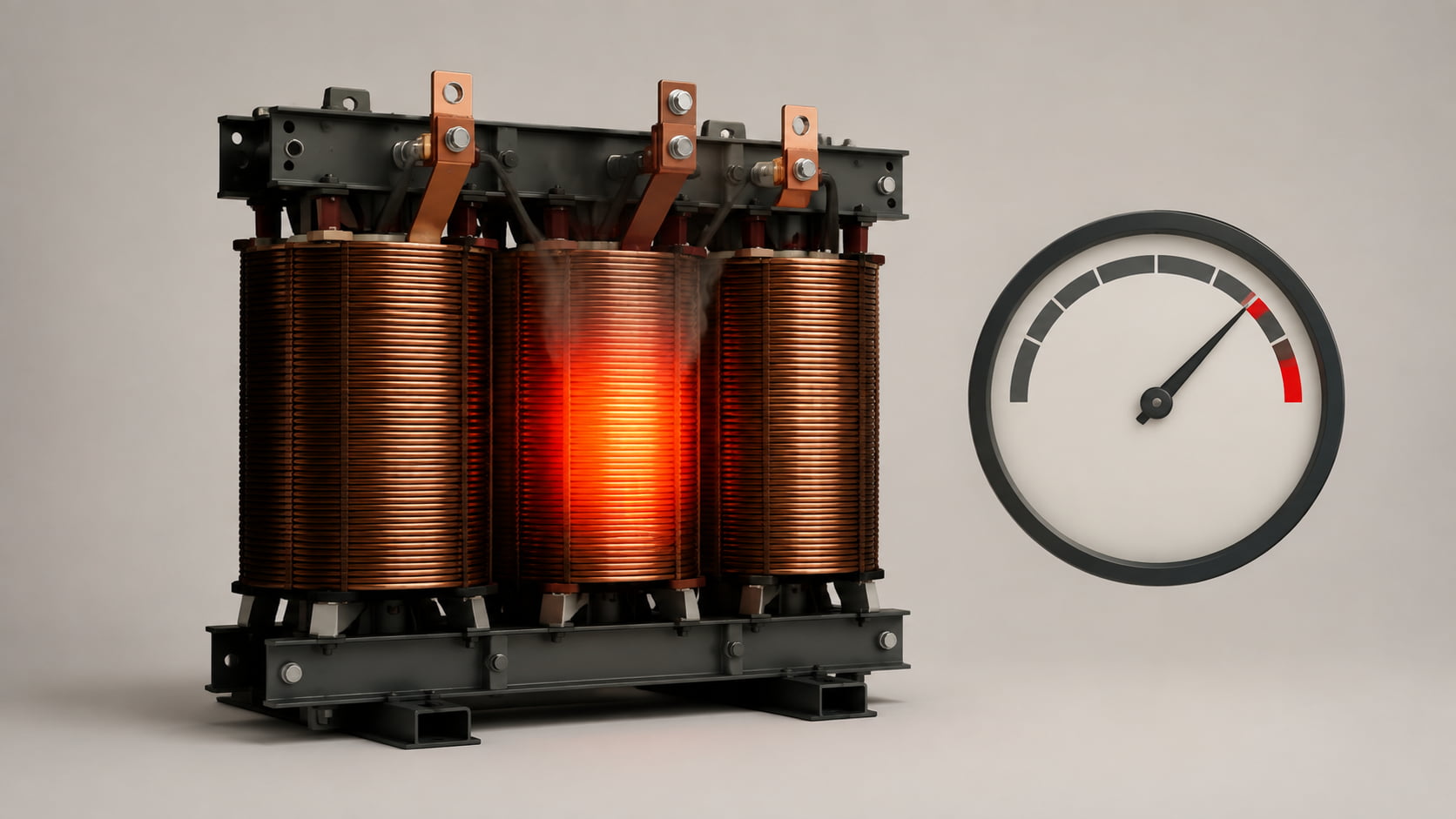
Transformer Overheating Explained: Why It Happens Below Rated Load A transformer can run unusually hot even when the connected load appears safely below its nameplate rating. Current may seem acceptable while winding or enclosure temperatures continue rising. This often happens because loading is assessed only in kilowatts or average amperes. Harmonics, imbalance, poor power factor and inad...


 English
 français
 Deutsch
 español
 العربية
 中文
中文



 IPv6 network supported