What is harmonic and how to manage it? Harmonics denote electrical quantities that possess frequencies which are integer multiples of the fundamental wave present in the current. This concept typically involves the Fourier series decomposition of periodic, non-sinusoidal electrical quantities. In this context, any electrical quantity with a frequency exceeding that of the fundamental wave, derived...
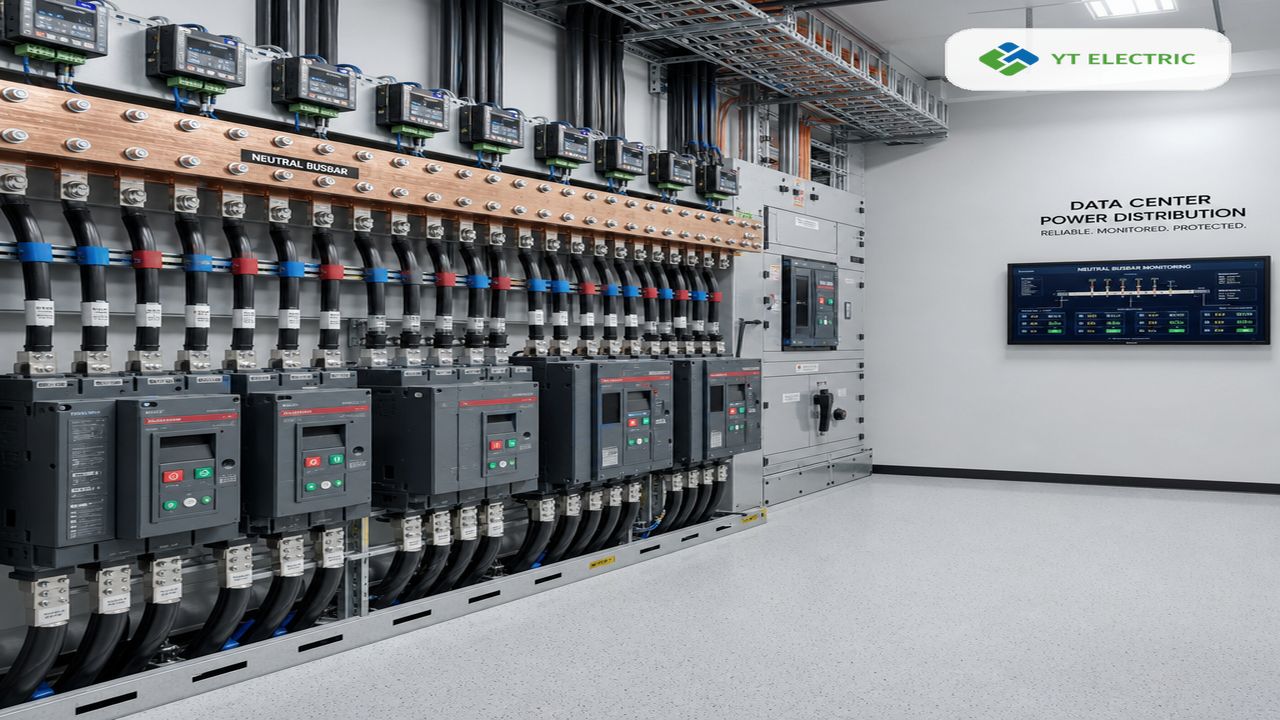
What Causes Excessive Neutral Line Current in Modern Commercial and Industrial Power Distribution Systems? Quick Engineering Answer: Excessive neutral line current in three-phase four-wire (3P4W) distribution systems is caused by two distinct physical mechanisms: (1) Linear Phase Load Unbalance ($I_N = I_A + I_B + I_C$), where unequal single-phase fundamental currents create a vector return curren...
what are the effects of harmonics on electrical systems In the intricate realm of electrical engineering, harmonics emerge as a subtle yet influential phenomenon that can significantly impact the efficiency, reliability, and safety of electrical systems. These unwanted frequencies, riding alongside the fundamental power waveform, can wreak havoc on various components and overall system perf...
Thermal Design and dv/dt Physics: Why 3-Level IGBT Topology Delivers 60% Lower Losses and Double MTBF in AHF and SVG Modular Inverters Quick Engineering Answer: In active power quality filter design, heat dissipation and high-frequency voltage transients (dv/dt) are the primary determinants of equipment lifespan and switchboard reliability. Utilizing a 3-Level Neutral-Point Clamped (NPC) inverter ...
In today's rapidly advancing world, the reliability and quality of power have become more critical than ever. The interconnected systems and sensitive electronic devices of the modern digital economy require an almost perfect power supply. However, power quality (PQ) issues such as voltage sags, harmonics, and transients remain prevalent, posing significant challenges to utilities and end-users al...
What is the active power compensator? Active Power Compensator (APC) is an advanced power electronic device used to manage and optimize the flow of active power in electrical power systems. It helps to enhance power quality, improve voltage stability, and increase the overall efficiency of the power distribution network. APCs are particularly useful in applications where there are significant fluc...
A leading power factor occurs when the fundamental current leads the voltage at the measurement point. If excess capacitive reactive power is the cause, a static var generator (SVG) with bidirectional compensation can draw inductive reactive current. This reduces the net capacitive kvar seen at the meter. What causes a leading power factor? Capacitor banks at light load. Fixed capacitors or steps ...
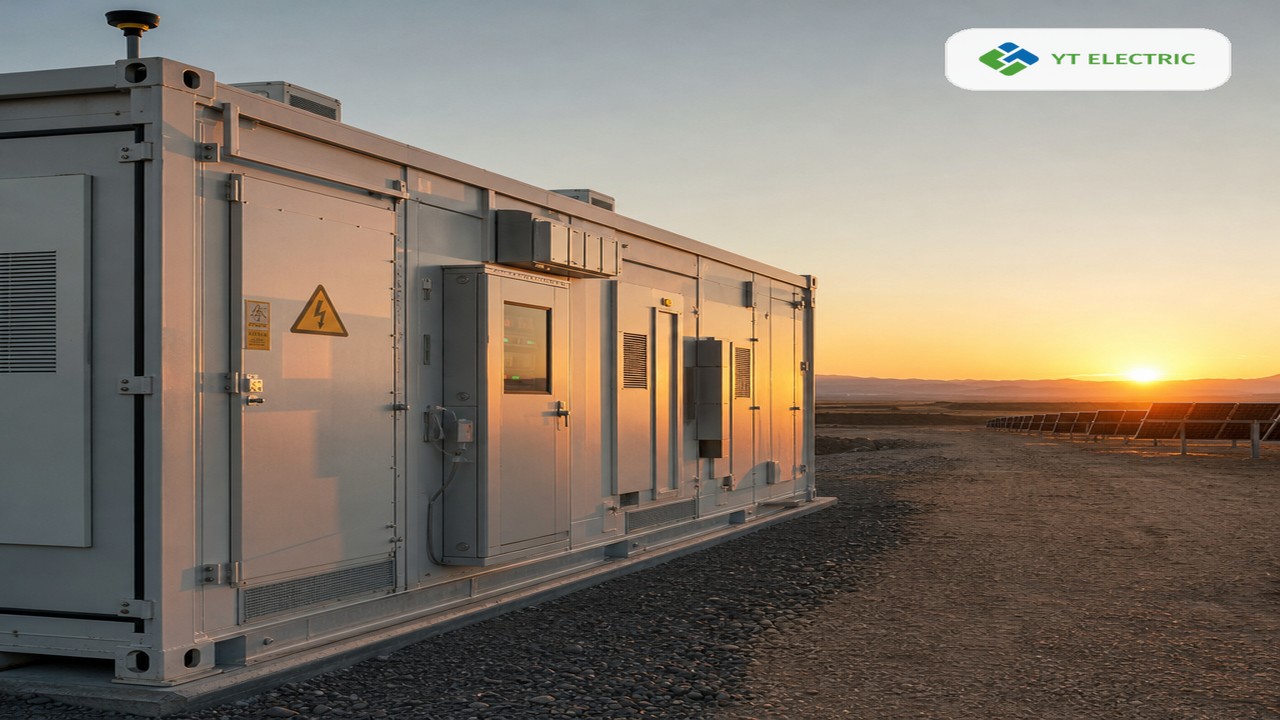
Why Dynamic Reactive Power Compensation is Mandatory on Utility-Scale Solar PV Farms: Grid Interconnection Engineering Guide Quick Engineering Answer: Dynamic reactive power compensation is mandatory on utility-scale solar photovoltaic (PV) farms to satisfy stringent utility grid interconnection codes (such as IEEE 2800, IEEE 1547, and ENTSO-E). Intermittent cloud cover creates rapid active power ...


 English
 français
 Deutsch
 español
 العربية
 中文




 IPv6 network supported