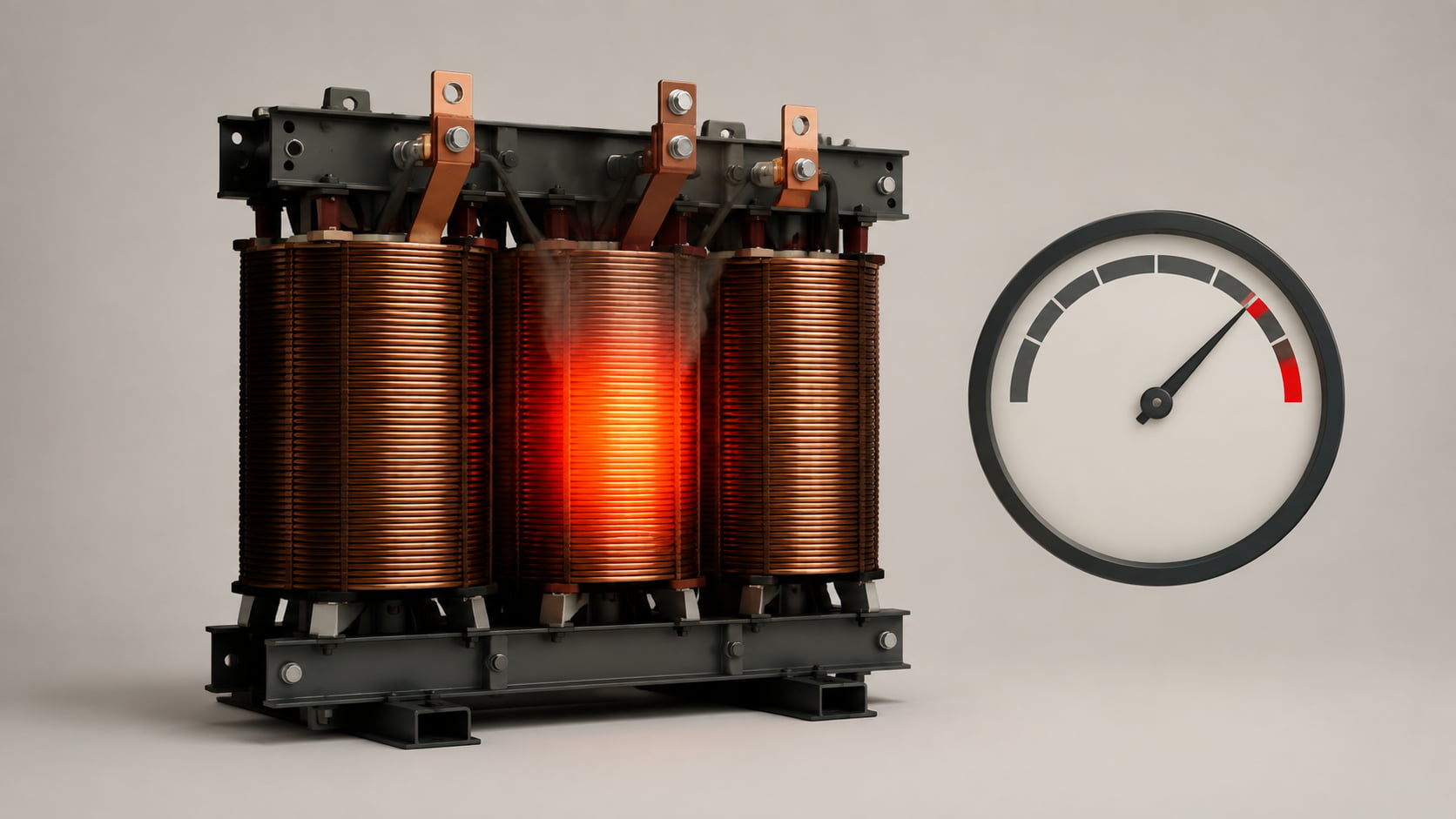
Transformer Overheating Explained: Why It Happens Below Rated Load A transformer can run unusually hot even when the connected load appears safely below its nameplate rating. Current may seem acceptable while winding or enclosure temperatures continue rising. This often happens because loading is assessed only in kilowatts or average amperes. Harmonics, imbalance, poor power factor and inad...
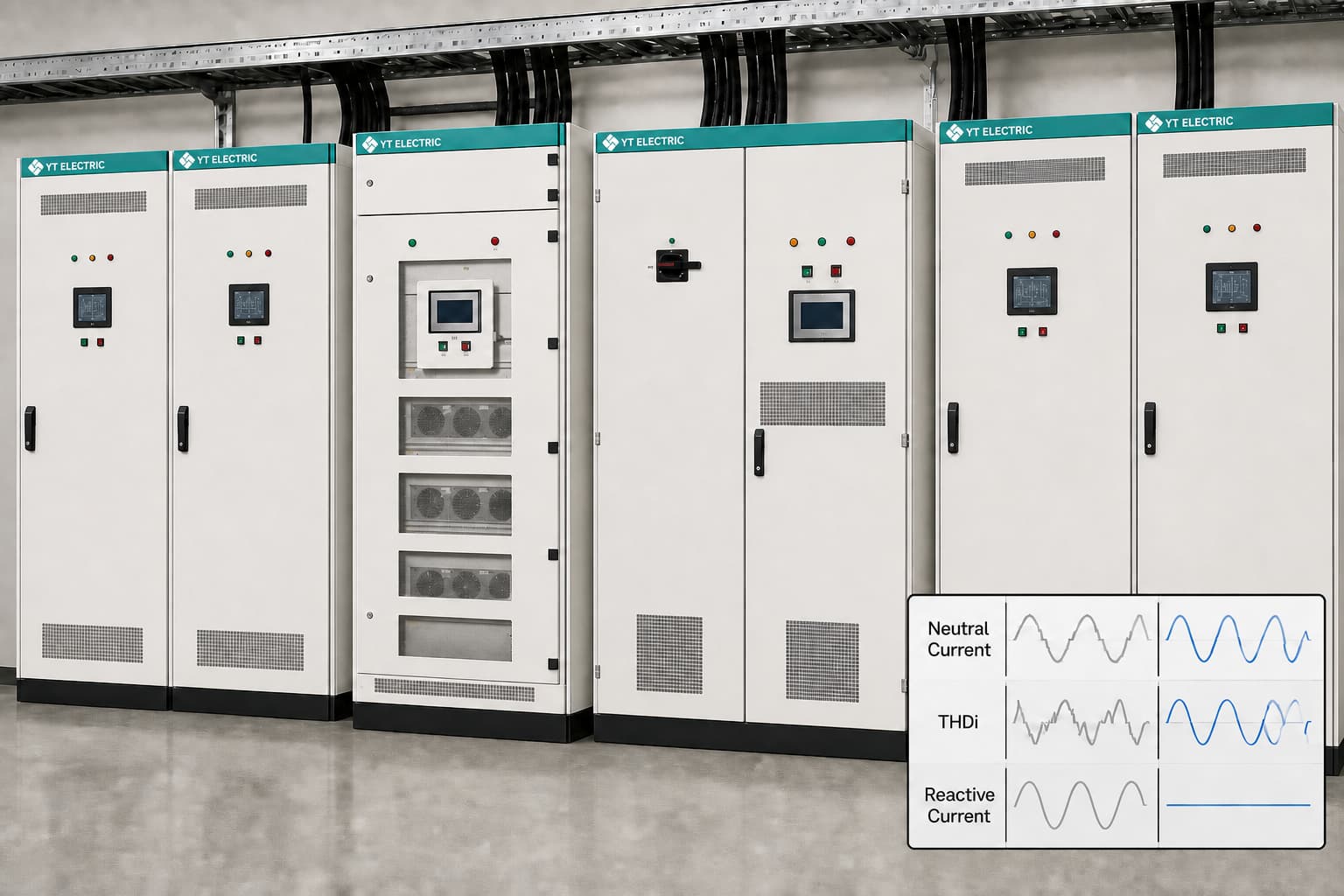
From Energy Waste to Energy Intelligence: How AHF and SVG Transform Industrial Power Systems Why distorted current becomes energy waste A six-pulse VFD, rectifier, UPS front end, or welding supply draws current in pulses rather than a clean sine wave. Those pulses contain characteristic harmonic components, and the resulting Total Harmonic Distortion increases RMS current even...
Transformer Overheating from Harmonics: K-Factor vs AHF Mitigation In heavy industry, large data centers, and plants packed with VFDs and six-pulse rectifiers, a distribution transformer can run within its nameplate kVA and still develop abnormal temperature rise, oil-temperature alarms, or accelerated winding insulation ageing. The usual load-current check misses the frequency content of that cur...
Centralized vs Distributed AHF & SVG Placement Designing an effective power quality strategy for multi-transformer industrial plants, data centers, and manufacturing facilities requires far more than calculating total harmonic current (Ih) or reactive power (kvar) ratings. The physical placement of Active Harmonic Filters (AHF) and Static Var Generators (SVG) governs whether an installation me...


 English
 français
 Deutsch
 español
 العربية
 中文




 IPv6 network supported

