A vehicle body shop can run hundreds of welding points per minute, while robots, presses, conveyors, paint lines and HVAC systems change their electrical demand continuously. The production line may look mechanically stable, but the electrical load seen by the transformer is not. Rapid reactive-power changes, low power factor, voltage fluctuation and harmonic current can appear whenever several we...
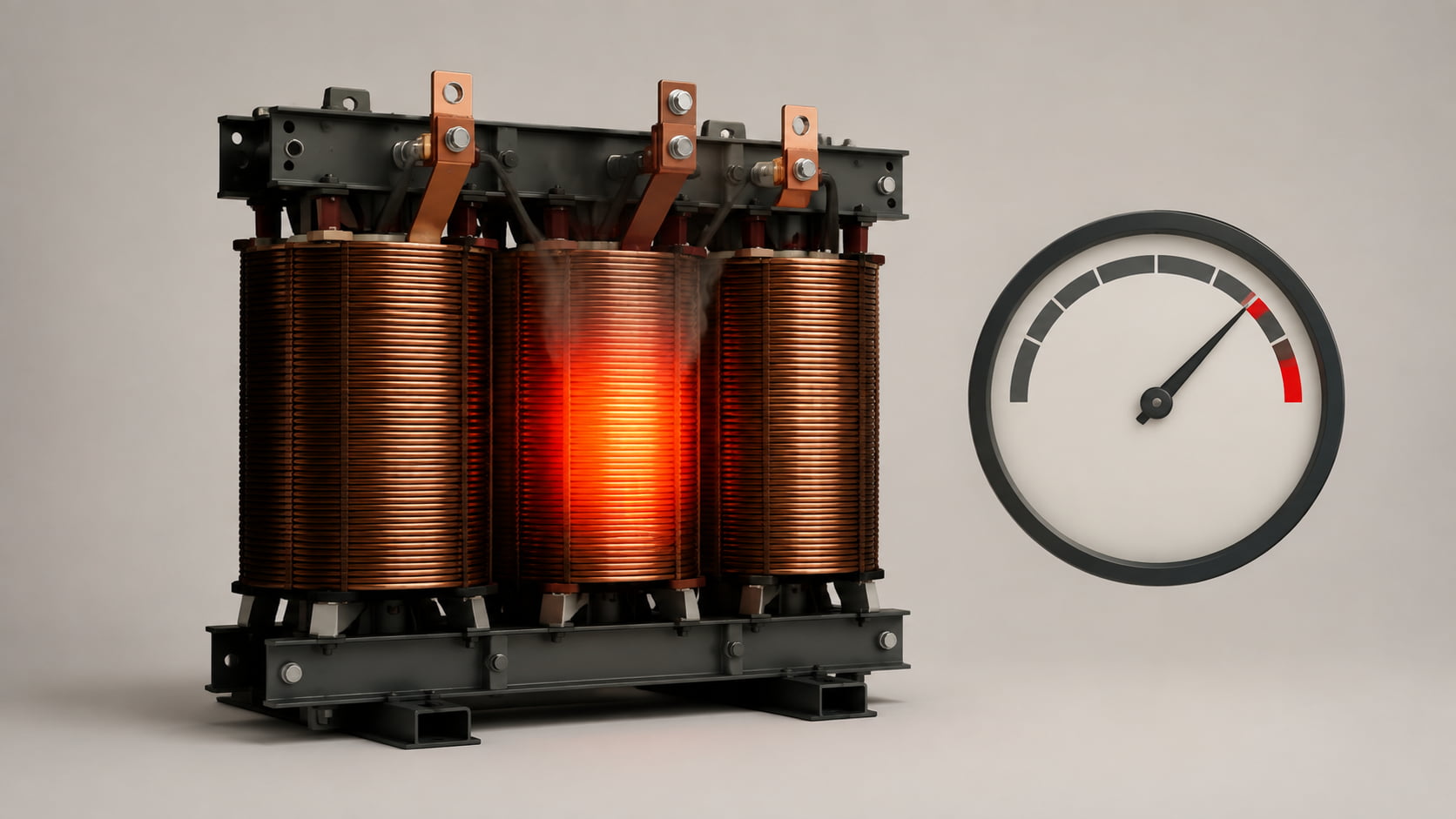
Transformer Overheating Explained: Why It Happens Below Rated Load A transformer can run unusually hot even when the connected load appears safely below its nameplate rating. Current may seem acceptable while winding or enclosure temperatures continue rising. This often happens because loading is assessed only in kilowatts or average amperes. Harmonics, imbalance, poor power factor and inad...
Active Harmonic Filter: Extend Transformer Life A 480 V transformer that runs within nameplate kVA can develop abnormal temperature rise when VFDs, UPS rectifiers, and switched-mode loads inject high harmonic current into its secondary bus. The transformer does not see only useful fundamental current; it carries distorted current through its windings, terminations, and neutral conduc...
Even‑Order Harmonics Are Silent Killers – Here’s How Active Harmonic Filter Delivers the Cure Most power quality discussions focus on odd harmonics like the 3rd, 5th, and 7th. But even‑order harmonics – 2nd, 4th, 6th, and beyond – are equally dangerous, often more damaging, and far harder to eliminate with traditional passive filters. They creep into your system from rectif...


 English
 français
 Deutsch
 español
 العربية
 中文
中文




 IPv6 network supported