Walking into a steel melting shop, you feel the raw power. Arc furnaces roar, induction furnaces hum at high frequencies, and the electricity demand is staggering. But behind this impressive industrial might lies a hidden cost – poor power quality that drains profits and threatens equipment. The Real Trouble: Reactive Power and Start-Up Mayhem Electric arc furnaces and medium-frequency induc...
Installing a capacitor bank should improve power factor, reduce reactive power demand and release capacity in transformers and cables. However, some facilities find that their power factor remains below the utility target even after the capacitor bank has been commissioned. This does not necessarily mean the capacitor bank is defective. The cause may be incorrect sizing, changing loads, harmonic d...
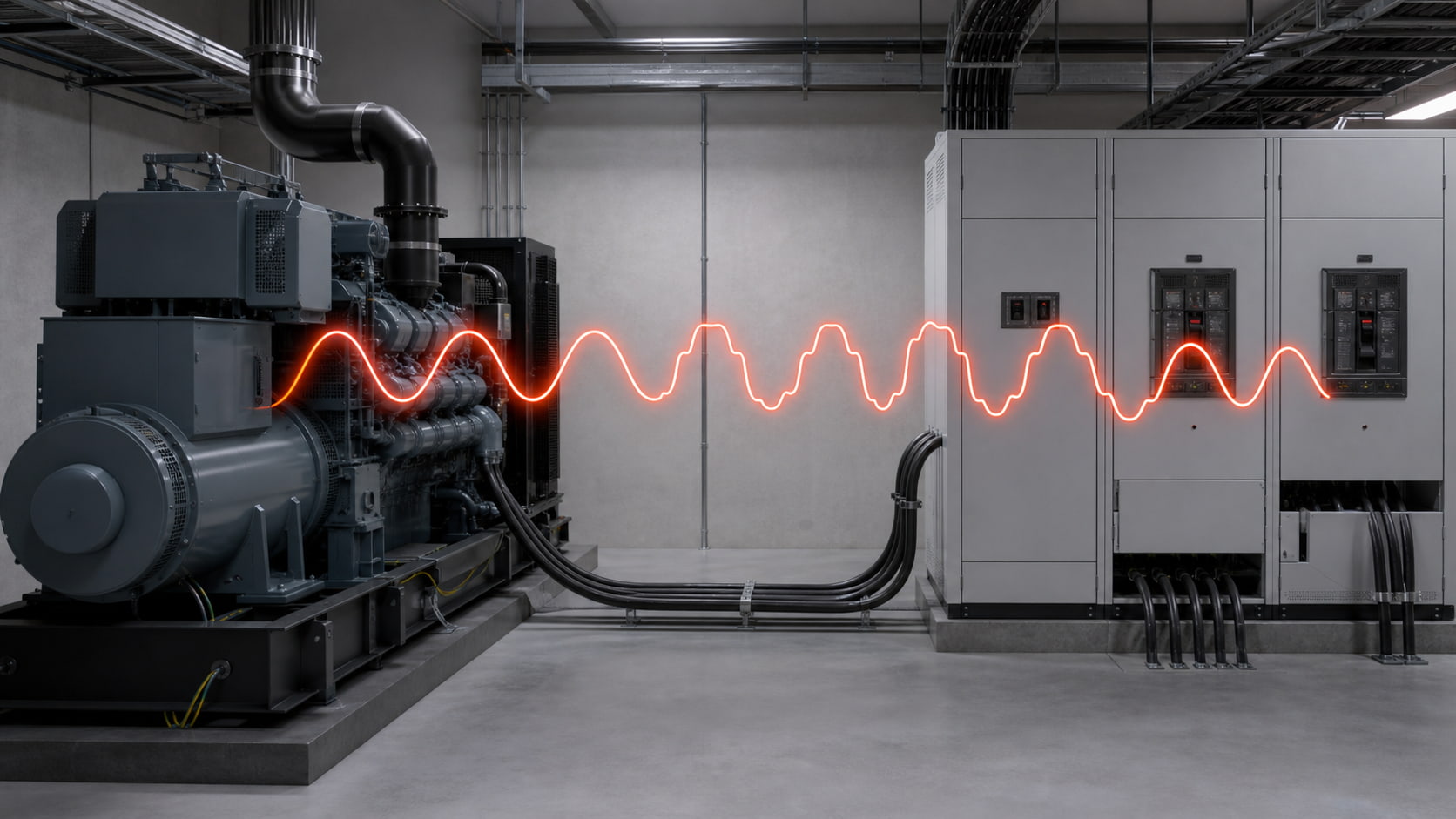
A facility can operate normally on utility power and develop power quality problems after transferring to a standby generator. Drives trip, UPS systems report input faults and lights flicker—even though the load has not changed. Nonlinear loads are usually already generating harmonic current. The generator provides a weaker source, allowing the same current distortion to create greater volta...
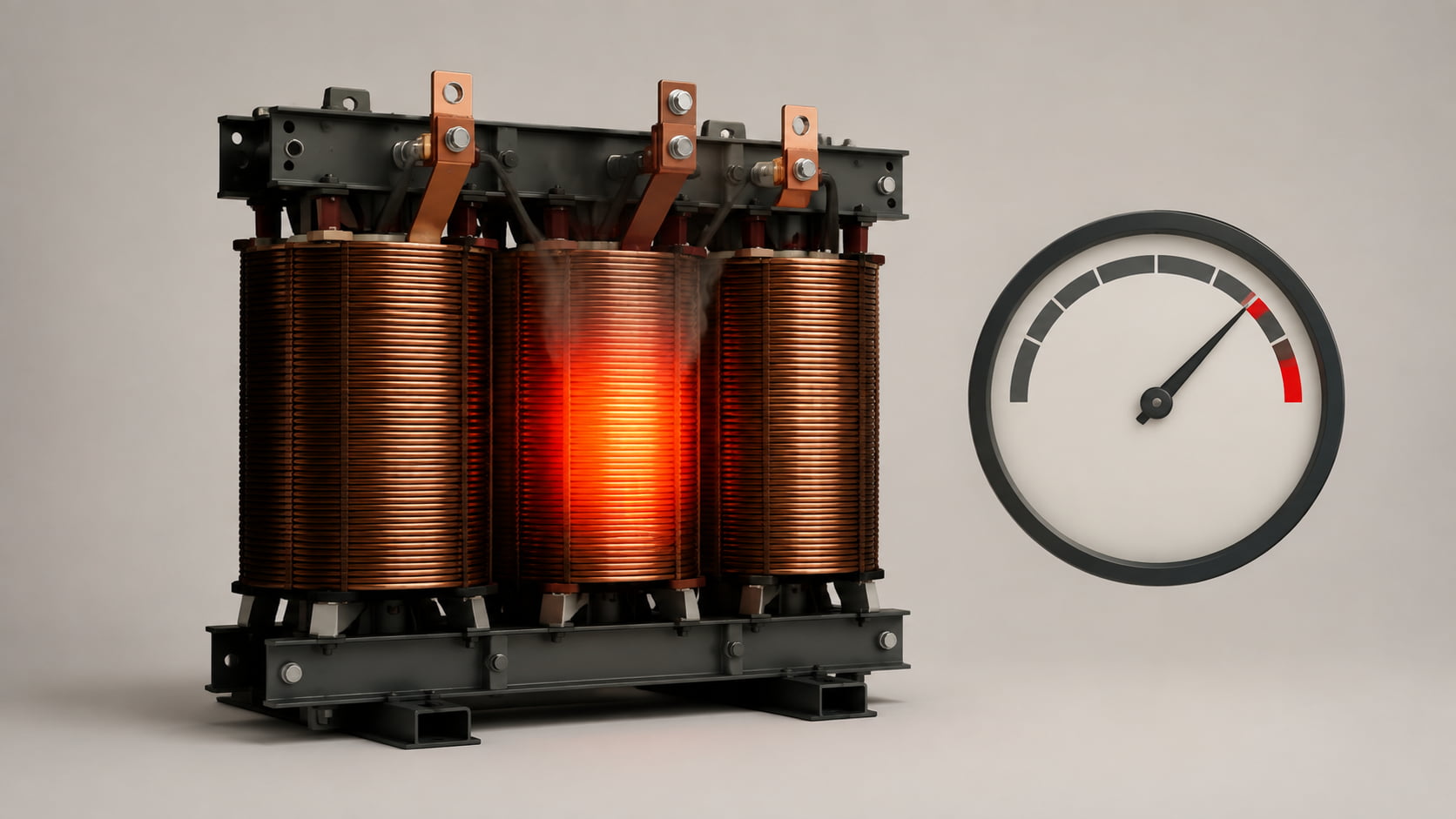
Transformer Overheating Explained: Why It Happens Below Rated Load A transformer can run unusually hot even when the connected load appears safely below its nameplate rating. Current may seem acceptable while winding or enclosure temperatures continue rising. This often happens because loading is assessed only in kilowatts or average amperes. Harmonics, imbalance, poor power factor and inad...
Active Harmonic Filter: Extend Transformer Life A 480 V transformer that runs within nameplate kVA can develop abnormal temperature rise when VFDs, UPS rectifiers, and switched-mode loads inject high harmonic current into its secondary bus. The transformer does not see only useful fundamental current; it carries distorted current through its windings, terminations, and neutral conduc...


 English
 français
 Deutsch
 español
 العربية
 中文
中文



 IPv6 network supported