
 English
 français
 Deutsch
 español
 العربية
 中文
中文

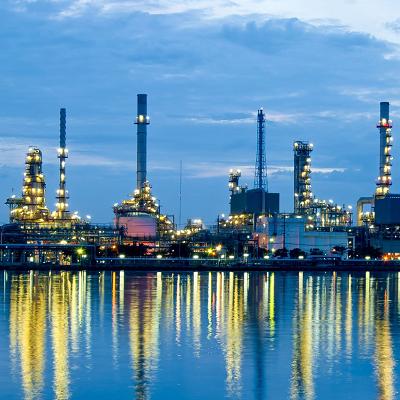
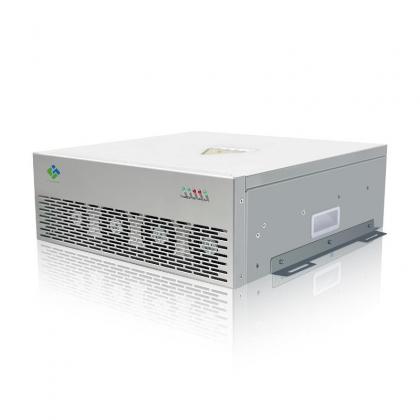
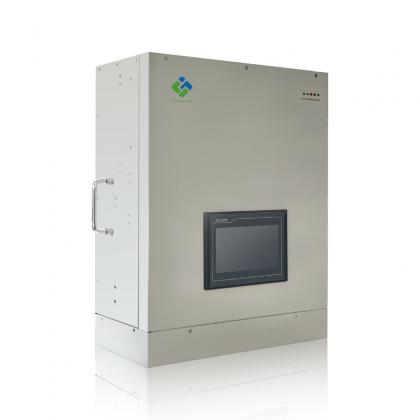
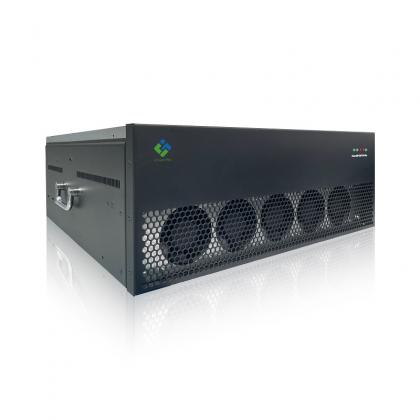
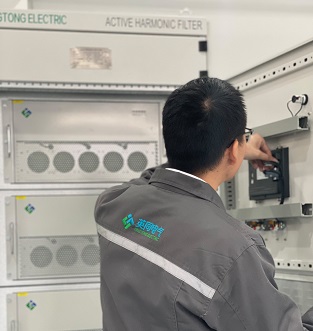
YTPQC-AHF Active Harmonic Filter in Chemical Fiber YTPQC-AHF Active Harmonic Filter reduced harmonic levels results in improved electrical network reliability and reduced operating costs. Nuisance tripping of protective devices and nuisance clearing of fuses due to harmonic heating effects is greatly reduced.Overheating of motors, transformers, switch-gear and cables is also reduced which increases their life expectancy and reduces maintenance costs. For new installations, over-sizing of distribution equipment to reduce harmonic susceptibility can be reconsidered. The Background The main loads used in the chemical industry are motors. With the maturity of science and technology and more and more development towards energy saving and intelligent direction, a large number of energy saving and a large number of inverter leads to a large number of 3 / 5 / 7 / 11 (2n + 1) sub harmonics. The PQ Problem Jiangsu hengke new material co., LTD. is located in Nantong TongZhou Binjiang district (WuJie Town) HengLi textile new material industrial park, park with a total investment of 20 billion yuan, stage construction annual output of 2.4 million tons of differentiated, functional new fiber and intelligent, super simulation function polyester new materials, science, industry, trade integrated industrial base, high-tech textile materials. The harmonic source is mainly 6-pulse frequency converter at site, and the main harmonics are 5th or 7th harmonics. The Solution YTPQC-AHF The harmonic source is mainly 6-pulse frequency converter at site, and the main harmonics are 5th or 7th harmonics. According to the load situation, 2 sets 450A active harmonic flter panels and 4 sets 375A Active Harmonic Filter panels are configured for harmonic control. The Technical Performance Take a 375A AHF panels for example, THDi is 50% before AHF, and the THDi reduced to 5% after AHF installation. The compensation effect is good, which completely solves the reactive and harmonic problems in the field. The Photos Click here to view more applications.
View More
The Industry A large number of automation equipment in commercial complex automation systems requires high quality power supply.However, a considerable part of these devices have become the harmonic distortion disturbance source of the low-voltage power supply system due to their nonlinear load characteristics.Cause distribution system pollution, harm to the surrounding communication system and even the distribution system. The background Commercial complex harmonic mainly has the following two sources: The harmonic sources formed by a large number of nonlinear loads, such as elevator / escalator, water supply system pump and air conditioning fan inverter, office and computer network, UPS power supply, electronic lighting, cause voltage and current distortion of distribution system; accounting for more than 80% of the total harmonics. Background harmonic, the public power grid itself has a certain harmonic content, transmitted from the power grid side to the distribution system. The Problem The load in the commercial complex system mainly includes lighting, elevator, central air conditioning, etc., among which the single-phase load equipment such as lighting mainly produces 3 harmonics, while the elevator and central air conditioning load driven by frequency converter mainly produces 5,7,11 and 13 harmonics.For the harmonic situation of commercial complex system, the best solution is to adopt active filtering technology.The active filter device adopts advanced power electronics technology to detect the harmonics in the grid in real time, generate the reverse phase compensation current through the converter, and dynamically filter out the harmonics in the grid. The Solution The main load of Shanghai National Exhibition Center is elevator / escalator, water supply system pump and air conditioning fan inverter, office and computer network, UPS power supply, electronic lighting, etc., which produces a large number of harmonics in the process of use. According to the site situation, we configure 400A active filter cabinet, and the following is the on-site governance effect.After the YTPQC-APF active power filter device treatment, the current waveform is well improved, and the harmonic current distortion rate is reduced from 34.7% to 1.5%. The Performance The Picture Click here to view more applications.
View More
Active Harmonic Filter in Metro, Railway By the end of 2020, China had a total of 146,000 kilometers of railways in operation and 37,900 kilometers in operation, ranking first in the world.High-speed rail traction transformer generally adopts 12 or 24 pulse rectification, will produce 11th and 13th order harmonics; distribution transformer load mainly includes frequency converter, UPS, elevator, lighting, 3rd,5th,7th,11th and 13th order harmonics. The Industry Because the transportation power grid system contains a large number of non-linear equipment, the equipment will produce a large number of harmonics. When the harmonic content of the power grid is high, it will cause certain harm to the transportation power and lighting system. The relay protection equipment and automatic device in the power system mistakenly move or refuses, which directly endangers the safe operation of the power grid, and causes serious system collapse and user power failure accident. All kinds of electrical equipment will produce additional loss and heating, and will increase the vibration and noise of the motor and transformer. The harmonic current will interfere with the communication system and reduce the transmission quality of the signal. Increase the possibility of resonance in the power grid, causing over-current or over-voltage causing danger. The capacitor reactive power compensation device produces harmonic amplification, making the capacitor damage or even explode. The PQ Problem Transportation power distribution system is mainly 3rd, 5th, 7th, 11th, 13th order harmonics, which has great harm to the power system, and needs to use active power filter for governance.The active filter device adopts advanced power electronics technology to detect the harmonics in the grid in real time, generate the reverse phase compensation current through the converter, and dynamically filter out the harmonics in the grid. The Solution YTPQC-AHF Due to the large harmonics on the Shanghai subway line, in order to ensure the normal operation of the capacitor in the on-site reactive power compensation cabinet, a 100A active harmonic filter is installed on the site to control the harmonics.After treatment, the field harmonic problem has been well improved, and the current distortion rate is reduced from about 16% to about 3%. The Technical Performance The Picture Click here to view more applications.
View More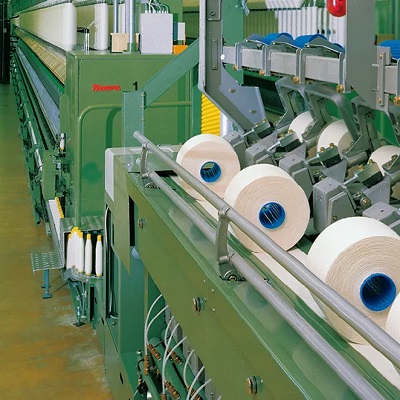
YTPQC-APF in Textile industry YTPQC-APF, Active Power Filter reduced harmonic levels results in improved electrical network reliability and reduced operating costs. Nuisance tripping of protective devices and nuisance clearing of fuses due to harmonic heating effects is greatly reduced.Overheating of motors, transformers, switch-gear and cables is also reduced which increases their life expectancy and reduces maintenance costs. For new installations, over-sizing of distribution equipment to reduce harmonic susceptibility can be reconsidered. The Background With the development of social economy and science technology, many textile printing and dyeing enterprises in order to improve the product quality of transformation technology, large use of VFDs, DC equipment, including ventilation equipment (including frequency conversion fan and air conditioning), lighting equipment, production equipment (yarn, fine sand, grasp cotton, shaping machine, dyeing cylinder, etc.), produce a large number of 5th,7th order harmonic, cause harmonic, harmonic pollution, lead to power quality decline. The PQ Problem A company is specialized in the production of non-woven fabric manufacturer, producing a variety of short fiber non-woven cloth, varieties of melt-blown non-woven cloth, synthetic leather non-woven cloth, acupuncture non-woven cloth, propylene non-woven cloth, water absorption pad, filter non-woven cloth, antibacterial cotton, automotive interior materials, oil absorption mat and other non-woven products. The Solution YTPQC-APF The site load mainly includes carding machine, needle acupuncture machine, non-woven oven, coil machine, etc., which will produce a large number of harmonics in the production process, resulting in the field capacitance compensation cabinet can not work normally.In order to ensure the normal operation of the field capacitors cabinet, the 300A active power filter cabinet is installed on site for harmonic mitigation. The Technical Performance The THDV at site is 5.9%, exceeding the national standard limit of 5%, the THDi is 23.5%, the harmonic current is mainly 3rd, 5th, 7th order harmonics, and also contains a small number of 2nd and 4th even harmonics. After treatment, THDv decreased to 2.2%, the THDi decreased to 2.0%, and the current waveform was also restored to the sinusoidal wave type. Current THD before YTPQC-APF Current THD after YTPQC-APF Current waveform before YTPQC-APF Current waveform after YTPQC-APF The Photos Click here to view more applications.
View More
In modern power systems, the increasing use of power electronic devices like variable frequency drives (VFDs), arc furnaces, and switched-mode power supplies has led to rising levels of harmonic distortion. These harmonics can severely impact system operation, causing overheating, tripping of circuit breakers, and reduced energy efficiency. At YT Electric , we faced these challenges head-on by implementing Active Harmonic Filters (AHF) to ensure compliance with IEEE 519 standards and improve overall power quality. This case study explores how AHFs helped us reduce harmonic distortion levels, enhance power distribution, and achieve significant energy savings. The Problem: Our facility, which relies heavily on non-linear loads such as arc furnaces and power supplies, experienced: High Total Harmonic Distortion (THD): Exceeding IEEE 519 limits, leading to voltage uncertainty. Frequent Tripping of Circuit Breakers: Causing unplanned downtime and disrupting system operation. Overheating of Components: Transformers, cables, and other electrical systems were overheating due to harmonic currents. Poor Power Factor: Low power factor resulted in penalties from the utility provider. Reactive Power Issues: Inefficient power distribution and increased energy costs. We needed a solution to mitigate harmonics and improve power quality without compromising system reliability. Why Active Harmonic Filters (AHF)? After evaluating various harmonic compensation methods, we chose AHFs for their: Dynamic Harmonic Compensation: AHFs detect and cancel out harmonics in real-time, ensuring clean power. Wide Frequency Range: They address harmonics from the 2nd to the 50th order, covering a broad spectrum. Power Factor Correction: AHFs improve power factor, reducing reactive power and energy costs. Compliance with IEEE 519: AHFs help maintain harmonic distortion levels within permissible limits. Implementation: Power Quality Analysis: We conducted a detailed assessment of our electrical systems to identify harmonic sources and measure THD. System Design: Following the analysis, we strategically installed AHF units at key points within the power distribution network to target harmonic sources effectively. Integration: The AHFs were smoothly incorporated into our existing infrastructure, ensuring minimal disruption to ongoing system operations. Testing and Calibration: We fine-tuned the AHFs to ensure optimal performance and compliance with IEEE 519 standards. Results: The implementation of AHFs delivered remarkable results: Reduced Harmonic Distortion: THD levels dropped to within IEEE 519 limits, ensuring stable system operation. Improved Power Factor: Achieved near-unity power factor, eliminating penalties and reducing energy costs. Enhanced Energy Effi...
View More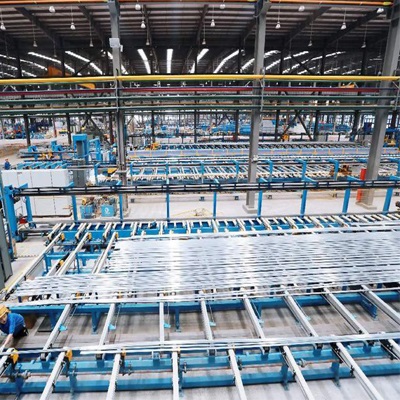
There are a number of electrical devices that have nonlinear operating characteristics i.e even when applied voltage is sinusoidal in nature, the current drawn by the device is non-sinusoidal in nature. These nonlinear devices used in power distribution circuits create nonlinear currents and which subsequently causes voltage distortions. These nonlinear currents and voltages have been generally referred to as harmonic currents and voltages. The proliferation of electronic switching devices in modern equipment has resulted in a significant increase in the amount of harmonic pollution in the electrical distribution systems. These harmonics if disregarded or undetected may cause harmonic resonant conditions, which could present system operating problems resulting in complaints from customers and reduced life of power equipment as well as degraded efficiency and performance. Harmonic currents and voltages can cause many unfavourable effects on the power system itself and the connected loads. Malfunctioning of electronic equipment, capacitor failure, transformer and neutral conductor over overheating, excessive heating in rotating machinery are some of these effects. The Background Zhenjiang Naisi New Material Co., Ltd. is mainly engaged in the production and sales of new ultra-hard composite wear-resistant cutting wires, photovoltaic wire cutting wheel recycling coating process processing, production of steel cords, technical services and testing services for the above products, self-operated and acting for the import and export business of various commodities and technologies (except for commodities and technologies that are restricted by the state or prohibited from import and export), sales of silicon materials. The PQ Problem Due to the Harmonic Voltage and Harmonics Current in the old factory building of the customer, the capacitors are often damaged, so the need for harmonic mitigation is generated. The YT Solution In view of the high current distortion rate (High THDi)and voltage distortion rate(THDv) in the field, installing an Active Harmonic Filter at the low-voltage side can reduce Current Harmonics (THDi) and Voltage Harmonics accordingly. The Performance There are some harmonic problems in Building 3 of Shanghai Tongren Hospital. In order to avoid the impact of harmonics on the normal work of the hospital, a Active Harmonic Filter is installed to control the harmonics.After AHF installation, the field harmonic problem has been well improved, and the current distortion rate is reduced from about 30% to about 1.5%. The harmonics include the 3rd, 5th, and 7th harmonics, and the 5th harmonic is the most serious. After the Active Harmonic Filter is installed, the waveforms are close to standard sine waves, and after compensation, the harmonic current content is significantly reduced, achieving a perfect compensation effect. The Picture Click here to view more applications.
View More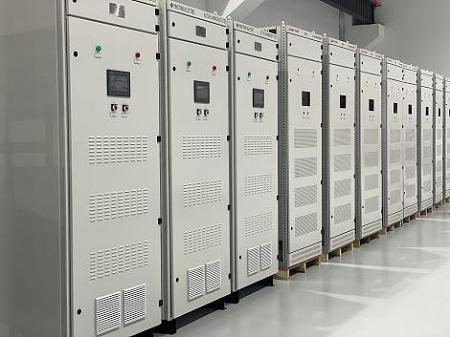
In today’s world, where industries rely heavily on electronic equipment and non-linear loads, maintaining power quality has become a critical concern. Poor power quality can lead to inefficiencies, equipment damage, and increased operational costs. One of the most effective solutions to address power quality issues, particularly harmonic distortion, is the use of Active Harmonic Filters (AHFs). In this blog, we’ll explore what an Active Harmonic Filter is, how it works, its benefits, and why it’s an essential component of modern power quality solutions. Understanding Harmonics and How They Affect Things Understanding what harmonics are and why they are troublesome is crucial before delving into Active Harmonic Filters. Electrical waveform distortions known as harmonics are turned on by non-linear loads like computers, LED lights, variable frequency drives (VFDs), and other electronic equipment. These loads produce harmonic frequencies that are multiples of the basic power frequency (50 Hz or 60 Hz) by drawing current in brief pulses as opposed to a smooth sinusoidal wave. Harmonics can cause several issues, including: Overheating of equipment: Harmonics increase the RMS current, leading to excessive heat in transformers, motors, and cables. Voltage distortion: Harmonics can distort the voltage waveform, affecting the performance of sensitive equipment. Power losses: Increased harmonic currents result in higher energy losses and reduced system efficiency. Nuisance tripping: Harmonics can cause circuit breakers and protective devices to trip unnecessarily. Interference: Harmonics can interfere with communication systems and other electronic devices. To mitigate these issues, harmonic filters are used. Among the various types of filters available, Active Harmonic Filters are considered one of the most advanced and effective solutions. What is an Active Harmonic Filter? An Active Harmonic Filter (AHF) is an electronic device designed to mitigate harmonic distortion in electrical systems. Unlike passive filters, which use passive components like capacitors and inductors to block or absorb harmonics, AHFs use power electronics to actively inject counter-harmonic currents into the system. This cancels out the harmonic currents generated by non-linear loads, resulting in a cleaner and more stable power supply. How Does an Active Harmonic Filter Work? The operation of an Active Harmonic Filter can be broken down into the following steps: Monitoring the Load Current: The AHF continuously monitors the load current using sensors. It analyzes the waveform to detect harmonic frequencies. Harmonic Detection: Using advanced algorithms and digital signal processing (DSP), the AHF identifies the harmonic components present in the load current. Generating Counter-Harmonics: The AHF generates harmonic currents that are equal in magnitude but opposite in phase to the detected harmonics. Injecting Counter-Har...
View More


 IPv6 network supported