
 English
 français
 Deutsch
 español
 العربية
 中文
中文


In today’s fast-paced industrial landscape, maintaining a stable and efficient power supply is critical. Power quality issues like voltage fluctuations, harmonic distortions, and reactive power imbalances can lead to equipment damage, production downtime, and increased energy costs. SVGs play a critical role in industries that depend on high-quality, harmonic-free power. . SVGs are advanced power electronics devices. They help improve power quality and ensure smooth operation in industrial power systems. In this article, we’ll explore the How Static Var Generators Improve Industrial Power Quality in industrial settings. 1. Improved Power Quality One of the primary benefits of SVGs is their ability to enhance power quality. Industrial facilities often deal with problems like voltage sags, swells, and harmonic distortions. These issues can disrupt operations and harm sensitive equipment.SVGs Automatically compensate for reactive power and stabilize voltage levels, ensuring a consistent and clean power supply. By maintaining optimal power quality, SVGs help prevent equipment failures and reduce the risk of production downtime. 2. Enhanced Energy Efficiency Energy efficiency is a top priority for industrial facilities looking to reduce operational costs and meet Eco-friendliness goals. SVGs play a crucial role in improving energy efficiency by reducing reactive power losses.Traditional power systems often generate excess reactive power, which wastes energy and increases electricity bills. SVGs actively manage reactive power and ensure that they supply only the necessary amount. This not only lowers energy use but also cuts carbon emissions. This makes SVGs a green choice for industrial power systems. 3. Increased Equipment Lifespan Industrial machinery and equipment are significant investments, and their longevity depends on the quality of power they receive. Poor power quality can cause overheating, wear and tear, and premature failure of equipment. By stabilizing voltage and reducing harmonic distortions, SVGs protect equipment from damage and extend its lifespan. This translates to lower maintenance costs and fewer replacements, saving industrial facilities time and money in the long run. 4. Better Grid Stability For industries connected to the power grid, maintaining grid stability is essential. Fluctuations in reactive power can lead to grid instability, causing blackouts or brownouts that disrupt operations.SVGs provide fast and accurate reactive power compensation, helping to balance the grid and prevent instability. This is especially important for industries that need a lot of power. This includes manufacturing plants, data centers, and renewable energy facilities. With SVGs, industrial facilities can ensure a reliable power supply and avoid costly disruptions. 5. Support for Renewable Energy Integration As the world shifts towards more sustainable energy sources, integrating renewable energy into th...
View More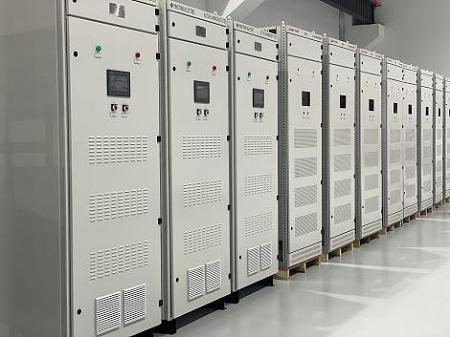
In today’s world, where industries rely heavily on electronic equipment and non-linear loads, maintaining power quality has become a critical concern. Poor power quality can lead to inefficiencies, equipment damage, and increased operational costs. One of the most effective solutions to address power quality issues, particularly harmonic distortion, is the use of Active Harmonic Filters (AHFs). In this blog, we’ll explore what an Active Harmonic Filter is, how it works, its benefits, and why it’s an essential component of modern power quality solutions. Understanding Harmonics and How They Affect Things Understanding what harmonics are and why they are troublesome is crucial before delving into Active Harmonic Filters. Electrical waveform distortions known as harmonics are turned on by non-linear loads like computers, LED lights, variable frequency drives (VFDs), and other electronic equipment. These loads produce harmonic frequencies that are multiples of the basic power frequency (50 Hz or 60 Hz) by drawing current in brief pulses as opposed to a smooth sinusoidal wave. Harmonics can cause several issues, including: Overheating of equipment: Harmonics increase the RMS current, leading to excessive heat in transformers, motors, and cables. Voltage distortion: Harmonics can distort the voltage waveform, affecting the performance of sensitive equipment. Power losses: Increased harmonic currents result in higher energy losses and reduced system efficiency. Nuisance tripping: Harmonics can cause circuit breakers and protective devices to trip unnecessarily. Interference: Harmonics can interfere with communication systems and other electronic devices. To mitigate these issues, harmonic filters are used. Among the various types of filters available, Active Harmonic Filters are considered one of the most advanced and effective solutions. What is an Active Harmonic Filter? An Active Harmonic Filter (AHF) is an electronic device designed to mitigate harmonic distortion in electrical systems. Unlike passive filters, which use passive components like capacitors and inductors to block or absorb harmonics, AHFs use power electronics to actively inject counter-harmonic currents into the system. This cancels out the harmonic currents generated by non-linear loads, resulting in a cleaner and more stable power supply. How Does an Active Harmonic Filter Work? The operation of an Active Harmonic Filter can be broken down into the following steps: Monitoring the Load Current: The AHF continuously monitors the load current using sensors. It analyzes the waveform to detect harmonic frequencies. Harmonic Detection: Using advanced algorithms and digital signal processing (DSP), the AHF identifies the harmonic components present in the load current. Generating Counter-Harmonics: The AHF generates harmonic currents that are equal in magnitude but opposite in phase to the detected harmonics. Injecting Counter-Har...
View More


 IPv6 network supported